INTRODUCTION
Emollients play a key role as essential ingredients for formulators. Widely embraced in the cosmetic realm for their multifaceted properties, these versatile ingredients, typically make up concentrations ranging from 5% to 30% in oil-in-water emulsions (O/W), and can even surpass these levels in water-in-oil emulsions (W/O) or anhydrous products. Consequently, emollients emerge as the second most significant ingredient category in formulations, following water (1).
Emollients are a nutritive essence for the skin, forming a protective layer that not only shields the skin from external environmental aggressors but also prevents trans epidermal water loss (TEWL). This prevention is a fundamental mechanism for sustaining the epidermis, disrupting the cycle of dry skin and preserving the skin’s smoothness (2).
Their capabilities extend beyond these aspects. Indeed, emollients deliver a multitude of benefits, serving as a solubilizer for UV filters in sun care applications and as a dispersing agent for pigments in color cosmetics. Lastly, they possess the skill to infuse cosmetic formulations with endless and distinctive sensory experiences.
All these attributes arise from the inherent nature, chemical structure, and technical parameters unique to each emollient. As a pioneering entity in the industry, ROELMI HPC specializes in advancing novel natural cosmetic esters through upcycling processes and employing a green chemistry approach.
With a deep focus on formulators’ needs and the creation of finished products that are perfectly balanced in terms of performance and sensorial appeal, ROELMI HPC has developed a series of analyses capable of providing clear and effective insights into the features associated with each emollient in its portfolio. This study extends to products with similar properties outside the portfolio, offering a comprehensive view of the results, ensuring a thorough understanding of the performance and sensory aspects.
MATERIALS AND METHODS
The analysis includes the following five emollients that are readily biodegradable according to OECD 301B test: two have the same INCI name due to the same origin: Triolein, Glyceryl Dioleate; Tripelargonin; Neopentyl Glycol Dipelargonate and Ethylhexyl Pelargonate. The first two emollients (Triolein, Glyceryl Dioleate) are obtained by upcycled process from non-edible Mediterranean olive oil fractions and for both, the natural origin index (NOI) is 1, according to ISO 16128. Their chemical structure is very similar to the olive oil, where, thanks to a low impact process, has been possible to modelling that composition in order to avoid the unwelcome presence of free fatty acids and the unsaponifiable part, in favour of Triglycerides and Diglycerides. Indeed, free fatty acids and the unsaponifiable part are more subjected to oxidation and rancidity phenomena, with the collateral effects as instability and an unpleasant smell.
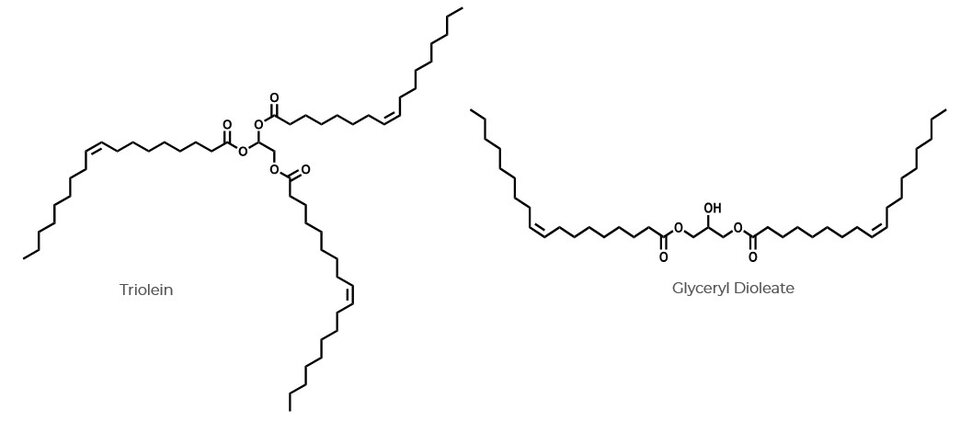
Figure 1. Chemical structure of Triolein, Glyceryl Dioleate esters.
Tripelargonin (C8-12 Acid Trygliceride as ww Inci name) is a clear liquid obtained by a green chemistry of renewable European sources 100% of naturality according to ISO 16128.
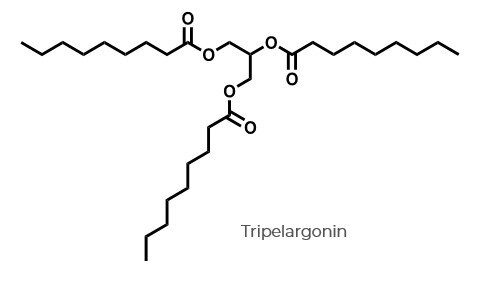
Figure 2. Chemical structure of Tripelargonin ester.
From the same green process, Neopentyl Glycol Dipelargonate (Neopentyl Glycol Dicaprylate/Dicaprate as ww INCI) has been synthesized, which has the utmost velvety touch compared to the other emollients of ROELMI HPC portfolio. Due to the synthetic presence of Neopentyl Glycol into its composition, the NOI is 0.82 (ISO 16128).

Figure 3. Chemical structure of Neopentyl Glycol Dipelargonate ester.
The last analysed emollient is Ethylhexyl Pelargonate, a peculiar oil obtained by sunflower plantations with a green chemistry approach; it is a colourless liquid, dry and evanescent. It is the perfect alternative to silicones, due to the similar sensoriality and characteristics. It is obtained by the esterification of Pelargonic Acid with synthetic 2-Ethylhexanol (NOI = 0.6 – ISO 16128).
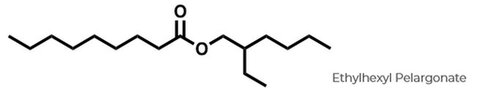
To delineate a scientific and technical dossier, the emollients underwent meticulous analysis employing specific methodologies. The dossier was structured into distinct categories, commencing with the delineation of chemical and physical properties.
Polarity Study
Among the scrutinized chemical attributes, polarity emerged as a pivotal factor, indicative of an emollient’s affinity with water. The polarity of an oil component can profoundly influence various aspects of the final product in terms of viscosity, texture, sensorial properties, and formula stability. Notably, polarity exerts a significant impact on the stability of both oil-in-water and water-in-oil emulsions. It is widely acknowledged that achieving stability in emulsions is more attainable with non-polar emollients. Consequently, as the polarity of the oil phase escalates, the emulsification process becomes progressively challenging.
Highly polar oils can precipitate Ostwald ripening, a phenomenon associated with the molecular diffusion of oil molecules across the aqueous phase, migrating from smaller oil droplets toward thermodynamically favored larger ones (in the case of oil-in-water emulsions). This progression ultimately culminates in phase separation. Mitigation of Ostwald ripening can be achieved through the incorporation of oils spanning a spectrum of low to high polarity: this strategy helps to equilibrate the overall polarity, thereby facilitating the stabilization of the emulsion (3).
In this study a High-Performance Liquid Chromatography (HPLC) method for the classification of emollients according to their polarity . Specifically, this method employs an HPLC Agilent 1100 equipped with a reverse-phase gradient system. The chromatographic column utilized is a Phenomenex Gemini C18, known for its apolar characteristics. The mobile phase consists of two components: A, comprising water with 0.1% formic acid, and B, composed of methanol.
Evaluation of residual oil stain
The chemical and physical characteristics collectively contribute to delineating the technical features of emollients, which have been comprehensively analyzed within the dossier. Among these features, the residual oil stain, defined as the capacity of an emollient to spread over a surface, stands out as a significant parameter in formulation. The selection of an appropriate emollient based on residual oil stain is crucial, particularly considering the product type and the specific skin type. For instance, in the formulation of a face cream targeted towards oily skin, the incorporation of an emollient with high residual oil stain is imperative to prevent worsening of the skin condition.
An instrumental method, comprising a porous grid paper and a standardized quantity of emollient applied onto the paper, was employed to quantify the area wetted by the emollient at two distinct time intervals (T0, time zero; T5, after 5 minutes). Subsequently, a scale ranging was constructed based on the observed outcomes.
Evaluation of the ability to dissolve UV filters
Emollients, owing to their inherent technical characteristics, play a crucial role in ensuring the efficacy of final products, such as the capacity to solubilize UV filters in sun care applications and the ability to disperse pigments in color cosmetics.
To evaluate the compatibility of UV filters in sun care applications, an investigation into the solubility of UV filters was conducted. This assessment took into account various regulatory frameworks worldwide, including the EU Legislation, FDA regulations, and those of China. An average allowable amount of 5% was determined based on these regulations. The UV filters assessed included Benzophenone-3, Butyl Methoxydibenzoylmethane, Ethylhexyl Methoxycinnamate, Ethylhexyl Salicylate, and Homosalate. The solubilization of UV filters in emollients was evaluated, revealing compatibility between each emollient and the analyzed UV filters.
Specifically, the solubilizing activity of emollients was tested with solid UV filters, Benzophenone-3 and Butyl Methoxydibenzoylmethane, in comparison with the benchmark C12-15 Alkyl Benzoate, a commonly used synthetic ester in the suncare market. The aim was to determine the saturation point and evaluate the maximum amount of UV filters solubilized in emollients.
Evaluation of wettability
As previously mentioned, emollients are essential components in skincare and color cosmetics by imparting sensory qualities and glossy effect. Achieving optimal synergy between emollients and pigments relies on a specific attribute known aswettability. This refers to an emollient’s capacity to thoroughly wet colored pigments, leading to the flow point, wherein powdered pigments transition into a fluid colored dispersion.
To evaluate the emollients’wettability, various pigments including Iron oxides, lakes, and Titanium Dioxide were utilized, with a comparison against the benchmark Castor Oil.
Evaluation of skin microbiota-friendliness
There is a long felt need for skin microbiota-friendly ingredients. This characteristic is commonly linked with active ingredients, where the effect of a particular ingredient percentage on skin microbiota is scrutinized. Emollients, being versatile ingredients devoid of a recommended dosage, vary in their usage from 0.1% to 100%, contingent upon numerous factors. Given the extensive range of applications, it is essential to evaluate their impact on skin microbiota.
Employing the agar well diffusion method in accordance with the EUCAST technique (4), the impact of emollients on skin microbiota was analyzed. Two representative skin bacteria, S. Aureus and S. Epidermidis, were chosen. These bacteria were inoculated directly into Petri plates immersed in soft agar gel, ensuring complete contact with the emollients. Distilled water served as CTRL+ (positive control), while the preservative system comprised of Caprylyl Glycol, Ethylhexylglycerin, and o-Cymen-5-ol served as CTRL- (negative control).
Definition of sensorial profile
Finally the sensorial profile, wherein emollients play a key role in imparting unique sensory after feel to formulations was evaluated. In accordance with this premise, a panel test involving 20 volunteers was conducted to analyze various sensorial parameters in cosmetic finished products: playtime (the time to spread and play with the cream on the skin), absorption rate (the time for the cream to be absorbed by the skin), stickiness (the sticky and grasy touch of the cream), silkiness (the velvet touch of the cream), and richness (the nourishing effect provided by the cream). These parameters were assessed using a scoring system ranging from 1 (low) to 5 (high).
Results and discussion
Polarity study
HPLC analysis is employed to determine the retention times of individual emollients, denoting the duration required for each emollient to elute from the chromatographic column, contingent upon its respective affinity or polarity. Indeed, the retention time correlates with the emollient’s affinity with the apolar stationary phase. Consequently, emollients with higher apolarity exhibit prolonged retention times due to their heightened affinity with the column, whereas those with greater polarity manifest shorter retention times owing to their diminished affinity with the column. These findings facilitate the determination of emollient polarity, constituting not merely a behavioral trend but possessing specific scientific significance.
Ethylhexyl Pelargonate and Neopentyl Glycol Dipelargonate exhibit a medium-to-high polarity, whereas Tripelargonin and Triolein, Glyceryl Dioleate demonstrate a medium-to-low polarity (Fig.5).
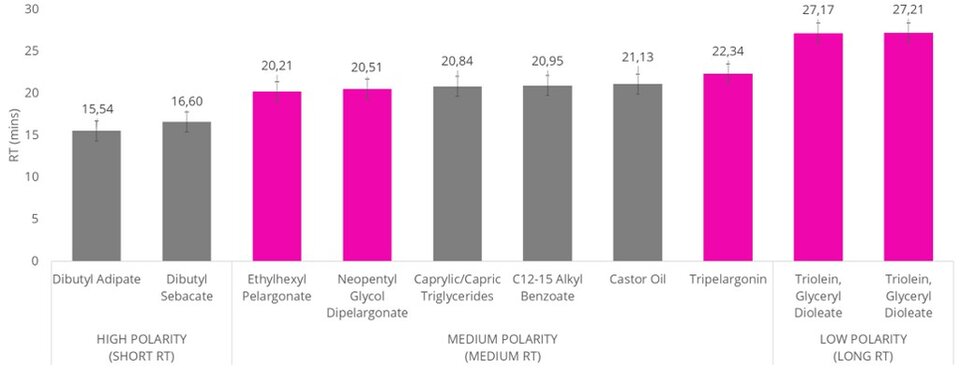
Figure 5. Emollients polarity scale according to Retention Times.
Evaluation of residual oil stain
Triolein, Glyceryl Dioleate, and Tripelargonin exhibit a medium residual oil stain capacity, albeit with varying values. Notably, Tripelargonin demonstrates similarity to Caprylic/Capric Triglycerides in terms of residual oil stain. Conversely, Ethylhexyl Pelargonate showcases a high residual oil stain capacity, closely resembling that of Cyclopentasiloxane, thereby emerging as an alternative(Fig.6).
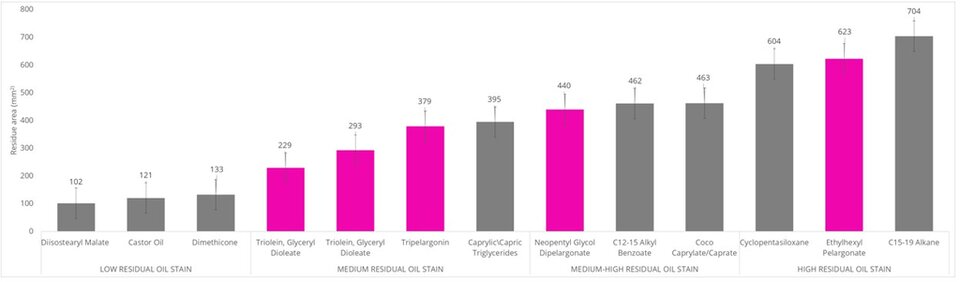
Figure 6. Emollients residual oil stain scale according to the measured wetted area.
Evaluation of the ability to dissolve UV filters
Tripelargonin and Neopentyl Glycol Dipelargonate emerged as the most effective UV filter solubilizers. Tripelargonin exhibited superior solubilization of Benzophenone-3, matching the activity of the benchmark, whereas Neopentyl Glycol Dipelargonate demonstrated good efficacy, particularly with Butyl Methoxydibenzoylmethane. These emollients offer an environmentally friendly alternative with exceptional performance and unique sensory attributes, imparting a dry and velvety sensation (see Fig.7).
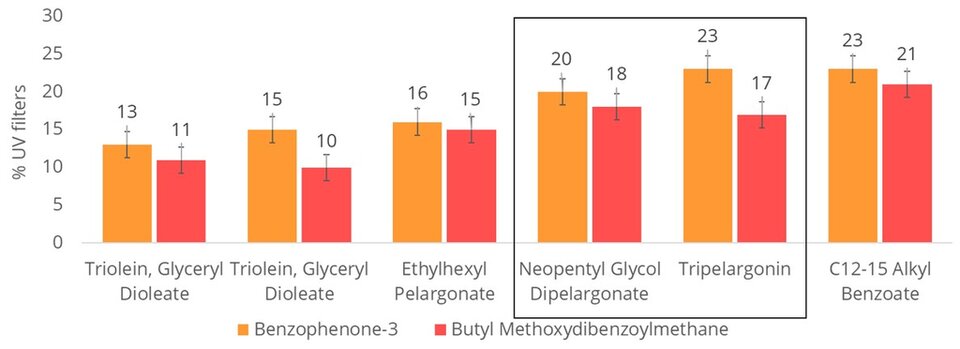
Figure 7. Organic UV filters solubility in emollients.
Evaluation of wettability
Triolein and Glyceryl Dioleate emerged as the superior choices for wetting pigments, resulting in a glossy finish. Furthermore, it was determined that Tripelargonin exhibited equivalent wetting performance to Castor Oil, albeit imparting a distinctly different sensory experience characterized by a matte effect (refer to Fig. 8).
Based on the results, Triolein, Glyceryl Dioleate turns out to be the best one to wet pigments providing a glossy finish; in addition, it was possible define that Tripelargonin has the same performance of Castor Oil providing a completely different sensoriality conferring a matte effect (Fig. 8).
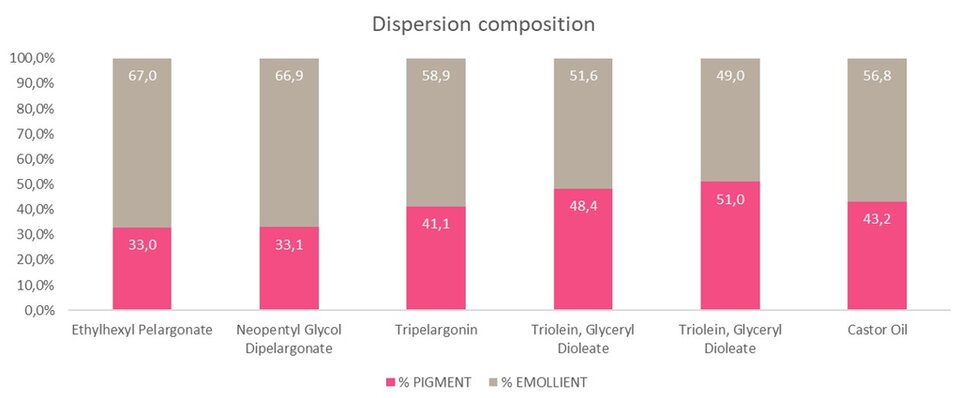
Figure 8. Dispersion composition made by pigment and emollient.
Evaluation of skin microbiota-friendliness
Observations revealed the absence of inhibition halos in all emollient inoculations, indicating that none of the emollients were detrimental to the selected skin bacteria. This underscores their microbiota-friendly benefit towards prevalent strains on the skin such as S. Aureus and S.Epidermis (refer to Fig. 9).
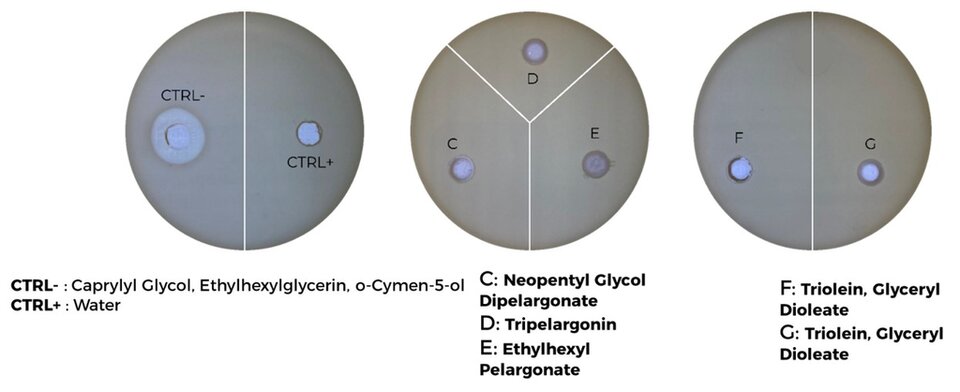
Figure 9. Emollients impact on skin microbiota using Petri plates.
Definition of sensorial profile
Triolein and Glyceryl Dioleate were identified as rich and nourishing emollients, yielding a glossy finish effect. Tripelargonin exhibited characteristics of a dry emollient with fast absorption. Neopentyl Glycol Dipelargonate was noted for its velvety texture attributed to high silkiness, while Ethylhexyl Pelargonate was recognized as an evanescent emollient with long playtime, a crucial feature distinguishing it beyond mere silicone replacements.
In formulation, the key principle lies in employing diverse emollients to craft a tailored sensorial experience. To achieve this “sensory cascade”, five fundamental considerations are essential: performance, where understanding the optimal emollients with solubilizing or wetting capabilities is crucial for products targeting sun care or makeup applications; texture, where emollient selection varies based on the desired light or rich texture of the formulation, necessitating highly absorbing or nourishing emollients respectively; coverage area, where formulations for body creams require emollients with high spreadability, while those for face creams demand consideration of skin type; products targeting oily skin benefit from emollients with high absorption, whereas those for dry skin necessitate rich and nourishing alternatives. Following these considerations, it is capital to mix the emollients at the appropriate proportions to achieve the perfect formula.
CONCLUSIONS
Starting with a comprehensive market analysis to discern emerging trends and evolving cosmetic requirements, a critical examination of emollients was conducted to furnish formulators with a technical roadmap grounded in empirical and scientific evidence. This endeavor is indispensable for the selection of optimal ingredients to create the personalized sensorial cascade by synergizing emollients with different characteristics and texture.
References and notes
- C. Chao, C. Génot, C. Rodriguez, H. Magniez, S. Lacourt, A. Fievez, C. Len, I. Pezron, D.Luart, E. van Hecke Emollients for cosmetic formulations: Towards relationships between physico-chemical properties and sensory perceptions; January 2018. 1 p.
- M. Lodèn Role of topical emollients and moisturizers in the treatment of dry skin barrier disorders; August 2012. 776 p.
- Anna Howe; November 2014; How to Select Emollients For Stable Emulsions [online]; https://www.happi.com/. Available at: https://www.happi.com/how-to-select-emollients-for-stable-emulsions/
- M. Balouiri, M. Sadiki, S.K. Ibnsouda Methods for in vitro evaluating antimicrobial activity: A review; December 2015. 6 p.
Unleashing Nature’s Potential: The Future of Sustainable Beauty...

Cyclization as a tool for reinvention

Harnessing the biotechnological power of Jasminum sambac: a clinical i...

Cosmetics for me – Personalized products: Opportunities and Limi...
Navigating the Balance – Personalized Skincare and Consumer Perc...

Is Microbiome Certification even Necessary?

Microbiome-friendly – The How and Why of this claim
ISNTREE – Yam Root Vegan Milk Toner