The Microbial Landscape of Human Skin
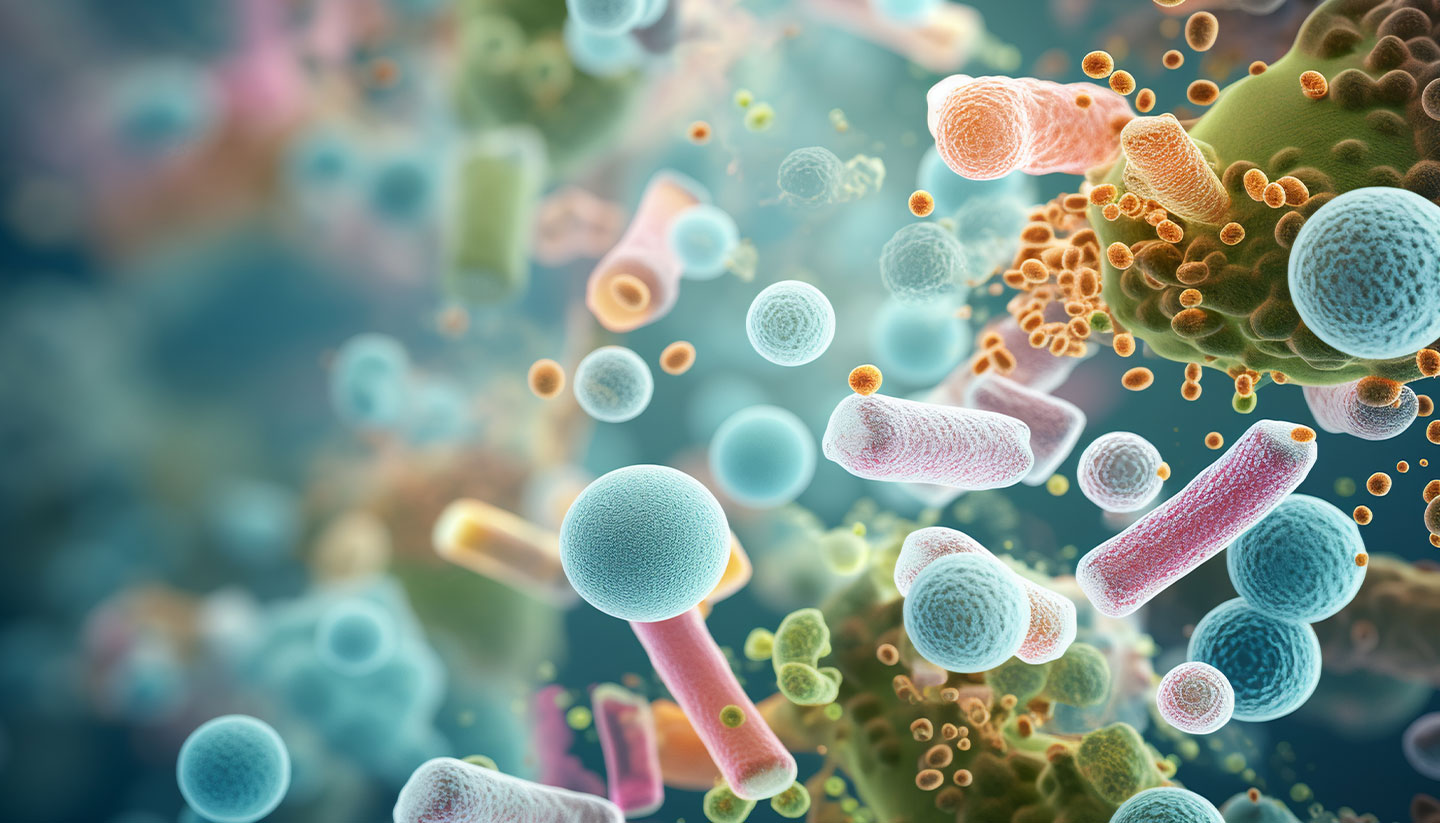
When designing personal care products, the human element and consumer experience is paramount. A personalized and holistic approach is essential in developing new solutions with evolving needs. This review explores the research and evolution of skin microbiome focused personal care products, uniquely highlighting how brands and scientific advancements are redefining what these products can offer consumers.Approaching the human element on the microscopic level, the human body hosts trillions of microorganisms, outnumbering human cells by a ratio of approximately 10 to 1 (1). Despite their small physical footprint, these microorganisms form complex ecosystems and play an indispensable role in human health. They are essential to the functionality of their host and aid in digestion, enhancing brain function, regulating the immune system, and perform other vital roles (2,3).The skin microbiome represents a fascinating and highly specialized living system comprising various microorganisms, including bacteria, fungi, viruses, and archaea (4). It provides a sophisticated layer of protection, offering chemical and biological defenses against environmental damage and pathogen colonization (5). Additionally, the skin microbiome plays a vital role in immune system regulation, offering critical feedback that supports proper immune development (6). The microorganisms within the skin microbiome interact with each other and their host, forming a delicate balance that influences skin health (7).
The microbial distribution across the body is shaped by anatomical sites, with different areas offering varying levels of nutrients, moisture, and environmental exposure. For example, sebaceous regions like the forehead and back foster distinct microbial communities compared to moist areas like the underarms or dry areas like the forearms (8). These communities are also influenced by factors such as gender, age, genetics, and environment, resulting in a unique microbiome profile for every individual.
Advances in technology and research have deepened our understanding of the skin microbiome (9) where the launch of the Human Microbiome Project in 2007 represents a significant milestone. Improvements and development of new DNA sequencing technologies came with a drop in cost and accelerated skin microbiome research (10) evidenced by the increase in publications since around 2010. Importantly, there is now a strong foundation of literature describing the skin microbiome, facilitating development of cosmetics and therapeutics.

Shifting Paradigms in Skin Microorganism Research
Historically, the focus on microorganisms inhabiting the skin was largely negative, centered on the problems and diseases they could cause and less so how to support or leverage it (11). For example, the fungal species Malassezia globosa and Malassezia restricta have been implicated in dandruff, a common scalp condition that affects millions worldwide (12). Similarly, on the face and body, Cutibacterium acnes has been associated—albeit with varying degrees of accuracy (13)—with acne development, a condition that can significantly impact self-esteem and quality of life (14). Staphylococcus aureus has been associated with skin infections and atopic dermatitis (15, 16, 17). Additionally, mixed bacterial species residing in areas like the underarms and feet are known to produce body odor, often considered socially undesirable (18, 19).Considering these concerns, it was logical to develop cosmetic solutions targeting the skin’s microbial inhabitants. The approach to addressing these issues has been to eliminate all microorganisms in the affected areas. However, despite decades of research and the use of active antimicrobial ingredients in countless formulations, consumer satisfaction with these solutions has often fallen short. Deodorants, for example, have shown mixed results in controlling body odor, with some highly effective formulations relying on harsh chemicals that may cause irritation. Similarly, antimicrobial acne treatments often provide inconsistent results, leaving individuals in an ongoing struggle to maintain clear skin.Scientific advancements have deepened our understanding of the complex and multifaceted nature of these problems (10). For instance, rather than simply eradicating all microorganisms, some products are now targeting approaches that restore balance to the skin microbiome. This paradigm shift acknowledges the essential roles these microorganisms play and seeks to harmonize their functions rather than disrupt them entirely. By leveraging cutting-edge research, there is growing potential to develop specialized, microbiome solutions that address skin concerns more effectively while supporting overall skin health.
Among the most popular and consumer recognized strategies are prebiotics, probiotics, and postbiotics (20). These approaches leverage the interplay between microbial communities and the skin to enhance health and appearance. Prebiotics provide nutrients that support beneficial microorganisms, probiotics introduce live beneficial microbes, and postbiotics deliver beneficial byproducts of microbial metabolism. However, despite their potential, many products currently on the market fall short of delivering measurable results. A common misstep involves repurposing pre-, pro-, and postbiotic formulations designed for gut health into topical products, often without sufficient adaptation to the unique requirements of the skin microbiome. This disconnect has limited their efficacy in delivering meaningful skin benefits.
As consumer awareness of the microbiome grows, so too does the demand for scientific rigor and demonstrable efficacy in skincare solutions. Brands are rising to meet these expectations, bringing more sophisticated and effective microbiome targeted products to market. The breadth of possibilities in microbiome research is enormous, with exciting discoveries beginning to reshape the industry. For example, specific species of Staphylococcus have been found to increase production of ceramide—lipid molecules critical for maintaining the skin barrier and preventing moisture loss (21). By formulating products with precursors that encourage ceramide production, skincare companies can amplify this benefit, delivering improvements in skin hydration and resilience.
Precision Skin Microbiome Solutions: Current and Future Potential
Recently, commercial products utilizing precision prebiotics have entered the market. One example is the brand Rulo Skin, which features a prebiotic blend that promotes production of long-chain ceramides on the skin by skin commensals. Precision prebiotics are also being used to selectively support the growth of beneficial microbial species while suppressing those responsible for undesirable effects. Arcaea has developed innovative prebiotics formulations with two distinct applications delivering tangible consumer outcomes. The first modulates armpit microbiomes to shift from an odorous underarm state to a non-odorous state. The second prebiotic blend was designed to rebalance the scalp microbiome, with the ability to modulate scalp microbiome types on scalps with flakes and/or redness to significantly reduced or eliminated, promoting scalp microbiome compositions that are associated with scalp health (22).The use of probiotics for improving skin conditions has been explored for over two decades, with more advancements for the use in cosmetics over the past decade. A probiotic C. acnes strain for cosmetic use was developed by S-Biomedic that produces the protein RoxP with antioxidant activity for improved skin health (23). Though not yet developed as a probiotic, researchers have isolated the bacterium Pantoea eucrina from high-altitude Tibetans with the proposed ability to protect the skin through DNA repair (24). Such bacterial strain could be interesting as a probiotic to be used in sunscreens to provide protection from the harmful UVB and UVA rays of the sun.Though some probiotics in skincare may provide benefits without colonization of the skin, for applications where skin engraftment is desired an investment in research to ensure it is required. Various factors have been demonstrated to impact engraftment including interspecies antagonism (25), metabolic niche (26), and immune response (27). Additionally, new research has demonstrated that probiotic application of select skin commensals and other strains on abrased skin increased inflammation and delayed barrier repair (28). This is an important consideration when developing and testing probiotics for use on skin that has an impaired barrier.
In another exciting area of research, phage therapy is being developed to address bacterial strains implicated in acne (29). Unlike broad spectrum antimicrobials that indiscriminately kill bacteria, phage cocktails target only the specific bacteria causing the issue, such as Cutibacterium acnes, while preserving the broader microbiome balance (29). Commercially available products containing phage cocktails addressing inflammaging and redness have been developed by Parallel Health.
Despite the promise of microbiome based solutions, they are not without challenges. The skin microbiome is unique to each individual, as a result, the effectiveness of these solutions often depends on the presence of specific microbial species within an individual’s microbiome (30). For example, products designed to enhance ceramide production require the presence of the bacteria that increase ceramide production to be effective, while phage-based acne treatments depend on the presence of specific bacterial strains as targets.
The inherent variability of the skin microbiome highlights the need for further research and broader datasets to refine and expand these solutions. Current advancements have largely relied on data from limited populations, and as microbiome studies become more feasible and widespread, the resulting diversity of data will allow for greater personalization and efficacy. The ability to tailor products to specific microbiome profiles holds immense potential, but this requires significant investment in understanding microbial diversity across global populations-work that is currently underway (31).
Emerging Technologiesand their Application
Around 2012 the use of the CRISPR-Cas system for genome editing was established (32). This was a true breakthrough innovation with powerful applications. The technology also holds promise for its ability to precisely control the microbiome in situ (33). This can be achieved in a multitude of ways including by targeted killing of microbial species or even subspecies serving as a potential alternative to antibiotics, it can be used to remove genes with undesired effects such as genes encoding enzymes responsible for converting sweat molecules to odorous molecules, add genes that will give select microorganisms the ability to produce new molecules such as antioxidants that are of benefit to the skin, or manipulate gene expression resulting in a modulation of metabolite and protein production (34). As an example Eligo Bioscience has used their CRISPR-Cas system (35) to target and eliminate exclusively the C. acnes strains that contain disease associated genes, playing a key role in moderate to severe acne, while preserving the C. acnes strains that are crucial for skin health.While leveraging CRISPR-based microbiome editing can allow truly life altering results for patients and consumers, it remains an emerging field. Depending on the desired edit(s) and target strain(s) research may be required to understand the DNA repair mechanisms of the target strains to achieve the desired edits, DNA delivery into the target strains, and achieving sufficient editing efficiency are additional potential challenges (33, 36). Moreover, as our understanding of the complex microbiome ecosystem is still limited, effects within the microbial communities as well as with the host immune system can be hard to predict (33). Lastly, regulatory frameworks and safety protocols are under development. They are important for avoiding unintended ecological and health repercussions.Another new powerful technology, artificial intelligence (AI), promises to accelerate progress in the skin microbiome field. AI-driven analyses can rapidly process complex datasets, identify patterns, and predict interactions within the microbiome, enabling the development of precision-targeted solutions at an unprecedented scale. For instance, AI could advance our knowledge of the microbiome’s role in skin health, identify novel molecules with beneficial properties, identify and support the design of efficient probiotics, optimize CRISPR and phage therapies, or design prebiotic formulations that precisely modulate microbial metabolism. The quantity and quality of whole genome sequencing data along with metadata is important for enabling AI-driven product development resulting in high performance and reducing product development timelines. Providing AI models with outcomes of human studies conducted to test products developed with its assistance will further increase its predictive power.
There are many examples of how AI is being used to advance skin microbiome research and drive new product development. For example, AI has been used to successfully predict age, skin hydration, menopausal status and smoking status from study participants’ leg skin microbiome (37). A model named SkinBug was developed to predict the metabolism of any molecule by the skin microbiome. This type of model could for instance be used to develop novel prebiotics and postbiotics or to gain an understanding of how exposure to pollutants or topicals may impact the skin microbiome and skin health (38). Some companies offering skin microbiome sequencing services are leveraging AI to profile microbiome diversity, discover disease biomarkers, analyze microbiome-host interactions, evaluate the impact of cosmetic products, create suggestions for skin care routines for consumers, and develop targeted cosmetics or therapeutics. These computational approaches facilitate personalized skincare strategies, optimize product formulations, and enable predictive longitudinal monitoring of skin health.
Conclusion
As our knowledge of the skin microbiome continues to expand, we believe there are opportunities to create powerful solutions that address emerging needs, including consumers increasingly affected by climate change that can result in skin issues (39,40,41) as well as consumers experiencing peri- and menopause which historically have been neglected by the scientific community, healthcare providers, and the personal care industry.Critical knowledge gaps still exist in understanding complex interactions between microorganisms, immune systems, and broader physiological systems, including emerging research on the ‘skin-gut’ and ‘skin-brain’ axes. Further, characterization of underexplored microbiome components like viruses, bacteriophages, and archaea may yield discoveries that can be harnessed for future products (42). One barrier for these studies is the need for advancement in sequencing technology for cost and accuracy. Expanding global diversity in microbiome research, establishing long-term longitudinal studies, and fostering interdisciplinary collaboration will be essential to translate technological capabilities into effective, personalized skin health solutions.The future of microbiome targeted personal care topicals is undeniably exciting. With the convergence of advanced technologies and growing consumer demand, the field is primed to revolutionize how we understand and care for the skin. By embracing these innovations, we move closer to unlocking the full potential of the microbiome and achieving truly personalized and effective skincare.
- Sender R, Fuchs S, Milo R. Revised estimates for the number of human and bacteria cells in the body. PLoS Biol. 2016 Aug 19;14(8):e1002533.
- Grice EA, Segre JA. The human microbiome: our second genome. Annu Rev Genomics Hum Genet. 2012 Jun 6;13:151–70.
- Lee H-J, Kim M. Skin barrier function and the microbiome. Int J Mol Sci. 2022 Oct 28;23(21).
- Hannigan GD, Meisel JS, Tyldsley AS, Zheng Q, Hodkinson BP, SanMiguel AJ, et al. The human skin double-stranded DNA virome: topographical and temporal diversity, genetic enrichment, and dynamic associations with the host microbiome. MBio. 2015 Oct 20;6(5):e01578-15.
- Flowers L, Grice EA. The skin microbiota: balancing risk and reward. Cell Host Microbe. 2020 Aug 12;28(2):190–200.
- Uberoi A, Bartow-McKenney C, Zheng Q, Flowers L, Campbell A, Knight SAB, et al. Commensal microbiota regulates skin barrier function and repair via signaling through the aryl hydrocarbon receptor. Cell Host Microbe. 2021 Aug 11;29(8):1235-1248.e8.
- Harris-Tryon TA, Grice EA. Microbiota and maintenance of skin barrier function. Science. 2022 May 27;376(6596):940–5.
- Grice EA, Kong HH, Conlan S, Deming CB, Davis J, Young AC, et al. Topographical and temporal diversity of the human skin microbiome. Science. 2009 May 29;324(5931):1190–2.
- Grogan MD, Bartow-McKenney C, Flowers L, Knight SAB, Uberoi A, Grice EA. Research techniques made simple: profiling the skin microbiota. J Invest Dermatol. 2019 Apr;139(4):747-752.e1.
- Rothberg JM, Leamon JH. The development and impact of 454 sequencing. Nat Biotechnol. 2008 Oct;26(10):1117–24.
- Grice EA. The skin microbiome: potential for novel diagnostic and therapeutic approaches to cutaneous disease. Semin Cutan Med Surg. 2014 Jun;33(2):98–103.
- van Steensel MAM, Goh BC. Cutibacterium acnes: Much ado about maybe nothing much. Exp Dermatol. 2021 Oct;30(10):1471–6.
- Grimshaw SG, Smith AM, Arnold DS, Xu E, Hoptroff M, Murphy B. The diversity and abundance of fungi and bacteria on the healthy and dandruff affected human scalp. PLoS ONE. 2019 Dec 18;14(12):e0225796.
- Castillo DE, Nanda S, Keri JE. Propionibacterium (Cutibacterium) acnes Bacteriophage Therapy in Acne: Current Evidence and Future Perspectives. Dermatol Ther (Heidelb). 2019 Mar;9(1):19–31.
- Hatlen TJ, Miller LG. Staphylococcal skin and soft tissue infections. Infect Dis Clin North Am. 2021 Mar;35(1):81–105.
- Hülpüsch C, Rohayem R, Reiger M, Traidl-Hoffmann C. Exploring the skin microbiome in atopic dermatitis pathogenesis and disease modification. J Allergy Clin Immunol. 2024 Jul;154(1):31–41.
- Kong HH, Oh J, Deming C, Conlan S, Grice EA, Beatson MA, et al. Temporal shifts in the skin microbiome associated with disease flares and treatment in children with atopic dermatitis. Genome Res. 2012 May;22(5):850–9.
- Bawdon D, Cox DS, Ashford D, James AG, Thomas GH. Identification of axillary Staphylococcus sp. involved in the production of the malodorous thioalcohol 3-methyl-3-sufanylhexan-1-ol. FEMS Microbiol Lett. 2015 Aug;362(16).
- Lam TH, Verzotto D, Brahma P, Ng AHQ, Hu P, Schnell D, et al. Understanding the microbial basis of body odor in pre-pubescent children and teenagers. Microbiome. 2018 Nov 29;6(1):213.
- Maguire M, Maguire G. The role of microbiota, and probiotics and prebiotics in skin health. Arch Dermatol Res. 2017 Aug;309(6):411–21.
- Zheng Y, Hunt RL, Villaruz AE, Fisher EL, Liu R, Liu Q, et al. Commensal Staphylococcus epidermidis contributes to skin barrier homeostasis by generating protective ceramides. Cell Host Microbe. 2022 Mar 9;30(3):301-313.e9.
- Aboderin F, Aganovic J, Cookson J, Jensen J, Jochum M, Labumbard B, et al. WO2024118975A1 – Ingredient mixtures effective to modify ratios of beneficial microbial species to non-beneficial microbial species mixtures – Google Patents [Internet]. Boston, Massachusetts; WO2024118975A1, 2024 [cited 2025 Jan 16]. Available from: https://patents.google.com/patent/WO2024118975A1/en
- Stødkilde K, Nielsen JT, Petersen SV, Paetzold B, Brüggemann H, Mulder FAA, et al. Solution Structure of the Cutibacterium acnes-Specific Protein RoxP and Insights Into Its Antioxidant Activity. Front Cell Infect Microbiol. 2022 Feb 11;12.
- Zhang Z, Ran H, Hua Y, Deng F, Zeng B, Chai J, et al. Screening and evaluation of skin potential probiotic from high-altitude Tibetans to repair ultraviolet radiation damage. Front Microbiol. 2023 Oct 19;14:1273902.
- Mancuso CP, Baker JS, Qu E, Tripp AD, Balogun IO, Lieberman TD. Intraspecies warfare restricts strain coexistence in human skin microbiomes. BioRxiv. 2024 May 7;
- Shepherd ES, DeLoache WC, Pruss KM, Whitaker WR, Sonnenburg JL. An exclusive metabolic niche enables strain engraftment in the gut microbiota. Nature. 2018 May 9;557(7705):434–8.
- Liu Q, Ranallo R, Rios C, Grice EA, Moon K, Gallo RL. Crosstalk between skin microbiota and immune system in health and disease. Nat Immunol. 2023 Jun;24(6):895–8.
- Khadka VD, Markey L, Boucher M, Lieberman TD. Commensal skin bacteria exacerbate inflammation and delay skin barrier repair. J Invest Dermatol. 2024 Nov;144(11):2541-2552.e10.
- Rimon A, Rakov C, Lerer V, Sheffer-Levi S, Oren SA, Shlomov T, et al. Topical phage therapy in a mouse model of Cutibacterium acnes-induced acne-like lesions. Nat Commun. 2023 Feb 22;14(1):1005.
- Oh J, Byrd AL, Deming C, Conlan S, NISC Comparative Sequencing Program, Kong HH, et al. Biogeography and individuality shape function in the human skin metagenome. Nature. 2014 Oct 2;514(7520):59–64.
- Lieberman TD. Seven Billion Microcosms: Evolution within Human Microbiomes. mSystems. 2018 Mar 20;3(2).
- Kotagama OW, Jayasinghe CD, Abeysinghe T. Era of genomic medicine: A narrative review on CRISPR technology as a potential therapeutic tool for human diseases. Biomed Res Int. 2019 Oct 7;2019:1369682.
- Ramachandran G, Bikard D. Editing the microbiome the CRISPR way. Philos Trans R Soc Lond B Biol Sci. 2019 May 13;374(1772):20180103.
- Ali N, Vora C, Mathuria A, Kataria N, Mani I. Advances in CRISPR-Cas systems for gut microbiome. Prog Mol Biol Transl Sci. 2024 Aug 22;208:59–81.
- LEVEAU A, CANADAS I, MATHIEU A, DECRULL A. EP 4240843 A1 20230913 – CUTIBACTERIUM ACNES RECOMBINANT PHAGES, METHOD OF PRODUCTION AND USES THEREOF [Internet]. France; EP4240843A1, 2023 [cited 2025 Jan 16]. Available from: https://data.epo.org/gpi/EP4240843A1
- Brödel AK, Charpenay LH, Galtier M, Fuche FJ, Terrasse R, Poquet C, et al. In situ targeted base editing of bacteria in the mouse gut. Nature. 2024 Aug;632(8026):877–84.
- Carrieri AP, Haiminen N, Maudsley-Barton S, Gardiner L-J, Murphy B, Mayes AE, et al. Explainable AI reveals changes in skin microbiome composition linked to phenotypic differences. Sci Rep. 2021 Feb 25;11(1):4565.
- Jaiswal SK, Agarwal SM, Thodum P, Sharma VK. SkinBug: an artificial intelligence approach to predict human skin microbiome-mediated metabolism of biotics and xenobiotics. iScience. 2021 Jan 22;24(1):101925.
- Stefanovic N, Irvine AD, Flohr C. The role of the environment and exposome in atopic dermatitis. Curr Treat Options Allergy. 2021 May 21;8(3):222–41.
- Wang L, Xu Y-N, Chu C-C, Jing Z, Chen Y, Zhang J, et al. Facial Skin Microbiota-Mediated Host Response to Pollution Stress Revealed by Microbiome Networks of Individual. mSystems. 2021 Aug 31;6(4):e0031921.
- Tao R, Li T, Wang Y, Wang R, Li R, Bianchi P, et al. The facial microbiome and metabolome across different geographic regions. Microbiol Spectr. 2024 Jan 11;12(1):e0324823.
- Chen Y, Knight R, Gallo RL. Evolving approaches to profiling the microbiome in skin disease. Front Immunol. 2023 Apr 4;14:1151527.
Waterless Beauty: Hype or Sustainable Revolution?
C3 Reduct®: A Reductive Metabolite of Curcumin for Oral Hygiene
Consumer Perspective: Putting Consumer Experience at the Heart of Wate...

Adapting Skincare for Climate Change
Understanding cosmetic claims for hair care products: What you need to...

Body Cosmetic Care: Increasingly Similar to Facial Care
A word with Piera Pericu

Ingredients’ claims and how to ensure regulatory compliance while choo...