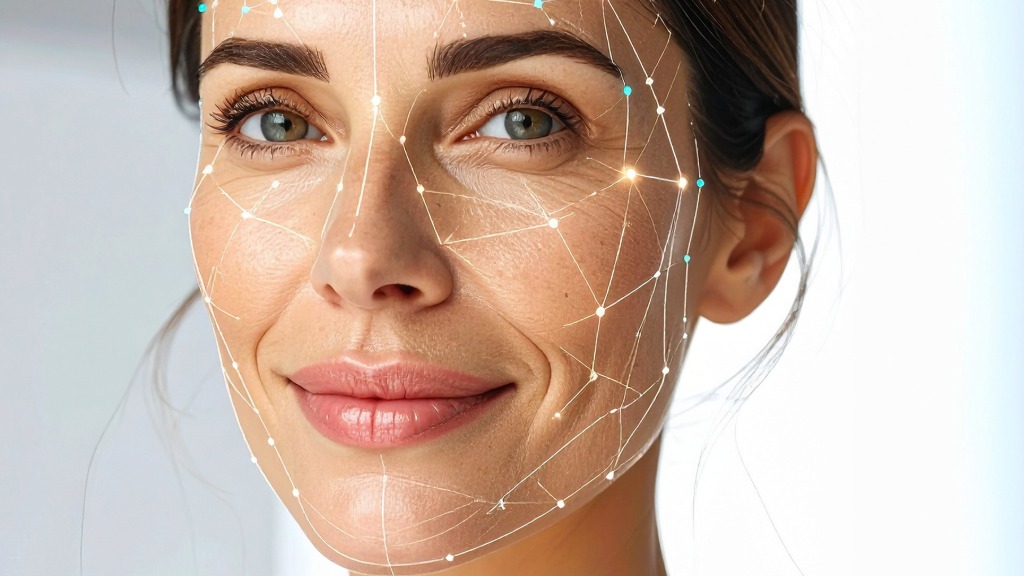
Longevity is rapidly emerging as one of the most influential trends in recent times. It is being driven by mainstream consumer priorities increasingly focusing on broader definitions of success through living well, advances in biotechnology and a rapidly ageing global population. The beauty and personal care industry was valued at USD 623.2 billion globally in 2025 and is projected to have a compound annual growth rate of 5.6% to 2030 according to Euromonitor International’s April 2026 data. This growth signals significant opportunities for brands able to focus on longevity to capitalise on one of the most consequential reorientations in a generation.
The premise is straightforward: global life expectancy is set to rise by five years by 2050, yet healthspan continues to lag, with people expected to live an average of 10 years in ill health. Consumers are increasingly aware of this and are taking more decisive action to ensure they can enjoy the extended health span minor adjustments can enable. Besides the practical implications of improving health spans, consumers are also looking to solutions to support beauty and wellness from a more holistic standpoint.
Within the beauty and personal care industry, this translates to a decisive pivot from correction to prevention. For decades, the industry approached ageing through a single lens, correcting visible signs such as wrinkles, pigmentation, and thinning hair once they appeared. The conversation has now moved toward biological resilience, with longevity in beauty shifting the paradigm from anti-ageing correction to preventive care focused on cellular resilience and biome protection through products like serums and ingestibles. As an illustration of this point the anti-wrinkle products market alone is projected to reach USD 15.87 billion in 2026, growing at a compound annual growth rate of 7.5% through 2033.
Euromonitor’s framework segments this longevity approach across three life stages: Pre-Ageing (up to 35-40), Ageless (40-60), and Pro-Ageing (60+), each demanding tailored interventions from prevention to cognitive resilience and cellular regeneration. Younger generations are embracing longevity-first aspirations and prioritising back-to-basics self-care, while midlife consumers require next-level interventions targeting biological decline and metabolic health optimization. Already, 33% of skin care users aged 15-29 seek anti-ageing benefits, and global mass skin care is projected to grow at a 6% CAGR by 2029, outpacing premium skin care at 4%.
Ingredient innovation sits at the heart of this transformation. Four biological pillars consistently emerge in longevity-positioned formulations: structural integrity (ceramides, collagen), cellular protection (polyphenols, antioxidants), energy and repair (peptides, NAD-related compounds), and stress and systemic resilience (adaptogens, omega-3s, microbiome regulators). In hair care, the “skinification” trend has driven a twelve-fold increase in online product SKUs (Euromonitor International’s Ingredient data 2025) containing niacinamide since 2022, while scalp health has risen to the third most desired hair care functionality in 2025, up from fifth in 2021, sought by nearly a quarter of consumers. These longevity-aligned attributes are expected to be pivotal in driving the projected 3% global growth of hair care in constant terms in 2026.
As longevity moves from a niche scientific concept to a mainstream consumer ambition, beauty and personal care is being fundamentally redefined. The shift from reactive correction to proactive prevention signals a broader reframing of beauty as a long-term investment in healthspan, resilience and quality of life. For brands, this creates both opportunity and responsibility. Winning in this new era will require credible science, transparent claims and solutions that sit at the intersection of beauty, health and lifestyle optimisation. Those able to align innovation, ingredients and communication around biological ageing rather than superficial fixes will be best placed to capture growth as longevity becomes a permanent pillar of consumer value creation, reshaping the beauty and personal care industry for the decades ahead.
References and notes
Explore the article in the digital edition
Korean Cosmetic Ingredients: How Korea Turned Ingredients into Brand P...
Plant-derived Extracellular Vesicles as emerging biological delivery v...
PEER REVIEWED – Plant-Derived Extracellular Vesicles Improve Sca...
K-Beauty 2.0: Evolving Through Science, Biotechnology, and Data
Shades of Protection: Rethinking the Future of EU Sunscreen Regulation

Beyond the SPF Number: Why Microbiome Compatibility Must Become the Ne...

Consumer Perspective: What Indie Brands Get Right About Consumer Psych...

Sustainability in Personal Care