
Introduction
The past decade has seen the rise of smart dispensing or auto-dosing systems within the Home Care and detergent industry. These systems replace manual detergent dosing with controlled, sensor- or algorithm-based delivery of detergents directly from an integrated or connected reservoir, ensuring precise dosing relative to load type/size, soil level, and water conditions. Some current and past market examples are shown in Figure 1.
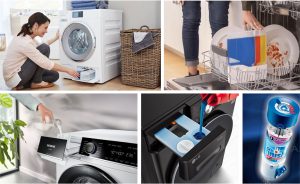
Figure 1. Current and past market examples of smart dispensing or auto-dosing.
Several forces drive the adoption of these systems. Consumers increasingly seek convenience and sustainability, while appliance manufacturers integrate connectivity and control precision into their designs. At the same time, regulatory and societal pressure for reduced chemical consumption and lower environmental impact encourages innovation in concentrated formulations and closed-loop packaging (1). The intersection of these technological and social factors creates fertile ground for research and development in smart Home Care systems.
Market Context and Technological Evolution
Smart dispensing technology has moved from niche innovation to a growing mainstream expectation, particularly in premium household appliances. Market growth is strongest in Europe and North America, followed by rapid adoption in Asia-Pacific markets where digital infrastructure and connected lifestyles are advancing quickly (2). The combination of appliance penetration, sensor sophistication, and the availability of compact, high-concentration liquid detergents has accelerated this transition.
The market landscape involves close interaction between appliance manufacturers and detergent formulators. Appliance manufacturers such as Miele and Haier have pioneered systems that illustrate different approaches to auto-dosing, as shown in Figure 2.
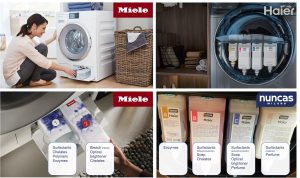
Figure 2. Miele TwinDos and Haier WashPass examples (3, 4).
Miele’s TwinDos (3) integrates dual liquid phases – one focusing on surfactant and enzyme action and the other delivering bleaching and brightening functions. The system automatically dispenses precise quantities from two cartridges, achieving cleaning efficiency at low temperatures while maintaining color and fabric integrity. Haier’s WashPass platform (4) extends the concept by offering subscription-based detergent refills, each optimized for a specific function such as stain removal, delicate care, degreasing, or fabric finishing. Together, these examples illustrate how formulation science and device engineering can evolve in tandem.
Detergent company Henkel has recently launched Persil SmartWash (Figure 3), a connected, auto-dosing laundry system designed to deliver the right amount of detergent per load, helping reduce overdosing and waste. It combines concentrated liquid detergent with smart dispensing/usage control to improve convenience and consistency in everyday washing (5).
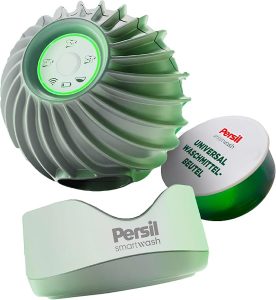
Figure 3. Persil SmartWash – introduced by Henkel (5).
Beyond laundry, smart dispensing is emerging in automatic dishwashing and, increasingly, in floor and kitchen cleaning (Figure 4). In each category, digital dosing enables precise control of ingredient delivery, improving cleaning consistency and convenience.
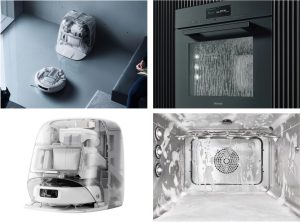
Figure 4. Smart dispensing examples in floor and kitchen cleaning.
Integration of Formulation Chemistry with Mechanical Systems
Smart dispensing represents an intersection between chemical and mechanical engineering. Traditional detergents were optimized for bulk packaging and manual measurement, but smart systems introduce additional constraints. The success of any smart dispensing system depends not only on mechanical precision but also on the underlying chemistry of the detergent. Formulations designed for automated systems differ substantially from those intended for manual use. They must remain stable over extended storage within closed cartridges, resist separation, powder clogging and maintain consistent viscosity to ensure predictable flow through pumps and valves. Even small changes in consistency can disrupt dosing accuracy or cause obstruction.
The viscosity and surface tension of the liquid must allow accurate metering by pumps and sensors that operate across a wide temperature range. Dyes and opacifiers cannot obscure optical detectors. The chemical composition must not damage plastic or corrode metallic components of the reservoir or tubing. These interactions require cross-disciplinary research that bridges formulation science, materials engineering, and device design.
Environmental and Sustainability Considerations
One of the most significant advantages of smart dispensing is its potential to improve environmental outcomes. Studies suggest that consumer dosing is inconsistent, error-prone and often exceed recommended quantities (6). Auto-dosing eliminates this variability, ensuring that detergent consumption aligns with actual cleaning requirements. This not only reduces chemical emissions into wastewater but also lowers packaging waste and transport-related carbon footprint through the use of concentrated formulations. Moreover, ingredient separation of incompatible ingredients (for example: bleach and enzymes) and the controlled environment of closed cartridges improves product & ingredient stability, extends shelf life and overall performance.
From an energy perspective, optimized formulations and precise dosing enable effective cleaning at lower temperatures, thereby reducing total energy use per wash cycle. These combined benefits make smart dispensing an important technology in achieving the Home Care industry’s sustainability objectives to reduce Scope 3 emissions (7).
Data, Connectivity, and Product Intelligence
Smart dispensing systems are inherently digital. They rely on embedded sensors and algorithmic controls that continually measure and adjust performance. This data-centric approach opens new avenues for product development and user interaction. Manufacturers can gather anonymized data on usage patterns, water conditions, and detergent consumption, and feed these insights back into formulation improvement and appliance optimization. Artificial intelligence can correlate these data streams to predict maintenance needs or recommend formulation adjustments for regional water conditions.
For R&D departments, such feedback accelerates the innovation cycle. Formulators can move beyond static recipes toward adaptive formulations that evolve alongside device firmware and sensor technology. For technical marketing teams, connectivity creates opportunities for communicating measurable benefits – quantified energy savings, reduced waste, or enhanced cleaning outcomes – rather than relying solely on qualitative claims. As a result, smart dispensing systems represent not only a technological shift but also a transformation in how Home Care performance is measured, communicated, and experienced.
Industry Implications
The development of smart dispensing systems challenges the traditional separation between detergent and appliance manufacturers.
Success may now depend on collaborative ecosystems where formulation science and device engineering are co-designed. Joint ventures and co-branding arrangements between detergent producers and appliance makers illustrate this new paradigm.
Innovation and intellectual property strategies increasingly center on the interface between and combination of chemistry and hardware rather than on individual ingredients alone. The competitive advantage lies in system thinking – the ability to integrate ingredients, materials, mechanics, sensors and digital intelligence into a seamless user experience.
Outlook
Looking ahead, several trends are likely to shape the evolution of smart dispensing (8). The first is the continued miniaturization and sophistication of sensors. As measurement accuracy improves, detergents can be dosed in even smaller increments, allowing for ultra-concentrated products that reduce environmental impact without compromising performance. Parallel progress in enzyme engineering and bio-based surfactants, polymers and chelates will further enhance biodegradability and performance.
Second, new packaging formats are expected to emerge. Refillable cartridges and closed-loop refill systems can reduce plastic waste and facilitate circular economy models. Subscription-based supply chains, already evident in some product ecosystems, will likely expand as consumers accept automated replenishment linked to usage data. This shift may also alter brand-customer relationships, emphasizing long-term service reliability over one-time product purchase.
Finally, the integration of artificial intelligence in both appliances and R&D processes will enable predictive formulation design. Machine-learning algorithms trained on experimental and field data can forecast stability, foaming behavior, and cleaning efficacy, substantially reducing development time. As digital twins of formulations and appliances become commonplace, the boundary between virtual design and physical testing will continue to blur.
Conclusions
Smart dispensing represents one of the most significant technological shifts in the modern Home Care sector. By combining precise mechanical control with advanced formulation chemistry, it enables measurable improvements in cleaning performance, resource efficiency, and environmental impact. The approach aligns closely with global sustainability goals and evolving consumer expectations for convenience and reliability.
The continued success of smart dispensing will depend on the ability of researchers and engineers to collaborate across disciplines. Formulation chemists must design formulations that are stable, concentrated, and compatible with sensing technologies. Mechanical engineers must ensure that dispensing mechanisms deliver consistent performance under varying physical conditions. Data scientists must interpret operational data to guide further optimization. Together, these efforts will define a new generation of intelligent, sustainable, and adaptive Home Care solutions.
While early smart dispensing systems demonstrate the feasibility and consumer appeal of automated dosing, the field remains open for innovation. Future research should focus on enhancing biodegradability, developing modular refill systems, and leveraging digital intelligence for continuous improvement. In this sense, smart dispensing is not merely a technological upgrade – it represents a shift toward a more integrated, responsive, and environmentally responsible model of product design and use.
References and notes
The author has made every effort to reflect relevant past and current market examples. The examples shown are for illustrative purposes only and are not exhaustive. Given the fast-moving nature of the market, products and offerings may change over time.
1. Messe Frankfurt / Texcare article on “smart detergent chemistry”, 1 August 2025.
2. Market Research Report: Smart Home and Connected Home Market: Converging Technologies Redefining Modern Living, MarketsandMarkets, August 2024.
https://www.marketsandmarkets.com/ResearchInsight/smart-connected-home-market.asp
3. Miele website: Miele TwinDos® Automatic Detergent Dispensing.
https://www.miele.co.uk/c/laundry-tech-washing-machines-auto-dosing-9392.htm
4. Haier Europe press release: WashPass by Haier: Zero Stress, Higher Quality Washing, 23 February 2023.
5. PR Newswire article: Henkel’s Smartwash™ Defines a New Era of Clean at CES® 2025, 9 January 2025.
6. Tobias Kimmel, Kevin Pauels, Judith Darteh and Monika Eigenstetter, Effect of dosing aid size and consumer age on detergent dosage and discrepancies between perceived and measured laundry load in household washing. Tenside Surfact. Det. 2025; 62(5): 433–443.
7. Sadegh Shahmohammadi, et al. Quantifying drivers of variability in life cycle greenhouse gas emissions of consumer products—a case study on laundry washing in Europe. The International Journal of Life Cycle Assessment 2018; 23: 1940–1949.
https://link.springer.com/article/10.1007/s11367-017-1426-4
8. Janssens, J.-P. (2025). Formulation Strategies for Smart Dispensing Innovation. SEPAWA Conference Proceedings.

Wellness and its positive effect on beauty

LactoSporin: Elevating Postbiotic Science in Next Generation Skincare

Polyphenols from Upcycled Cork for Skin Protection and Well-Ageing Act...

Zurko – Innovation and Instrumental Precision: Zurko Research’s...

Biological Skincare: From Anti-Aging Claims to Age-Empowered Beauty

Bionap – CYNAGE™: The Chlorogenic Acid Shield for Urban Anti-Pol...

The Global Rise of Sensorial Skincare: How Texture & Feel Are Red...
Your Skin is Listening – Why Skincare Experience Starts in the B...