Hot topics
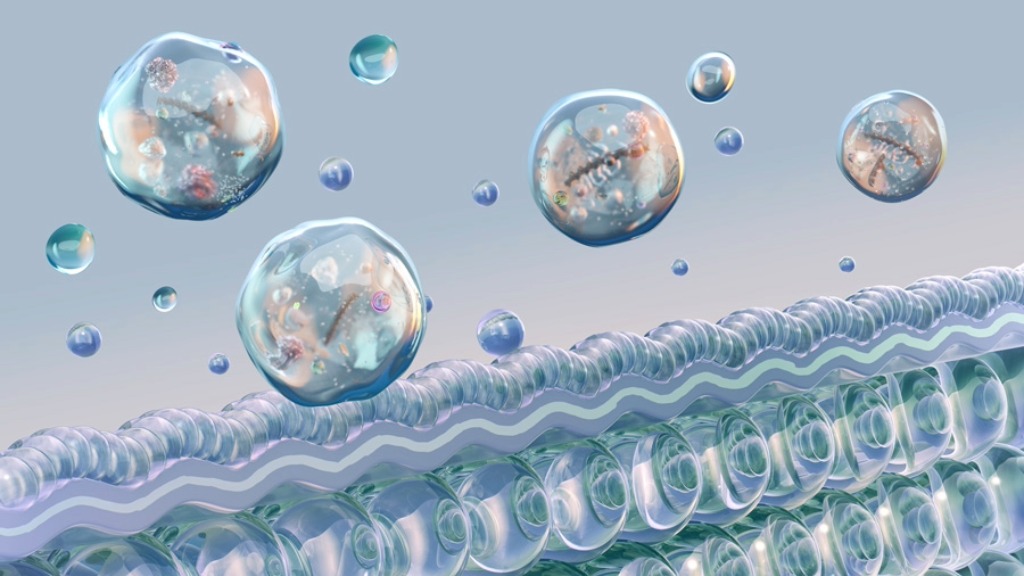
Zoe Draelos, MD, Dermatology Consulting Services, High Point, North Carolina presented “Cosmeceuticals: Naturally Absurd.” Dr. Draelos presented emerging innovative ingredients used in cosmetic products. Exosomes are found in urine, saliva, blood and cerebrospinal fluid. The size being 30-150 nm in diameter. They were discovered 30 years ago and thought to function solely as a method of cellular waste disposal. More recently they are shown to be a method of intercellular communication allowing transfer of molecules between cells. Exosomes contain an outer lipid bilayer with an interior that may contain proteins, lipids, DNA, microRNA and messenger RNA. They have the potential to signal biological functions, provide therapeutic benefits, pharmacological effects and serve as a biomarker for disease diagnosis. In dermatology exosomes are being evaluated for drug delivery, mRNA transfer promoting protein production in wound healing and scarring, and reversing aging by providing new genetic material. Studies indicate that keratinocyte derived exosomes can modulate melanin synthesis, umbilical derived exosomes can increase fibroblast collagen 1, fibronectin, and elastin gene expression. Dermal papilla derived exosomes can regulate hair follicle growth and stimulate outer root sheath proliferation. Dr. Draelos noted that topical exosomes can be challenging to formulate and deliver to the target treatment location, must be adequately preserved and may not be compatible with various emulsifiers. Currently most studies have been in vitro and animal models, double blind placebo controlled human studies are needed for validation of the claimed benefits. Dr. Draelos went on to discuss clock gene cosmeceuticals, based on circadian rhythms. Circadian rhythms are the body’s endogenous 24-hour physiologic metabolic and behavioral rhythm. All of the body organs including skin are subject to cycles based on a biological clock. Skin care products are being designed to complement these rhythms according to Dr. Draelos. There is a small, paired structure in the hypothalamus of the brain that functions as the body’s master circadian pacemaker, regulating daily cycles of behavior and physiology. It receives light from the retina and synchronizes the body’s internal clock to the external light-dark environment. The clock is controlled by hormones, melatonin, cortisol and cytokines. Circadian rhythms are important in skin with clocks in keratinocytes, fibroblasts, melanocytes, mast cells and hair follicles. Skin functions affected by circadian rhythms include free radical production and neutralization, DNA damage and repair, keratinocyte and fibroblast differentiation /proliferation and barrier and immune functioning. Circadian clock dysregulation can lead to skin damage from UVR and premature aging (2, 3). Another cosmeceutical topic presented by Dr. Draelos was prebiotic skin care. The concept being that probiotics include the addition of actives or nutrients that promote beneficial bacteria while inhibiting harmful organisms on the skin’s surface. Most probiotic skin care products are based on sugars or plant oils. Topical bacterial skin probiotics include lactobacillis and bifidobacterium. True probiotic skin care products must be refrigerated because preservatives used in most skin care products will kill the probiotic organisms. Dairy propionic bacteria are frequently used in skin care due to their safety profile. It is important that probiotic bacteria adhere to skin, is resistant toward potential pathogens and produces antimicrobial substances. Beyond probiotics, postbiotic skin care products are non-viable bacterial products or metabolic by-products from probiotic bacteria. They are produced during the fermentation process of probiotic bacteria. Examples include enzymes, peptides, peptidoglycan-derived muropeptides, polysaccharides, cell surface proteins and organic acids. Many skin care products contain postbiotic substances, including lactic acid and glycerol. Dr. Draelos’ concluding remark regarding cosmeceuticals is that understanding the science behind cosmeceuticals can assist in mastering the facts and making the category seem less absurd.
Science of Cosmeceuticals and Nutritionals
Dr. Cheri Frey, Washington, DC, Director of Cosmetic Dermatology, Department of Dermatology, Howard University, presented on the topic “Cosmeceutical Fads and Facts 2026.” Dr. Frey discussed the influence and clinical implications of social media with respect to misinformation, product misuse, self-treatment and instructing the patient to understand and apply evidence-based strategies toward appropriate skincare. She mentioned that social media has surpassed the physician as the first stop for skincare and many patients initiate multi-step regimen before ever consulting a dermatologist, complicating diagnosis and treatment. A 2023 publication in JAMA by Rajagopal et al., reported that patients who sourced skincare information from social media were significantly more likely to present with product-induced dermatitis and less adherent to prescribed regimens. Dr. Frey went on to discuss the popularity of Korean skincare, a distinct philosophy. Korean skincare focuses on skin barrier-centric care, strengthening natural skin defense, gentle actives in mild formulations to reduce irritation, multi-step layering sequential application to promote product synergy. She noted that social media has popularized snail mucin as a potent moisturizer and skin reparative agent. However, there are reports of allergic sensitization to snail mucin caused by protein components hypothesized to be cross-reacting with people sensitive to shellfish and dust mites. Another ingredient promoted on social media is beta-glucan, a polysaccharide derived from oats, yeast, and fungi. It is reported to have immunomodulatory and skin barrier-active properties. Biological activity appears to be mediated by acting on the Dectin-1 receptor in skin activating innate immune and barrier repair pathways in keratinocytes and dermal fibroblasts. The net result being immune modulation reducing inflammation, fibroblast stimulation supporting dermal architecture and skin barrier support associated with low epidermal water loss and reduced barrier permeability. Aquaxyl™ ( INCI: Xylitylglucoside-Anhydroxylitol-Xylitol) a patented natural technology derived from a sugar-based process is another ingredient designed to moisturize and improve the skin barrier. In limited studies 1.5% Aquaxyl™ was shown to be statistically more effective moisturizing skin when formulated with 3% glycerin compared to the same base with just 3% glycerin in a 28-day study when 25 volunteers had their skin measured with corneometry and transepidermal water loss (TEWL). Dr. Frey mentioned that when people use the Korean skin care regimen of over layering, and multiple actives are applied simultaneously, studies have shown there is an increased potential for sustained skin barrier irritation and increased TEWL, resulting in secondary complications that include post inflammatory hyperpigmentation and a potential misdiagnosis. Dr. Frey discussed skin cycling, this involves rotating active ingredients used during the day with recovery nights to maximize product efficacy and minimize irritation. The regimen aims to strategically introduce potent ingredients including retinoids while providing ample time for the skin barrier to recover. Another topic presented was the “tween” skincare craze. Adolescents as young as 8-10 years old are increasingly adopting complex skin care routines. An immature skin barrier is more susceptible to irritation and sensitization; antiaging ingredients being used in some cases are inappropriate for pediatric use. The driver for this craze is social media and is increasing the risk of irritant contact dermatitis, barrier disruption and sensitization in adolescent skin that tends to be more reactive than adult skin.
Dr. Heather Woolery-Lloyd, Director, Skin of Color Division, University of Miami Miller School of Medicine, Miami, Florida, presented “Late Breaking Skin of Color Cosmeceutical Concepts,” discussing the mechanism of malassezin, a yeast metabolite of Malassezia furfur acting as a natural indole metabolite shown to induce selective apoptosis in hyperactive melanocytes without damaging skin cells. It also acts as an aryl hydrocarbon receptor (AhR) agonist and activaton of the AhR pathway leading to decrease of tyrosinase, tyrosinase-related protein (TYR-1) and dopachrome tautomerase (DCT/TRP-2). Dr. Woolery-Lloyd described a 12-week study with 20 adult women evaluating a cream with 0.75% malassezin applied to one side of the face and the other side treated with 4% hydroquinone found a significant reduction of melasma with no statistical difference between sides (4, 5). She went on to note that Niosome Technolgy is currently experiencing a resurgence in popularity due to advancements in nanotechnology and the demand for higher performance, targeted skincare. Niosomes are thought to be next generation liposomes having advantages including improved chemical stability, cost-effective, acts as a penetration enhancer as it penetrates the lipid bilayer for deeper epidermal/dermal delivery and encapsulates both hydrophilic and lipophilic actives in bilayer format. Dr. Woolery-Lloyd reviewed recent publications regarding the effect of visible light on melasma, a disorder of hyperpigmentation. The study showed that visible light alone can stimulate immediate pigment darkening and worsen melasma spots after a single dose of visible light equivalent to 1 hour of sun exposure. Another study by Dumbuya et.al. evaluated tinted sunscreens protecting against visible light-induced photodamage and melasma relapses. Using transmittance spectroscopy to measure blocking of high energy visible light (400-500 nm) before and after irradiation with 200 J/cm2 of filtered blue light.
The study authors concluded that high energy visible light absorbance and blocking potential correlated with iron oxide levels. Non-tinted sunscreens demonstrated limited protection beyond UV spectrum with the lowest high energy visible light blocking potential. Mineral tinted sunscreens including iron oxides, titanium and zinc oxides provide superior performance blocking high energy visible light absorbance and blocking potential compared to darker-tinted chemical (organic) sunscreens or tinted hybrid chemical plus mineral sunscreens. The combination of iron oxides with both zinc oxide and titanium dioxide performed the best (6, 7).
Dr. Wyles noted that exosomes are of interest because it is expected to have a market size of US $1.4 billion by 2028, and is suitable for skin rejuvenation, hair growth, and post-procedural healing. What needs to be established remains safety, how effective and how well-regulated this technology is. Current concerns dermatologists have regarding exosome treatments are false marketing claims including “FDA-registered,” and unregulated products being injected at medical spas. Social media is providing misinformation as celebrities endorse treatments without clinical backing. The FDA position on exosomes is that they are considered biologic drugs requiring an Investigational New Drug (IND) application. A physician typically will submit an application to use an investigational drug to study an unapproved drug or an approved product for a new indication in a new patient population.
Injectable exosomes are not FDA-approved. South Korea and China currently lead in exosome-based cosmetics, and the EU is developing regulations for exosome therapies, the US is testing exosomes in clinical trials. From the perspective of a drug, the FDA is considering injectable applications including customized exosome therapies based on patient need.
Walking the Exhibit Floor
More than 350 exhibiting companies were showcasing the latest in devices, pharmaceuticals, color cosmetics, skin and hair care products, Journal publications, textbook publishing, and other miscellaneous items. An interesting exhibitor was Korean skincare brand Anua. Anua recently launched a Barrier RebootTM line, an example of K Beauty philosophy, the core technology being ML3 PrecursorsTM reportedly designed to replicate the skin’s native barrier structure and support its ability to regenerate. The formulations are the result of a collaboration with researchers at Korea Advanced Institute of Science and Technology (KAIST) and a team of dermatologists lead by Dr. Muneeb Shah. The technology consists of a multi-lamellar delivery system encapsulating ceremide, fatty acids, and cholesterol precursors, these are the foundational components the skin uses to rebuild its protective barrier. Dr. Shah codeveloped the launch, he is well known on TikTok with approximately over 17 million followers.
Another interesting exhibitor, Acaderma, a skin care company founded on academic research embracing Holistic Skin Longevity Solutions. The company started with two research scientists studying cellular and molecular mechanisms of longevity and biological resilience, Dr. Shuting HU and Dr. James Simon, professor at Rutgers, The State University of New Jersey. Longevity is multi-dimensional and all the 14 hallmarks of aging need to be addressed rather than single-target approaches. The company research seeks novel bioactive compounds that activate skin’s intrinsic repair and longevity systems, typically natural ingredients that have in vitro and in vivo data accompanied with patents. A cornerstone ingredient she-Haw EX® is a patented bioactive derived from Kinkeliba, a West African plant with high antioxidant activity, shown to sooth and heal a damaged skin barrier. It is positioned as a super-healing ingredient with anti-inflammaging properties. All formulations are evaluated with double-blind clinical trials. Such studies fill a huge gap in the botanical medicinal world where good clinical studies are generally lacking.
References and notes
- Lai K, Herringshaw E. The use of GLP-1 agonists in the management of cutaneous Disease. J Clin Aesthet Dermatol. 2024;17(9):34-37.
- Pegel DM, GouldSJ. Exosomes. Annu Rev Biochem. 2019;Jun 20;88:487-514.
- Matsui MS, Pelie E, Dong K. Biological rhythms in the skin. Int J Mol Sci. 2016 May 24;17(6):801.
- Kaufman BP, Alexis AF. A randomized, controlled. Split-face, double-blind study comparing topical malassezin to hydroquinone 4% for melasma. J Drugs Dermatol. 2020;Sep 1 19(9):822-827.
- Mawazi SM, Tong JA, Riyanto TW. Application of niosomes in cosmetics: a systematic review. Cosmetics. 2022;9(6):127.
- Dumbuya H, Podimatis K, Grimes P. Evaluation of tinted sunscreens protection against blue light using transmittance spectroscopy in vitro technique. Photodermatol Photoimmunol Photomed. 2026 Mar;4(2):e70075.
- Mann T, Eggers K, Rogers T, nRiedel J, Lutgens M, Thiele L, Moller N, Weise JM, Kolbe L. Visible light induces skin darkening in vivo: comparative pilot studies reveal enhanced susceptibility in melasma ans its mitigation by a human tyrosinase inhibitor. Photochem & Photobiol Sci. 2026;25:299-306.
- Vyas KS, Kaufman J, Munavalli GS, Robertson K, Behfar A, Wyles SP. Exposomes: the latest in regenerative aesthetics. Regen Med. 2023 Feb;18(2):181-194.
- Ash M, Zibitt M, Shauly O, Losken A, Gould D. The innovative and evolving landscape of topical exosome and peptide therapies: a systematic review of the available literature. Aesthet Surg J open forum. 2024 Mar 19;6: ojae017.
Explore the article in the digital edition
Korean Cosmetic Ingredients: How Korea Turned Ingredients into Brand P...

Plant-derived Extracellular Vesicles as emerging biological delivery v...
PEER REVIEWED – Plant-Derived Extracellular Vesicles Improve Sca...
The Longevity Shift: How the Pursuit of Healthspan Is Reshaping Beauty...
K-Beauty 2.0: Evolving Through Science, Biotechnology, and Data
Shades of Protection: Rethinking the Future of EU Sunscreen Regulation

Beyond the SPF Number: Why Microbiome Compatibility Must Become the Ne...

Consumer Perspective: What Indie Brands Get Right About Consumer Psych...