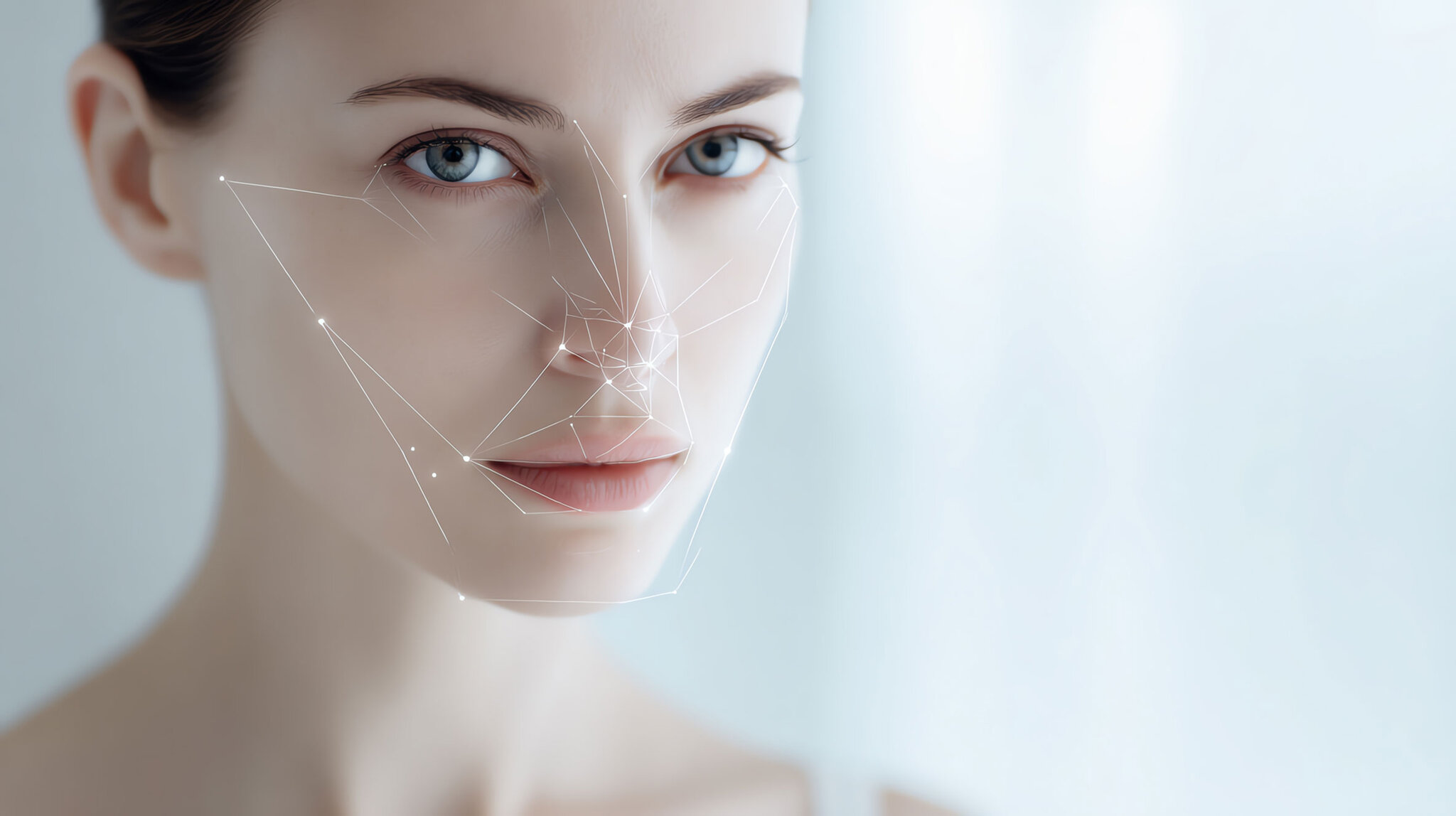

Personalization has gained considerable allure in consumer markets, and the beauty sector has embraced it with particular enthusiasm. Over the past ten years or so, many cosmetic companies have moved beyond the classic one-size-fits-all model, developing products and routines adapted to declared skin types, individual concerns, lifestyles, or demographic factors. Questionnaires, digital skin scanners, and recommendation algorithms now give consumers the impression of truly bespoke solutions.
Yet these early efforts at customization still depend largely on what can be seen or self-reported. Two individuals classified with the same “oily” or “sensitive” skin can differ profoundly in how their skin actually behaves, owing to distinct genetic backgrounds, cumulative environmental exposures, and personal circumstances. Skin physiology is influenced by genetic makeup, chronological age, hormonal fluctuations, ethnic background, together with external factors such as ultraviolet radiation, air pollution, dietary patterns, psychological stress, and everyday habits. Such diversity helps explain why generic formulations and categorizations can be inadequate for some consumers (1).
Precision skincare takes inspiration from the broader precision medicine movement — an approach that has already demonstrated, within dermatology itself, that matching treatments to individual molecular profiles can improve outcomes beyond what standard protocols allow — in an effort to overcome these constraints. It brings together biological, environmental, and behavioral data in pursuit of a far more detailed picture of an individual’s skin. Thanks to rapid advances in high-throughput sequencing, multi-omics technologies (genomics, proteomics, metabolomics, and microbiome profiling) along with improved imaging modalities and artificial intelligence, scientists and clinicians can now examine skin biology with a depth that would have seemed impossible only a brief time ago. The emphasis moves away from simply addressing visible features or broad skin-type labels toward the identification of distinct molecular profiles. These signatures, in turn, hold promises for more accurate forecasts of individual requirements, better matching of ingredients, and improved predictions of how skin might respond to specific treatments (2, 3).
Understanding individual skin variability
Multi-omics technologies: decoding skin biology
Digital diagnostics and artificial intelligence
Current applications and future perspectives
Scientific, regulatory, and ethical challenges
Conclusion
What precision skincare could become, if it gets the fundamentals right, is a deeper understanding of skin as a dynamic biological system. Whether the field gets there will depend less on the sophistication of its technology than on the rigor and honesty it brings to science.
References and notes
- Geusens, B. and Haykal, D. (2025) ‘Genetic profiling and precision skin care: a review’, Frontiers in Genetics. https://doi.org/10.3389/fgene.2025.1559510
- Haykal, D. et al. (2025) ‘Cosmetogenomics unveiled: a systematic review of AI, genomics, and the future of personalized skincare’, Frontiers in Artificial Intelligence, 8, 1660356. https://doi.org/10.3389/frai.2025.1660356
- Tan, I.J. et al. (2024) ‘Precision Dermatology: A Review of Molecular Biomarkers and Personalized Therapies’, Current Issues in Molecular Biology, 46(4), pp. 2975–2990. https://doi.org/10.3390/cimb46040186
- Krutmann, J. et al. (2017) ‘The skin aging exposome’, Journal of Dermatological Science, 85(3), pp. 152–161. https://doi.org/10.1016/j.jdermsci.2016.09.015
- Jacobs, L.C. et al. (2015) ‘A genome-wide association study identifies the skin color genes IRF4, MC1R, ASIP, and BNC2 influencing facial pigmented spots’, Journal of Investigative Dermatology, 135(7), pp. 1735–1742. https://doi.org/10.1038/jid.2015.62
- Dessì, A. et al. (2024) ‘Integrative multiomics approach to skin: The synergy between individualised medicine and futuristic precision skin care?’, Metabolites, 14(3), 157. https://doi.org/10.3390/metabo14030157
- Long, B. et al. (2025) ‘Advances in the application of multi-omics analysis in skin aging’, Frontiers in Aging, 6, 1596050. https://doi.org/10.3389/fragi.2025.1596050
- Fredman, G. et al. (2022) ‘Towards precision dermatology: Emerging role of proteomic analysis of the skin’, Dermatology, 238(1), pp. 12–23. https://doi.org/10.1159/000516764
- Masutin, V. et al. (2022) ‘A systematic review: metabolomics-based identification of altered metabolites and pathways in the skin caused by internal and external factors’, Experimental Dermatology, 31(7), pp. 1048–1062. https://doi.org/10.1111/exd.14529
- Hong, J.Y. et al. (2025) ‘Microbiome-based interventions for skin aging and barrier function: A comprehensive review’, Annals of Dermatology, 37(5), pp. 259–268. https://doi.org/10.5021/ad.25.009
- Condrò, G. et al. (2022) ‘Acne vulgaris, atopic dermatitis and rosacea: The role of the skin microbiota — A review’, Biomedicines, 10(10), 2523. https://doi.org/10.3390/biomedicines10102523
- Hash, M.G. et al. (2025) ‘Artificial intelligence in the evolution of customized skincare regimens’, Cureus, 17(4), e61578. https://doi.org/10.7759/cureus.82510
- ‘Climate-adaptive beauty: Real-time adaptation, stress ‘training’ for skin, clean credibility, multi-stress protection and more’ (2025) Cosmetics & Toiletries.
- Landau, M., Tsoukas, M. and Goldust, M. (2025) ‘3D-printed cosmetic enhancements guided by artificial intelligence’, Journal of Cosmetic Dermatology, 24(6), e70263. https://doi.org/10.1111/jocd.70263
- Bom, S., Pinto, P.C., Ribeiro, H.M. and Marto, J. (2025) ‘Digital tools in action: 3D printing for personalized skincare in the era of beauty tech’, Cosmetics, 12(4), 136. https://doi.org/10.3390/cosmetics12040136
- Di Guardo, A. et al. (2025) ‘Artificial intelligence in cosmetic formulation: Predictive modeling for safety, tolerability, and regulatory perspectives’, Cosmetics, 12(4), 157. https://doi.org/10.3390/cosmetics12040157
- Joerg, L. et al. (2025) ‘AI‐generated dermatologic images show deficient skin tone diversity and poor diagnostic accuracy: An experimental study’, Journal of the European Academy of Dermatology and Venereology. https://doi.org/10.1111/jdv.20849
- Fritzsche, M.C., Hangel, N. and Buyx, A.M. (2025) ‘Ethical challenges in biomarker research and precision medicine – a qualitative study in dermatology’, BMC Medical Ethics, 26(1), 162. https://doi.org/10.1186/s12910-025-01258-6
Explore the article in the digital edition

Modernising natural cosmetics while staying true to their core values

Bringing Waterless Innovations to Market Through Scientific Evidence

From Trend to Foundation: How Microbiome Is Redefining Beauty

A new era of skin health: the convergence of hygiene and protective be...

PEER REVIEWED – Mimicking Bioelectrical Stimulation: Enhancing I...

Science or Marketing? The Momentum of Safety & Efficacy Testing a...

Communicating with Skin Cells Using RNA-Based Instructions to Improve...

The Future of Beauty: Biotechnology and the Path to Commercial Viabili...