CHRISTIANE UHL1*, DIANA KHAZAKA-OHMANN2
*Corresponding author
1. Project Manager & Team Leader Domestic Market, Courage + Khazaka, Köln, Germany
2. General Manager, Courage + Khazaka, Köln, Germany
At a time when individuality and self-expression are paramount, consumers want products that are tailored as closely as possible to their needs while at the same time expressing their personality to those around them. In this evolving consumer landscape where one-size-fits-all approaches are no longer sufficient, personalisation has found its way into all areas of life. From the well-known tailor-made suits and the mixing of wall paint according to your colour specifications to putting together individual car interiors, personalised muesli and sports shoes and even dog food catering to the individual needs of your pet, there is practically nothing that cannot be made “especially for me”. Thanks to new manufacturing processes and modern technologies, in recent years, this trend has become more accessible for the masses. Smart devices and apps that monitor and record personal health data relating to nutrition, bodily functions, sleep, blood pressure, steps or physical exercise and much more, do the rest, offering vast amounts of data available for evaluation by artificial intelligence and machine learning (1).

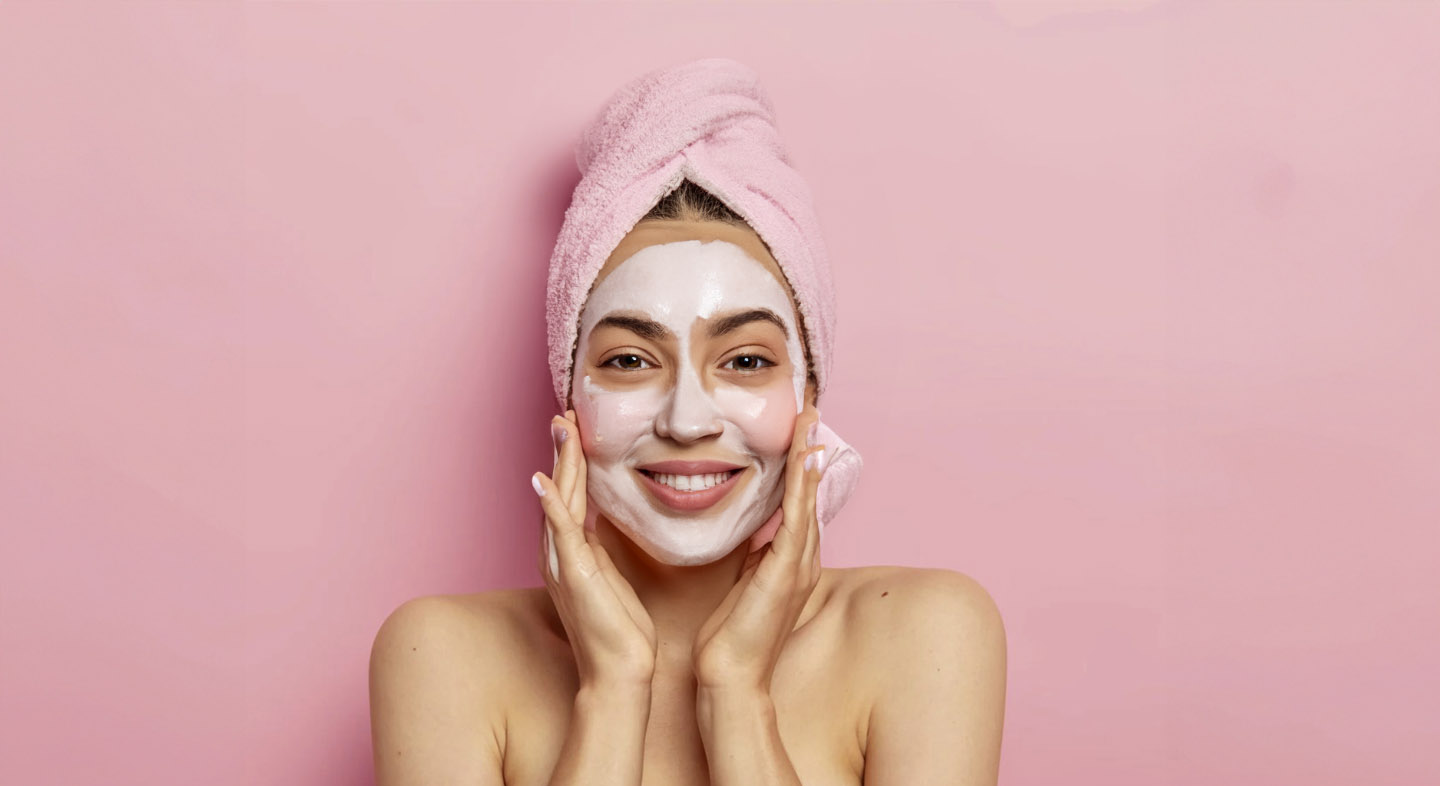
Image 1. One-size-fits-all approaches are no longer sufficient for the consumers – this also counts for skin care products.
In the beauty sector, the individualisation trend is not totally new. In the Damascus bazaar for example, more than 100 years ago, perfume was already blended exclusively for ladies and recorded on small index cards so that they could buy “their personal fragrance” at any time. This was not only intended as a special service, but naturally also meant that the customers kept coming back because they could only buy their special perfume there.
Thinking closer to home, hairdressers have been mixing colours to match exactly the natural hair for ages. Today, technological progress offers many more possibilities. The implementation of AI technology for example is facilitating virtual try-ons for beauty products on the consumer’s smart devices allowing them to experiment with different makeup or colour cosmetic variations to visualize the potential outcome on their face before committing to a purchase. A deeper understanding of individual skin biology opens the door for customization of skin care on totally new levels; some companies even offer DNA analysis to understand the genetic factors affecting one’s skin (2) (3). The beauty industry finds itself in the middle of this massive trend.
Customized skin care products are much more than just a way to enhance the customer shopping experience, they offer a real benefit for the customer. Personalized cosmetics result in products with a particularly high proportions of active ingredients for individual skin concerns and needs instead of a one-for-all that contains a broad spectrum of active ingredients for improving many different features of the skin in only low concentrations in the product.
A thorough skin analysis is the basis for assessing the skin condition and its exact needs in detail. This need not take long nor be complicated. Dedicated equipment to measure the skin condition has been offered on the market since the late 1980s.
Even though the first devices to analyze the skin were made for cosmetic companies who wanted to measure the efficiency of their cosmetic developments, it did not take long for the first companies to become aware of the benefits that the measurement of for example skin moisturization and sebum offers for the point of sale in the pharmacy, drug store or perfumery.
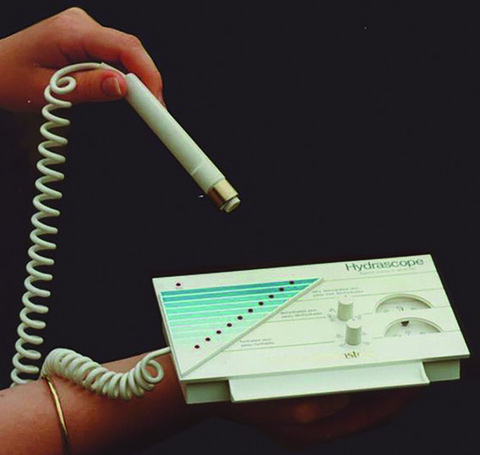
Image 2. One of the world-wide first POS skin measurement device: Hydrascope to measure skin hydration (Helena Rubinstein 1986).
Skin analysis devices are not only important to assess the basic condition and needs of the skin but can also be used to demonstrate the effect of products. Skin is a living organ and adapts quickly to external influences such as temperature, humidity and of course also the use of cleansing and care products. Therefore, skin measurements are an essential tool to prove the efficacy of cosmetic ingredients and formulations and monitor the effects of nutrition, medication, treatments, exercise and many more. They are usually performed at contract research organisation, but can also indicate product effects during the different stages of their development in the R&D departments of the cosmetic or pharmaceutical industry.
The same measuring techniques used in laboratories to demonstrate changes in skin condition can serve to analyse the skin at the point of sale. They offer indispensable information on the current individual skin condition and its needs regarding treatment, cleaning and cosmetic care. The skin also has different cosmetic requirements at different age periods. Age and sex of the customers are basic information for an individual recommendation. Additionally, skin measurements of surface hydration and sebum level offer fundamental information on the composition of the hydro-lipidic film. The ideal balance would be a considerable water content and a medium sebum level. An overproduction of sebum will show enlarged pores and may even cause acne. On the other hand, sebum is an important part of the hydrolipidic film to keep the skin surface smooth and supple and prevent the appearance of dryness lines and wrinkles. Products catering to the individual needs should replenish deficits in both components to achieve the ideal status.
Measurement of skin elasticity at different body sites can show the intrinsic and extrinsic aging of the skin and reveal the “biological skin age” which may be much lower than the real age of the customer. It supports the beauty adviser in the recommendation of anti-aging products.
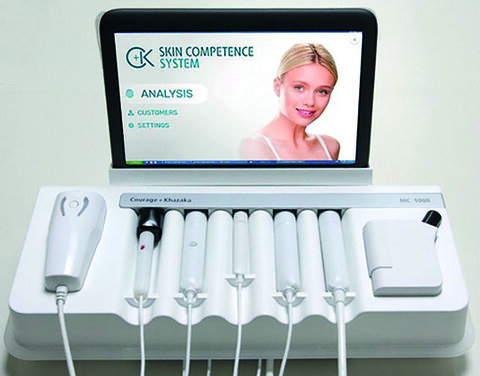
Image 3. Measuring the needs of the skin is the key to personalised cosmetics.
Measuring skin colour addresses the distribution and level of pigment in the skin or redness which will point to sensitivity. The level of pigmentation is individual for each person and is a deciding factor for the selection of the suitable SPF that is necessary to protect the skin from the sun. Its measurement can also indicate pigment-related problems such as irregular pigmentation, hyperpigmentation or hypopigmentation at different skin sites.
Skin pH measurements can be used to advise the customer about cleaning routines and recommend suitable cleansing products.
The integrity of the skin barrier as our final border to the environment is assessed by measuring the so-called “TransEpidermal Water Loss” (TEWL). Especially when the skin is damaged by dehydration due to dry air in winter, frequent washing, non-fitting cleansing and care, skin issues such as atopic dermatitis, frequent contact with hazardous substances, for example lubricants or other aggressive chemicals used at the work place or in the own workshop for DIY activities, an increase of the TEWL will show skin damage even before it can be perceived by the eye.
High resolution pictures taken of the face or at specific skin sites will show visible characteristics of the skin, for example coarse pores, pronounced wrinkles, differences in skin colour, pigment spots, delated blood vessels, visible dryness and scaliness and many more.
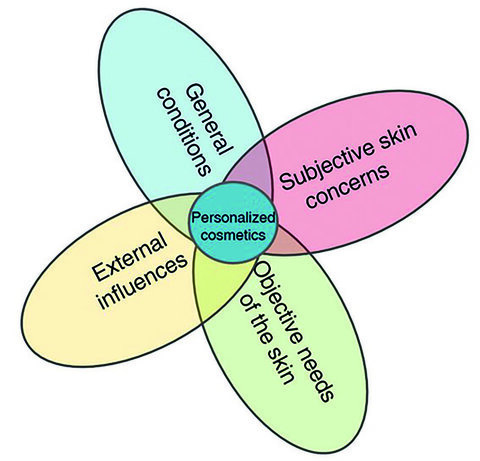
Image 4. Factors influencing the final personalized product.
The objective revelation of skin deficits and basic facts can be combined with subjective concerns of the customers themselves about their skin conditions, their expectations for cosmetic routines and the requirements to adopt the cosmetic care to their lifestyle. A trained beautician may note for example increased redness of the skin, but the customer’s main concern might be their perceived puffy eye bags or their loss of contour for the cheek area. These objective concerns need to be addressed imperatively. Other important information for adopting the skin care routines to the individual needs regard lifestyle, for example exercise and eating habits, spending more time indoors or outdoors, medical conditions and many more.
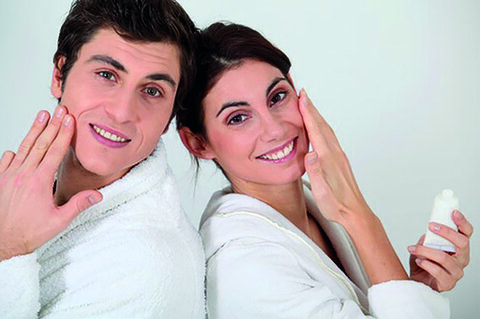
Image 5. Personalised cosmetics – more than a trend as skin benefits from high concentration of active ingredients addressing the individual concerns and needs.
The collected individual information should lead to the individual recommendation of products that will fulfil the customer’s requirements and expectations.
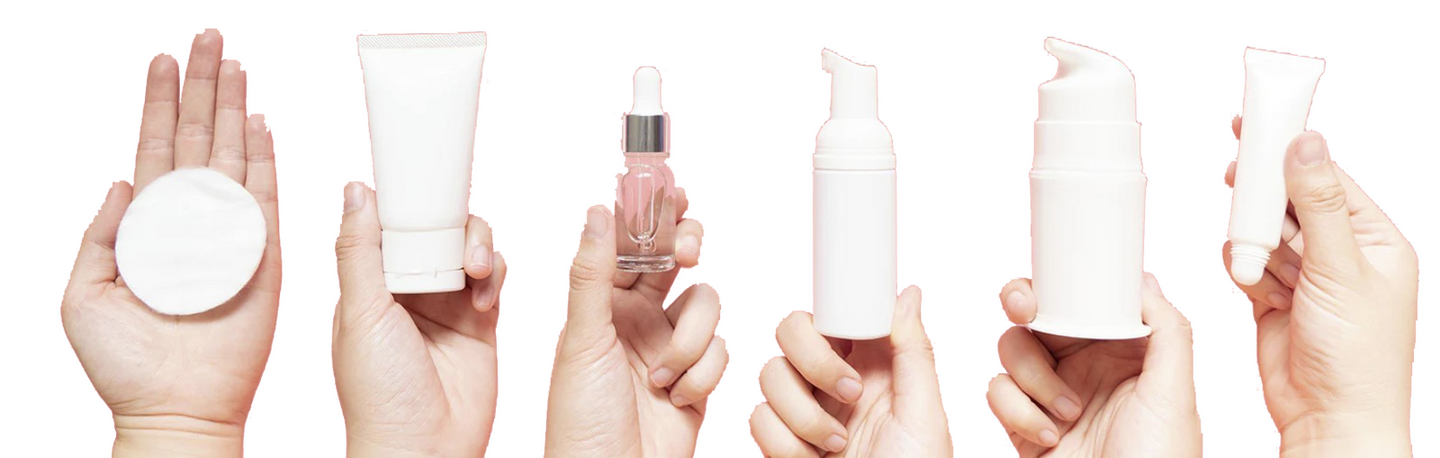
A soft customization will recommend readily available cosmetic products that fit the personal needs best. Personalization can however go much further than that. The summary of measurement results, individual concerns and factors will provide basic information for mixing different actives into a specific basic product. In this context, moisture and sebum content will point to the ideal composition of the basic care, further measurements and the main skin concerns and individual factors of the customers will determine the addition of highly concentrated serums that are applied on top or active ingredients individually added to the basic creams and cleansers.
This individual blending of components with a basic product for optimal effects can be regarded as a hard customization (4).
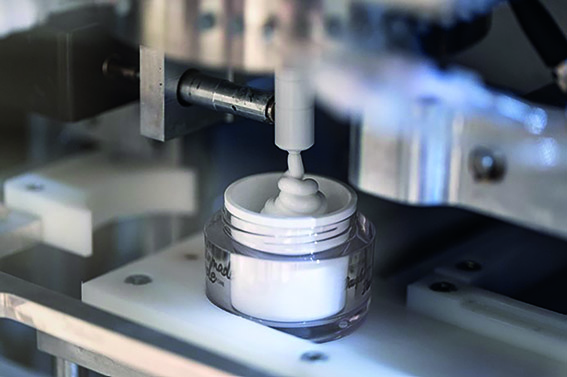
Image 6. Individual suitable products made in front of the customer give the ultimative “for me” feeling.
The production of personalized products meeting the individual needs can be done immediately after the skin analysis at the POS, for example in the pharmacy, or the results can be transferred online and individual products are produced in a laboratory and expedited within a few days, often being tailored to their use for a determinate time, thereby saving the usage of additional preservatives and enabling higher concentrations of selected actives.
Skin measurements for cosmetic testing and claim support are usually conducted in laboratories under standard conditions. The standardization includes cleansing procedures that are carried out some few hours prior to the measurement, standard temperature and ambient humidity at which the measurements are performed, sufficient acclimatization time for the subjects before measuring and a defined application of products to be tested.
Measurements at the POS cannot fulfil all these aspects. Their results refer only to the current point in time. In the morning, after cleansing, the skin might be dry and tense and will need care products with a rich texture, supplying hydration and lipids. Maybe, in the afternoon, the use of such products is no longer needed since the skin has replenished its own reservoir of lipids that were removed by the cleansing.
Also, sometimes products cannot be blended due to different chemical structures and requirements. In such cases, the use of different products at different times of the day can be advised.
Since the skin is also a living reactive tissue, interacting with the environment, changes in external conditions such as the course of the seasons, visiting different locations around the globe or interior room climate such as central heating or air condition will continuously influence its state and its individual needs. Over time, the products will need to be adopted to these changing conditions.
While personalized beauty relies on customer data to provide tailored recommendations, there are growing concerns about data privacy. Consumers are increasingly conscious of how their personal information is used in the beauty industry and expect transparent practices. A lot will certainly have to happen here, but the concerns will hardly be able to stop the development of products “for me” because individually manufactured beauty products represent a significant stride in meeting the specific needs of diverse skin types.
This approach not only yields superior results but also contributes to a more beautiful and healthier skin. Beyond the immediate benefits, the integration of personalized formulations fosters customer satisfaction, laying the foundation for lasting brand-client relationships. Furthermore, the invaluable feedback gained from the data compiled in the process serves as a compass for continuous improvement, guiding the industry towards the refinement and adaptation of formulations. As researchers in the beauty industry continue to explore and implement individualized solutions, they pave the way for a future where skincare and beauty regimens are seamlessly aligned with the unique requirements of each skin – the beauty industry’s commitment to celebrating the diversity and individuality of every consumer.
References and notes
- https://haut.ai/
- https://www.mw-aesthetics.co.uk/skin-hair-health-dna-tests/
- Liu X, Chen C-H, Karvela M, Toumazou C: A DNA-Based Intelligent Expert System for Personalised Skin-Health Recommendations. IEEE Journal of Biomedical and Health Informatics, Volume: 24, Issue: 11, November 2020 https://pubmed.ncbi.nlm.nih.gov/32149660/
- Individual skin care products. On site. Right away. Exclusive – Cosmomed Medical Beauty Individual Skin Technology, YouTube: https://www.youtube.com/live/hOKLMjuwlLo?si=AfM31B5F9Eg7B273
Unleashing Nature’s Potential: The Future of Sustainable Beauty...

Cyclization as a tool for reinvention

Harnessing the biotechnological power of Jasminum sambac: a clinical i...
Navigating the Balance – Personalized Skincare and Consumer Perc...

Is Microbiome Certification even Necessary?

Microbiome-friendly – The How and Why of this claim
ISNTREE – Yam Root Vegan Milk Toner