


Abstract
The cosmetic peptide industry relies heavily on costly, transgenic human-derived peptides. Plant biotechnology presents a sustainable alternative, revealing peptides that mimic regenerative mechanisms of animal cells. Utilizing patented Phyto-Peptidic Fractions from Centella asiatica and Curcuma longa stem cells, our research identifies peptides with strong potential for skin and hair regeneration. These plant-derived oligopeptides exhibit activity analogous to growth factors, based on sequence homology, supporting tissue repair and anti-aging effects. Their bioactivity, sustainability, and clinical validation position them as a promising natural alternative to synthetic peptides, offering a significant advancement in cosmetic science through the application of advanced peptidomics and proteomics.
Introduction
The sample preparation and Instrumental analysis were performed by Creative Proteomics services (Creative Proteomics, NY, USA). Samples were diluted in 0.1% TFA and passed twice through ziptip columns. Following desalting, peptides were eluted with 60% acetonitrile, lyophilized to near dryness, and resuspended in 20 μL of 0.1% formic acid.
LC-MS/MS Analysis and Data Interpretation
Peptide analysis was carried out on an Ultimate 3000 UHPLC system coupled with an Orbitrap Q Exactive HF mass spectrometer. Chromatographic separation was achieved on a PepMap C18 column at 250 nL/min using a multistep acetonitrile gradient. Full MS scans were collected at 60,000 resolution, followed by Top 20 MS/MS scans at 15,000 resolution. Dynamic exclusion was set to 30 seconds. Sequence identification was conducted using PEAKS STUDIO 8.5, applying precursor mass tolerance of 10 ppm and fragment mass tolerance of 0.5 Da.
In vitro studies
Evaluation of senescent markers in Centella asiatica secretome
Human dermal fibroblasts (HDF) were cultured in serum-deprived conditions and treated with 0.01% C. asiatica secretome for 72 hours. Untreated cells (C−) and benchmark-treated cells (C+) were included as controls. Pro-collagen I and elastin levels in the culture supernatants were quantified using commercial ELISA kits (Human Pro-Collagen I and Elastin ELISA Kits, ABCAM, UK). All treatments were performed in triplicate.
Evaluation of anti-hair loss activity in Curcuma longa secretome
To evaluate the hair-regenerative potential of C. longa, HFDPC were cultured in collagen-coated plates and treated with serial dilutions of secretome (6.25, 3.125, and 1.56 μg/mL) for 24 and 48 hours. Cell proliferation was assessed using BrdU incorporation assays. For IGF-1 quantification, HFDPC were grown to confluence, serum-starved overnight, and treated with the same concentrations of C. longa secretome. IGF-1 levels were determined using a human ELISA kit (RayBiotech, GA, USA), and results were normalized against the negative control.
In vivo activities
Antiaging potential of the secretome of Centella asiatica
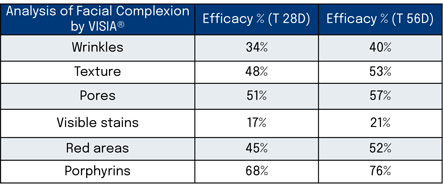
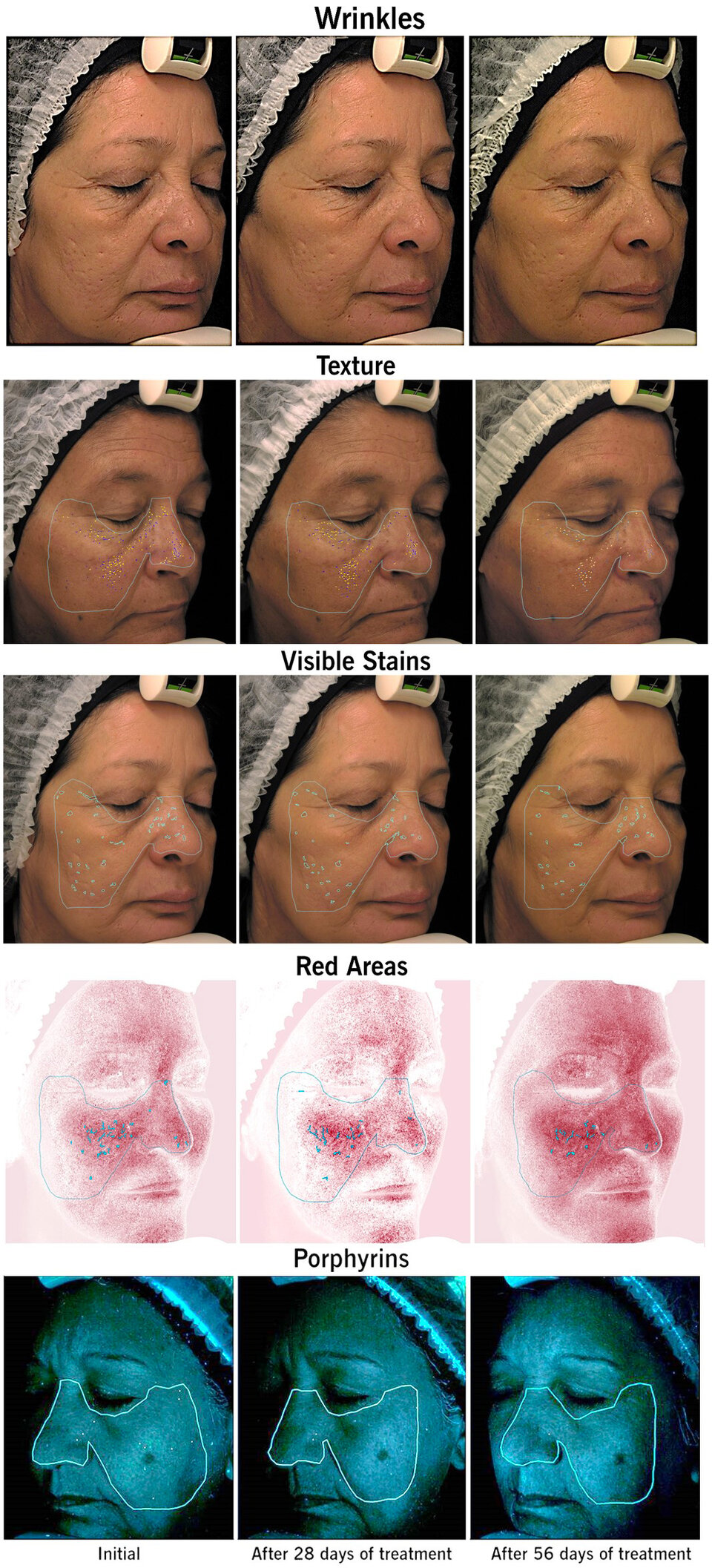
A double-blind, placebo-controlled trial was conducted with 20 women aged 51–59 years, who applied 2% C. asiatica secretome to the crow’s feet area twice daily for 28 and 56 days. Skin firmness and elasticity were measured using Cutometer® MPA-580 (Microcaya, Spain). Elasticity Rejuvenation Index (ERI) was calculated using Takema’s correlation model against a reference group of younger volunteers (20–25 years). Skin complexion was assessed using VISIA® imaging under standard light settings. Data were analyzed using paired t-tests and ANOVA, with significance set at p < 0.05.
Hair density and growth promotion by the secretome of Curcuma longa
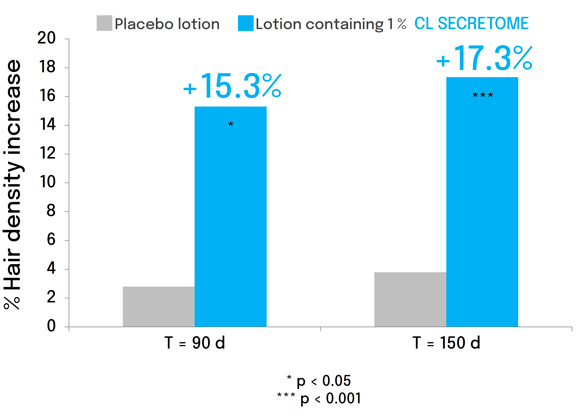
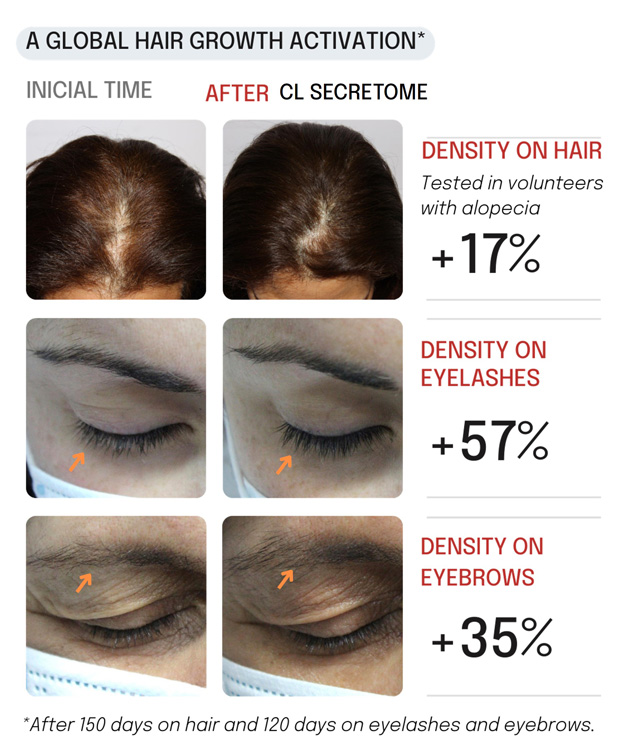
A 150-day randomizedplacebo-controlled clinical study was performed in 40 participants (18–60 years) experiencing various forms of hair loss. Subjects were randomly assigned to treatment groups. The study was double-blinded. Subjects applied either placebo or 1% C. longa secretome daily. Hair growth was monitored using trichogram analysis and hair density was quantified by TrichoScan® (Tricholog GmbH, Germany), calculating hair count per cm² at baseline, 90 days, and 150 days.
Analysis of eyelash and eyebrow density increase
Volunteers applied C. longa secretome gel to eyelashes and eyebrows twice daily for up to 150 days. A validated photonumeric scale was used for density scoring: the Global Eyelash Assessment (GEA) and Global Eyebrow Assessment (GEBA), both ranging from 1 (sparse) to 4 (dense). Evaluations were conducted at predefined intervals.
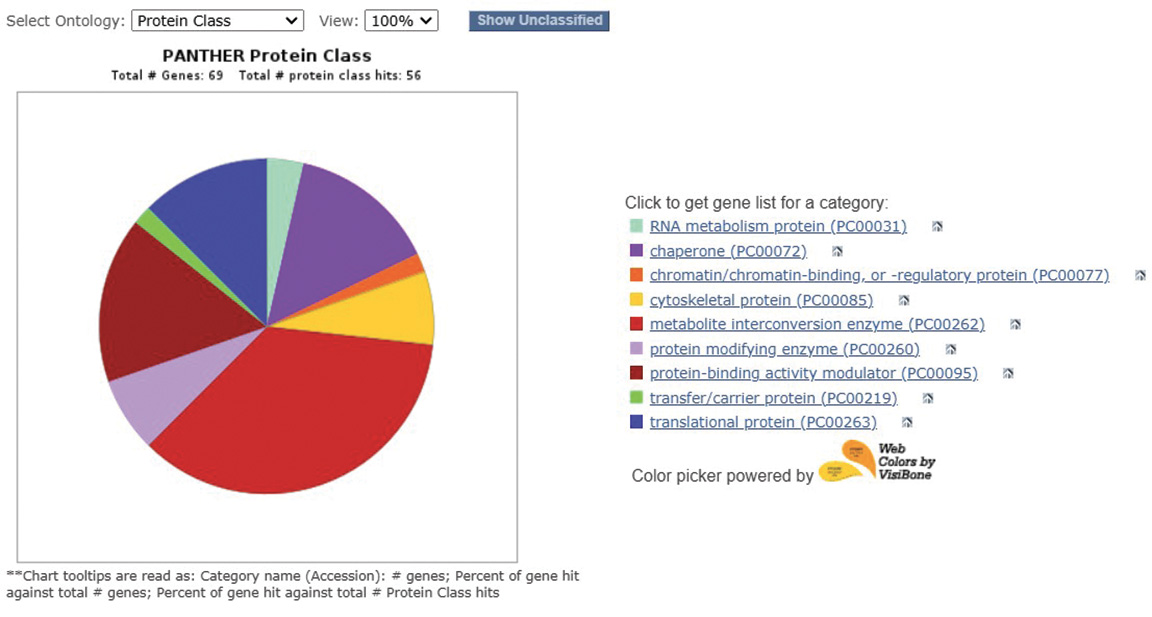
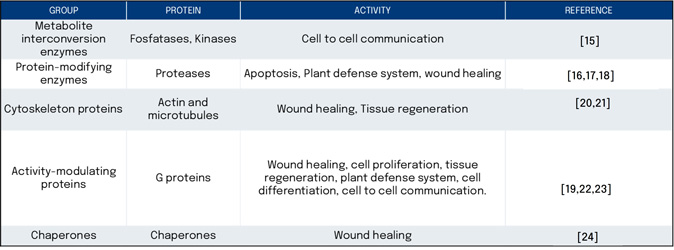
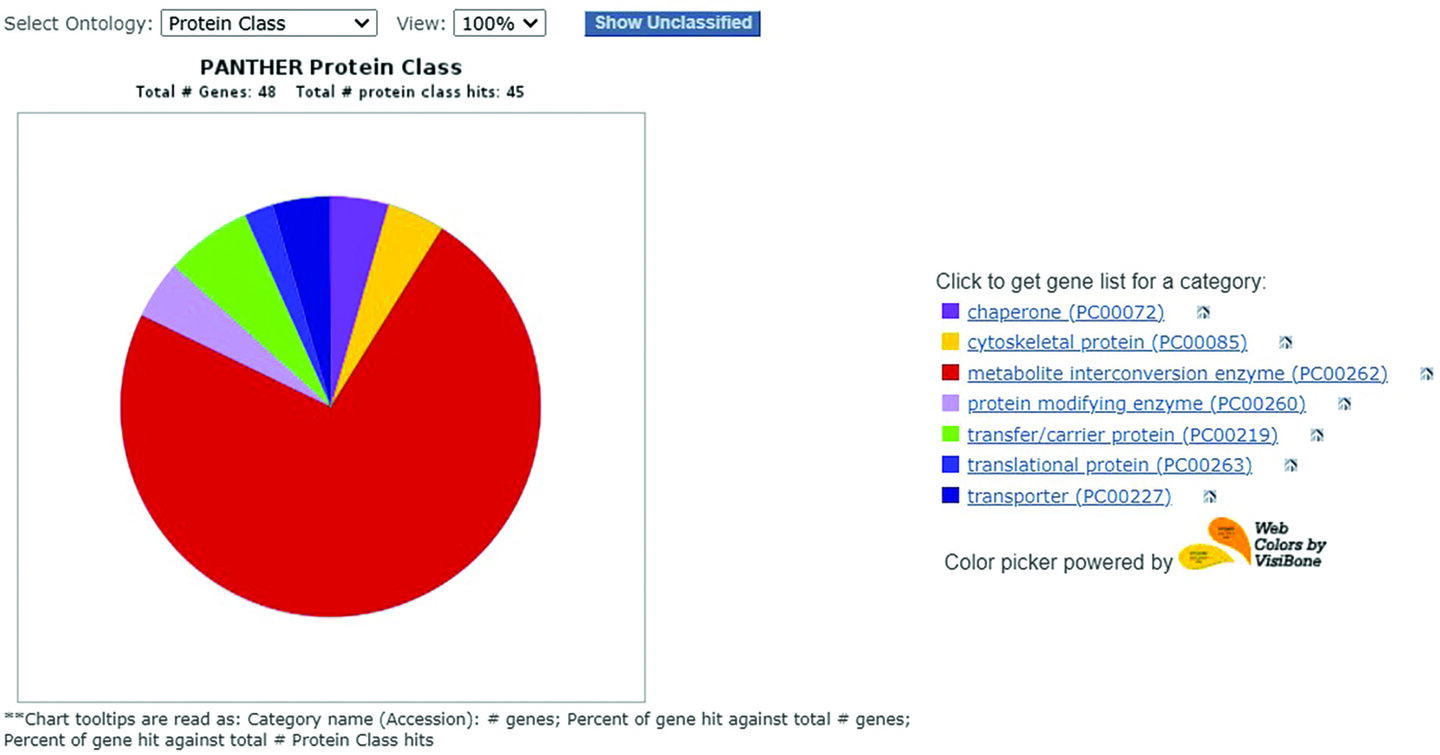
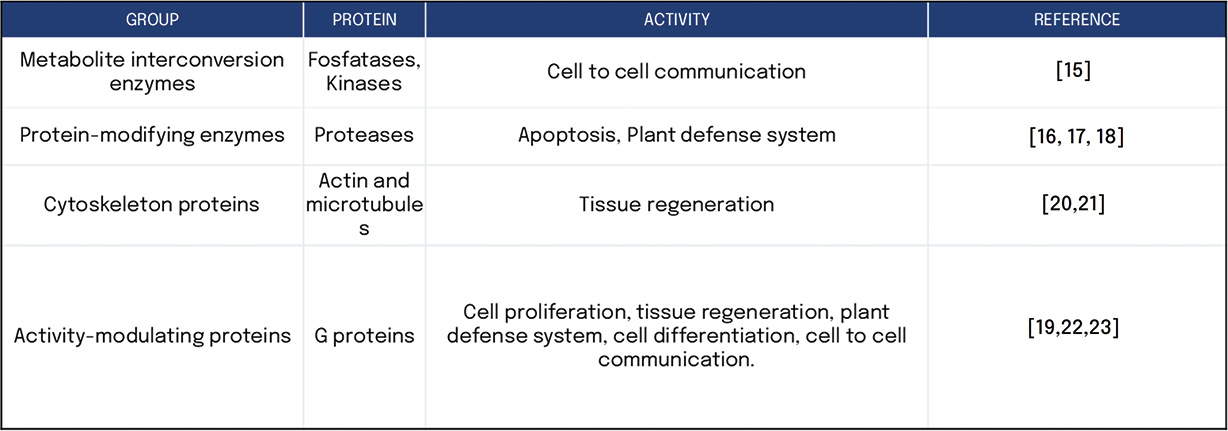
Figure 1. Protein characterization of Centella asiatica by means of PANTHER DB software. The study utilized the model plant Arabidopsis thaliana as a basis. Protein annotations were based on homology to Arabidopsis thaliana sequences.
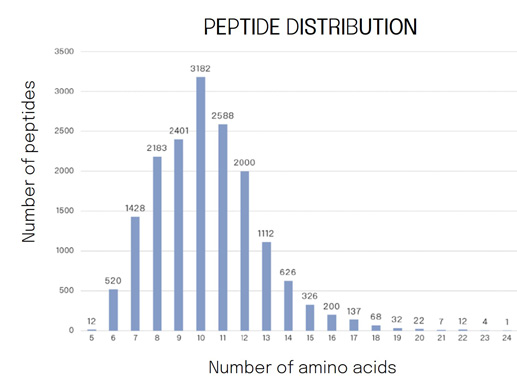
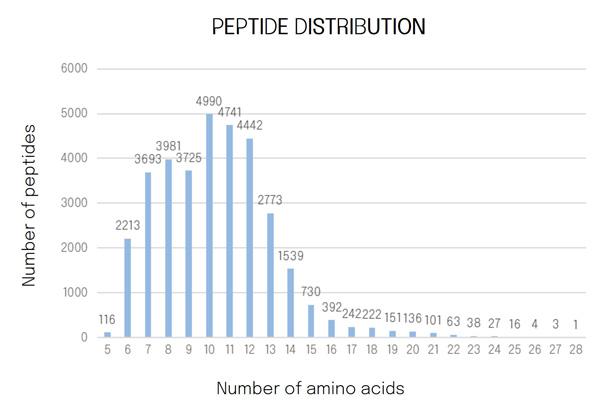
The C. asiatica secretome was tested on human dermal fibroblasts (HDFs) under serum-starved conditions to assess its ability to stimulate key dermal matrix components. At a concentration of 0.01%, the treatment led to a 34% increase in pro-collagen I and a 26% rise in elastin synthesis versus untreated controls (Figure 5, A-B).
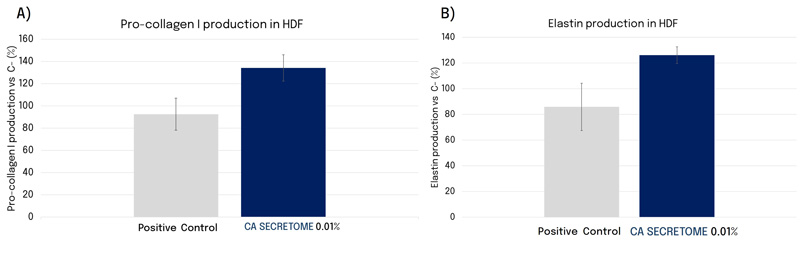
Figure 5 (A-B). The effect of Centella asiatica was 0.01% in HDF regarding pro-collagen I and elastin production compared to the positive control. A 72h treatment was performed. Pro-collagen I and elastin synthesis were measured by ELISA (triplicates) means. Positive control is the benchmark gold standard.
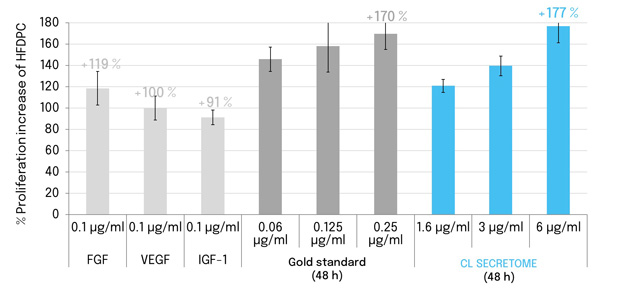
Figure 6. Proliferation index (%) on treated HFDPC normalized by non-treated cells. HFDPC were treated with different growth factors (FGF, IGF, and VEGF), gold standard, or the secretome of CL cell culture for 24 h and 48 h. Results are normalized to untreated control cells.
Furthermore, C. longa secretome significantly stimulated Insulin Growth Factor (IGF-1) production release in HFDPCs within 24 hours, with up to 115% increase relative to untreated cells. This growth factor is known to regulate follicular development and anagen phase induction, further highlighting the regenerative potential of the secretome (Figure 7).
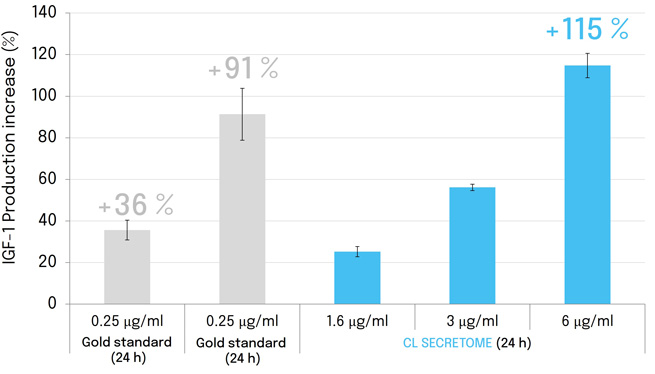
Figure 7. CL secretome effect on IGF-1 secretion of HFDPC after 24 h and 4 8h of treatment. Percentage of IGF-1 release in treated-HFDPC are normalized by non-treated cells.
In vivo assays
Anti-aging potential of the secretome of Centella asiatica
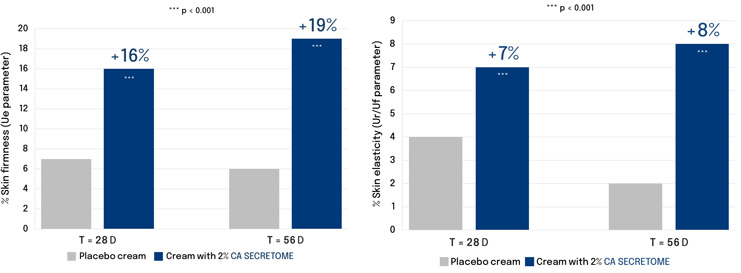
A placebo-controlled, double-blind clinical trial was conducted on women aged 51–59 to assess anti-aging efficacy of C. asiatica secretome. Firmness and elasticity were quantified using a Cutometer®. After 28 days, skin firmness improved by 36% and reached 46% by day 56. Elasticity demonstrate parallel gains of 21% (Figure 8, A-B).
To complement these biomechanical improvements, we calculated the Elasticity Rejuvenation Index (ERI) using Takema’s method. Compared to a young reference group (aged 20–25), ERI scores revealed a 12% rejuvenation effect after 28 days (equivalent to 3.6 years of visual age reduction), increasing to 14% after 56 days (4 years reduction).
Conclusion
References and notes
- Lo, J.H., Chen, T.T., Production of bioactive recombinant human Eb-peptide of pro-IGF-I and identification of binding components from the plasma membrane of human breast cancer cells (MDA-MB-231), Exp. Cell. Res., 362 (2018) Jan, 235-243.
- Xiong, R., Chen, J., Chen, J., Secreted expression of human lysozyme in the yeast Pichia pastoris under the direction of the signal peptide from human serum albumin, Biotechnol. Appl. Biochem., 51 (2008) Nov, 129-134.
- Murphy, E., Smith, S., De Smet, I., Small Signaling Peptides in Arabidopsis Development: How Cells Communicate Over a Short Distance, Plant Cell, 24 (2012) Aug, 3198-3217.
- Oh, E., Seo, P.J., Kim, J., Signaling Peptides and Receptors Coordinating Plant Root Development, Trends Plant Sci., 23 (2018) Jan, 337-351.
- Vasil, I. K., Vasil, V., Redway, F., Plant regeneration from embryogenic calli, cell suspension cultures and protoplasts of Triticum aestivum L.(Wheat), in: Nijkamp, H.J.J., Van Der Plas, L.H.W., Van Aartrijk, J. (Eds.), Progress in Plant Cellular and Molecular Biology. Current Plant Science and Biotechnology in Agriculture, 9, Springer, Dordrecht, The Netherlands, pp. 33-37.
- Vasil, V., Vasil, I.K., The Ontogeny of Somatic Embryos of Pennisetum americanum (L.) K. Schum. I. In Cultured Immature Embryos, Bot. Gazette, 143 (1982) Dec, 454-465.
- Jones, T.J, Rost, T.L., The Developmental Anatomy and Ultrastructure of Somatic Embryos from Rice (Oryza sativa L.) Scutellum Epithelial Cells, Bot. Gazette, 150 (1989) Mar, 41-49.
- Xie, H., Zhao, W., Li, W., Zhang, Y., Hajný, J., Han, H., Small signaling peptides mediate plant adaptions to abiotic environmental stress, Planta, 255 (2022) Feb, article 72.
- Walton, J. D., Luo, H., & Hallen-Adams, H. (2012). Chapter Four – Ribosomally encoded cyclic peptide toxins from mushrooms. In D. A. Hopwood (Ed.), Methods in Enzymology (Vol. 516, pp. 63–77). Academic Press. https://doi.org/10.1016/B978-0-12-394291-3.00025-3”
- Ngoc, L.T.N., Moon, J-Y., Lee, Y-C., Insights into Bioactive Peptides in Cosmetics, Cosmetics, 10 (2023) Aug, article 111.
- Mergner, J. et al., Mass-spectrometry-based draft of the Arabidopsis proteome, Nature, 579 (2020) Mar, 409–414.
- Takahashi, F., Hanada, K., Kondo, T., Shinozaki, K., Hormone-like peptides and small coding genes in plant stress signaling and development, Curr. Opin. Plant Biol., 51 (2019) Oct, 88-95.
- Woo, D.U. et al., RiceProteomeDB (RPDB): a user-friendly database for proteomics data storage, retrieval, and analysis, Sci. Rep., 14 (2024) Feb, article 3671.
- Halperin, W., Jensen, W.A., Ultrastructural changes during growth and embryogenesis in carrot cell cultures, J. Ultrastruct. Res., 18 (1967) May, 428-443.
- Nguyen, L.K. et al., Signalling by protein phosphatases and drug development: a systems‐centred view, FEBS J., 280 (2013) Jan, 751–765.
- Salvesen, G.S. et al., Protease signaling in animal and plant‐regulated cell death, FEBS J., 283 (2016) Jul, 2577–2598.
- Balakireva, A.V. et al., Indispensable role of proteases in plant innate immunity, Int. J. Mol. Sci., 19 (2018) Feb, article 629.
- Toriseva, M. et al., Proteinases in cutaneous wound healing, Cell. Mol. Life. Sci., 66 (2009) Jan, 203–224.
- Doma, E. et al., EGFR-ras-raf signaling in epidermal stem cells: roles in hair follicle development, regeneration, tissue remodeling and epidermal cancers, Int. J. Mol. Sci., 25 (2013) Sep, 19361–19384.
- Abreu-Blanco, M.T. et al., Cytoskeleton responses in wound repair, Cell. Mol. Life Sci., 69 (2012) Aug, 2469–2483.
- Kopecki, Z., Cowin, A.J., The role of actin remodelling proteins in wound healing and tissue regeneration. In: Wound Healing–New Insights into Ancient Challenge, IntechOpen, Rijeka, Croatia, 2016, 1st Edition, pp. 133-154.
- Drosten, M. et al., Ras signaling is essential for skin development, Oncogene, 33 (2014) May, 2857–2865.
- Cao, H., Glazebrook, J., Clarke, J. D., Volko, S., & Dong, X., The Arabidopsis NPR1 gene that controls systemic acquired resistance encodes a novel protein containing ankyrin repeats, Cell., 88 (1997) Jan, 57-63.
- Scieglinska, D. et al., Heat shock proteins in the physiology and pathophysiology of epidermal keratinocytes, Cell Stress Chaperones, 24 (2019) Nov, 1027–1044.
About the author

Dr. Òscar Expósito Tarrés
CEO, CSO & co-founder of Vytrus Biotech
Bachelor’s Degree in Biology and PhD in Plant Biotechnology from the Faculty of Pharmacy of the University of Barcelona (Spain). There he met Albert Jané and founded Vytrus Biotech in 2009 to develop active ingredients for skin and hair care through plant biotechnology. His passion for plants has led him to be the author of more than 14 scientific articles and 7 patents in the cosmetic and pharmaceutical sector. He has participated as a speaker in +35 international academic conferences, as a professor in 7 Masters and specialization courses in the fields of biotechnology and entrepreneurship and is a member of prestigious associations such as SEQC, SCS and IFSCC. With Vytrus, he has won +23 international awards in innovation & sustainability in the cosmetic sector.


