Waterless cosmetics also known as water-free cosmetics have become one of the most significant trends in cosmetic formulation. Driven by increasing environmental awareness and the demand for more sustainable and effective products, brands are rethinking the role of water in cosmetic formulations. Traditionally, water accounts for between 70% and 90% of many products. In waterless cosmetics, it is reduced, eliminated, or replaced by ingredients with greater functional value, such as botanical oils, butters, waxes, powders, or hydrosols.
This approach is transforming product development across multiple categories, from skincare and haircare to cleansing products and color cosmetics. Solid cleansers, concentrated serums, powder masks, and water-activated formulations are just a few examples of how brands are responding to evolving consumer expectations.

Why Is Waterless Cosmetics Trending?
The popularity of waterless cosmetics is closely linked to sustainability goals. Reducing water consumption during manufacturing helps preserve a valuable natural resource while contributing to more environmentally responsible production processes. In addition, waterless products are often lighter and more compact, helping reduce packaging requirements and transportation-related emissions.
Beyond sustainability, these formulations can offer important technical advantages. By reducing inactive ingredients, products can become more concentrated, allowing higher levels of functional ingredients to be delivered to the skin or hair. Waterless formats may also require lower levels of preservatives, which can be particularly attractive for consumers seeking minimalist formulations or products designed for sensitive skin.
However, despite these benefits, waterless cosmetics are not automatically safer, more stable, or more effective. Their unique characteristics require specific testing strategies to ensure quality, safety, and performance throughout the product lifecycle.
New Formulations, New Challenges
The shift toward waterless cosmetics introduces new formulation and testing challenges.
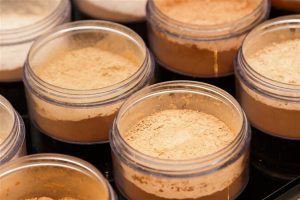
Replacing water can significantly affect texture, spreadability, sensory properties, and consumer experience. In addition, the absence of water does not eliminate the need for safety assessments. Products can still be exposed to contamination during manufacturing, storage, or consumer use. Furthermore, some waterless products are intentionally rehydrated during application, creating conditions that may favor microbial growth if not properly controlled.
For these reasons, waterless cosmetics require a tailored scientific evaluation strategy capable of addressing the specific risks and characteristics of each formulation.
How Can We Ensure the Safety of a Waterless Cosmetic?
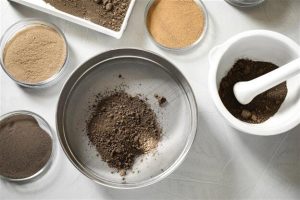
As a CRO specialized in cosmetic testing, Zurko Research supports brands in validating innovative formulations through customized safety and stability studies.
Stability testing remains essential to demonstrate that a product maintains its physicochemical properties, appearance, and performance throughout its intended shelf life. Depending on the product and target market, studies can be conducted under accelerated, real-time, or climate-specific conditions.
Microbiological evaluation is equally important. Although waterless products generally present a lower microbiological risk than conventional emulsions, contamination can still occur and must be properly assessed.
A particularly relevant parameter for these formulations is water activity (aw). Unlike total water content, water activity measures the amount of water available for microbial growth. This parameter provides valuable information about the formulation’s microbiological robustness and can support preservative strategies.
Modified challenge tests may also be required, especially for products that are rehydrated during use, such as powder masks or solid cleansers. These studies help evaluate resistance to contamination under realistic conditions and provide additional assurance of product safety.
Scientific Validation as a Competitive Advantage
As the waterless cosmetics market continues to expand, scientific substantiation is becoming increasingly important. Consumers, retailers, and regulatory authorities expect brands to support safety, efficacy, and sustainability claims with reliable evidence.
At Zurko Research, we work closely with cosmetic brands and manufacturers to develop testing strategies adapted to the specific requirements of innovative formulations. Our scientific expertise and customized approach allow us to support projects from early development through final validation and claim substantiation.
The rise of waterless cosmetics represents a valuable opportunity for innovation, but success depends on more than a novel formulation. Robust testing is essential to ensure that products are safe, stable, and capable of meeting both regulatory requirements and consumer expectations.
If you are developing a waterless product range or exploring new formulation concepts, Zurko Research can help you define the most appropriate evaluation strategy and generate the evidence needed to bring your innovation confidently to market.
Zurko
info@zurkoresearch.com
+34 91 521 15 88
www.zurkoresearch.com
Explore the advertorial in the digital edition

Modernising natural cosmetics while staying true to their core values

From Trend to Foundation: How Microbiome Is Redefining Beauty

A new era of skin health: the convergence of hygiene and protective be...

PEER REVIEWED – Mimicking Bioelectrical Stimulation: Enhancing I...

Beyond personalization: the emergence of Precision Skincare

Science or Marketing? The Momentum of Safety & Efficacy Testing a...

Communicating with Skin Cells Using RNA-Based Instructions to Improve...

The Future of Beauty: Biotechnology and the Path to Commercial Viabili...