Introduction
The global hair care market is undergoing a shift driven by the “skinification”(1) of the scalp, where consumers seek hair care routines that offer the same level of scientific sophistication as face care (2), and the rise of preventive beauty (3).
According to market data from Mintel (4), the Asia-Pacific (APAC) region is currently leading this global trend, accounting for 37% of scalp-related launches, followed closely by a rising market share in North America at 28% and a steady performance in Europe at 25%. This market growth is accompanied by escalating consumer demand for scalp barrier protection, soothing benefits, and microbiome maintenance. At the same time, global consumer studies indicate that scalp discomforts remain widespread, with consumers directly linking chronic scalp imbalances to impaired hair vitality and shedding (5, 6).
In order to keep up with consumer demand and deliver the desired effects in scalp-care products, innovative ingredients and ingredient combinations must be identified. Based on known functional properties, the following three ingredients were assessed for relevant scalp-related benefits: 1) a synergistic (7) dandruff-control blend (8) (1,2-Hexanediol, Decylene Glycol, Glycerin, Piroctone Olamine) that reinforces barrier integrity while protecting against dandruff; 2) a bio-based ester technology (Propanediol Caprylate) supporting healthier scalp with lasting effects (9, 10, 11) that prevents barrier disruption on dry scalps while seamlessly supporting product protection in scalp formulations when combined with Hydroxyacetophenone (12); and 3) a multifunctional (13) soothing antioxidant (14) (Hydroxyacetophenone) evaluated ex vivo against UV-induced oxidative stress (ROS) and in vivo for immediate and long-term scalp barrier reinforcement, hydration enhancement, and build-up control.
The complementary effects of these ingredients on scalp barrier integrity, dandruff control, itch reduction, oxidative stress, hydration, and scalp build-up are expected to contribute to improved scalp conditions.
Materials and Methods
Evaluation of a Piroctone Olamine blend for scalp
Crinipan® PO Plus, hereafter referred as the Piroctone Olamine blend, a multi-component ingredient composed of INCI: 1,2-Hexanediol, Decylene Glycol, Piroctone Olamine, Glycerin was evaluated.
Scalp Barrier Integrity (TEWL) and Dandruff Evaluation
A randomized, double-blind in-vivo study was conducted with 44 pre-selected subjects presenting dandruff. The evaluation comprised three phases: a 2-week pre-treatment conditioning phase using a similar neutral shampoo, a 4-week treatment phase using the evaluated shampoo, and a 2-week post-treatment washout phase.
During the treatment phase, the volunteers applied one of three shampoo formulations (Table 1) three times per week. Scalp parameters were assessed after the pre-treatment phase at baseline (Day 0), Day 14, Day 28, and Day 42 (representing the end of the washout period):
- Transepidermal Water Loss (TEWL): Measured instrumentally using a Tewameter® at Days 0, 14, 28, and 42 to assess skin barrier integrity.
- Dandruff Intensity: Evaluated using a C-Cube digital imaging device.
- Itching: Self-assessed by subjects using a standardized questionnaire scored on a 0–3 intensity scale.
Statistical analyses were performed. Firstly, a normal distribution test was carried out using a Shapiro-Wilk Test. If the data have a normal distribution, then a paired Student’s T-test is performed. If the data have a non-normal distribution, a rank sum test method is used for the statistical analysis. A two-tailed p-value of less than 0.05 (p<0.05) was considered statistically significant.
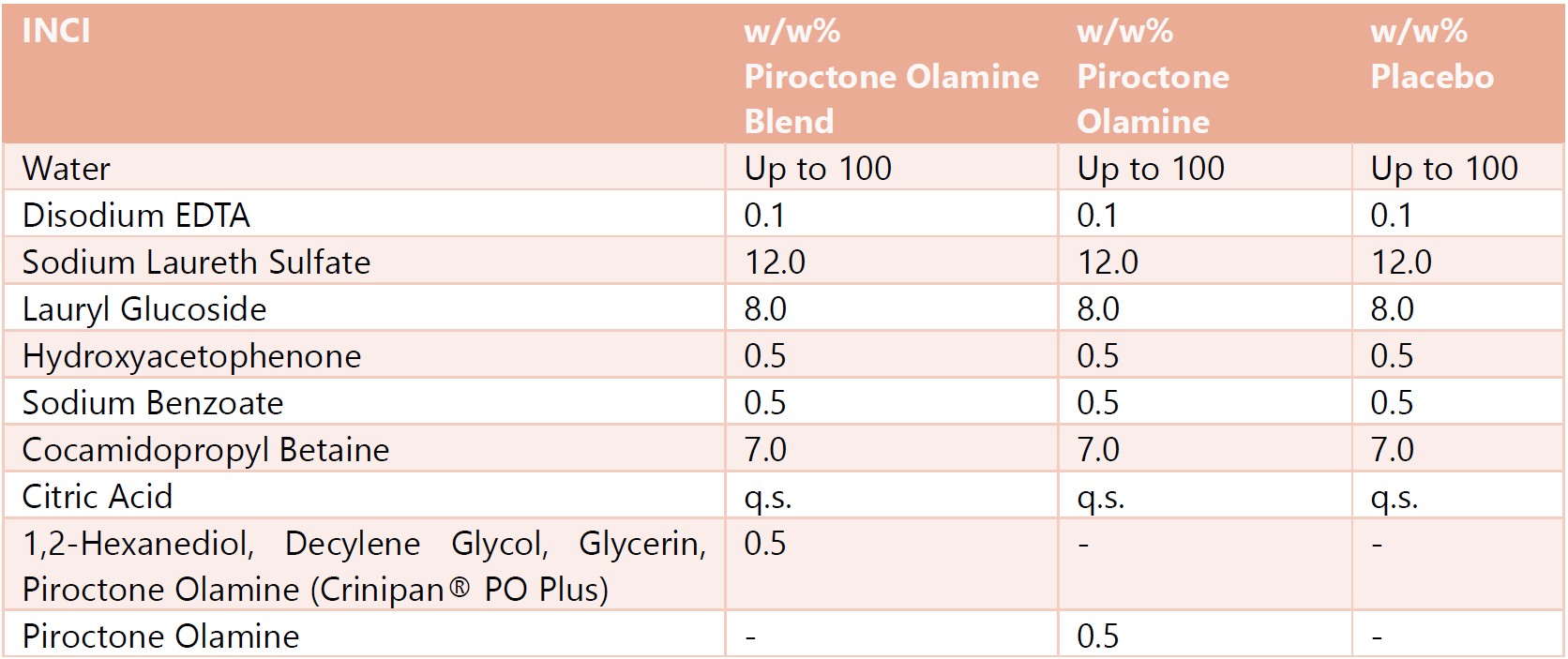
Table 1. Shampoo formulations evaluated.
Evaluation of an ester technology for scalp
Crinipan® PMC green, INCI: Propanediol Caprylate, a new ester technology for scalp was evaluated.
Scalp Barrier Integrity on Dry Scalp (TEWL)
An in-vivo study was conducted to assess the skin barrier integrity of dry scalps. 20 pre-selected volunteers presenting with dry scalps – as per expert rating – underwent a 14-day conditioning period using a neutral market shampoo. Following conditioning, the subjects were divided into two parallel groups (n=10 per group) and instructed to apply a test shampoo (Table 2) at least three times per week for 6 weeks (42 days).
- Group 1 evaluated: a shampoo with 0.5% Propanediol Caprylate + 0.25% Piroctone Olamine
- Group 2 evaluated: a shampoo with 0.75% Piroctone Olamine
Scalp barrier integrity was determined by measuring TEWL instrumentally with a Tewameter® TM Nano at baseline (Day 0) and Day 42.
Statistical analyses were performed. Firstly, a normal distribution test was carried out using a Shapiro-Wilk Test. If the data have a normal distribution, then a paired Student’s T-test is performed. If the data have a non-normal distribution, a rank sum test method is used for the statistical analysis. A two-tailed p-value of less than 0.05 (p<0.05) was considered statistically significant.
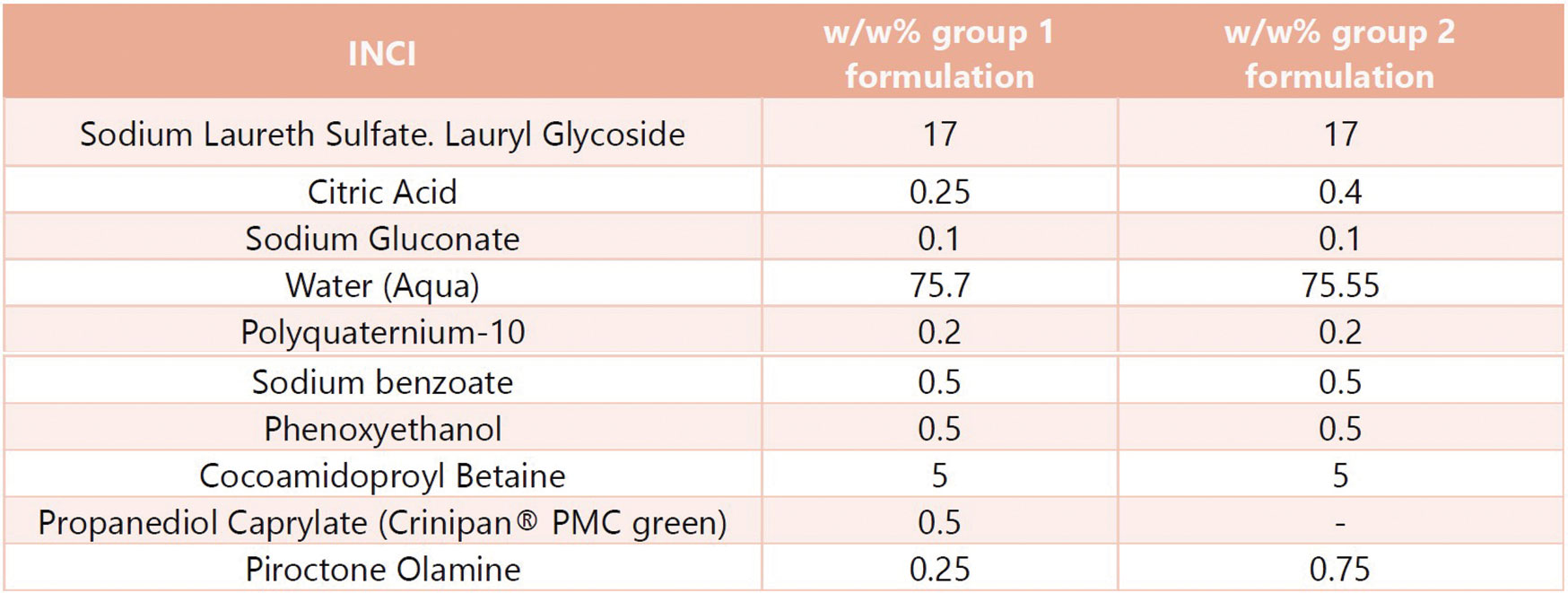
Table 2. Shampoo formulations evaluated.
Evaluation of an antioxidant for scalp
Symsave®H, INCI: Hydroxyacetophenone, a multifunctional product protection ingredient (15) with an excellent safety profile (16) known for its soothing and antioxidant benefits (17) was evaluated.
Antioxidant Protection of the Scalp
To evaluate the efficacy of Hydroxyacetophenone to protect against environmental oxidative stress, an ex vivo human scalp culture model was utilized. Freshly collected human scalp fragments from elective surgical procedures were sectioned into specimens and maintained in culture medium at controlled temperature and CO2 level for up to 24 hours prior to treatment.
Two distinct scalp care regimens were evaluated (Table 3):
- Treatment A (Verum): Sulfate-free shampoo A + scalp serum A
- Treatment B (Placebo): Sulfate-free shampoo B + scalp serum B
During the initial phase, the respective shampoo formulations were applied to the explants for a defined time, followed by a rinse. The corresponding scalp serums were then applied at the same dosage, and tissues were cultured for 48 hours.
Following incubation, scalp explants were exposed to a controlled ultraviolet (UV) irradiation dose to induce intracellular oxidative stress. Immediately after irradiation, a second application of the respective shampoo-serum regimen was performed, and tissues were incubated for an additional 24 hours.
Intracellular reactive oxygen species (ROS) production was quantified using the fluorescent probe dichloro-dihydro-fluorescein diacetate (DCFH-DA). Histological sections were stained with DCFH-DA and evaluated via fluorescence microscopy. Fluorescence intensity was quantified and expressed in arbitrary units (A.U.).
Statistical analysis was performed using ordinary one-way ANOVA. Normality was assessed using the Shapiro–Wilk test applied to the ANOVA residuals. Differences with p<0.05 were considered statistically significant.
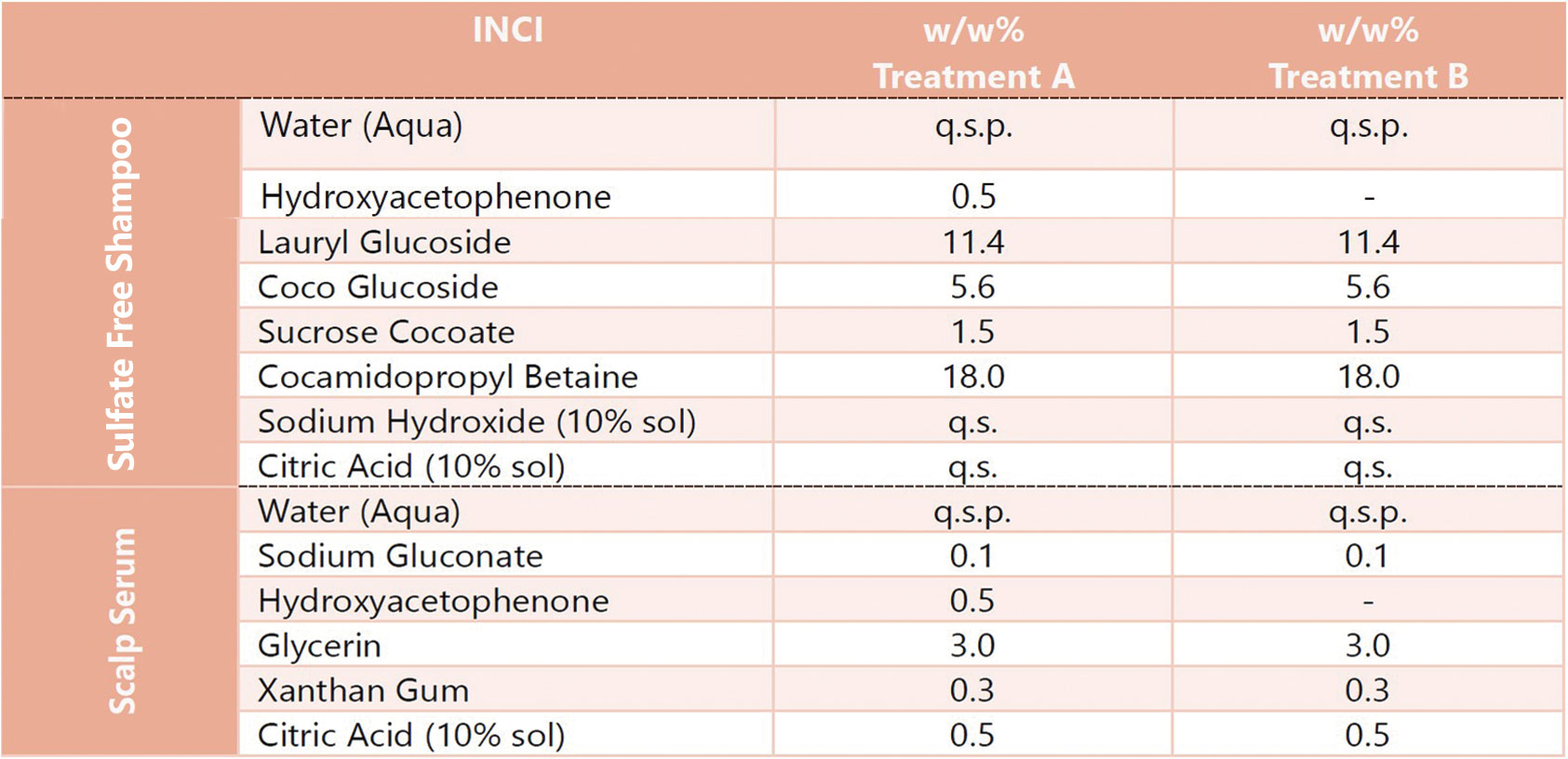
Table 3. Shampoo & serum formulations evaluated.
Scalp Barrier Integrity (TEWL), Hydration and Scalp Build-Up Reduction
A randomized, double-blind, placebo-controlled in-vivo study was conducted on 45 volunteers (age range 18–60 years) presenting signs of scalp discomfort, flaking, dryness, and barrier impairment.
Following a 7-day washout period using a standardized neutral shampoo, participants were randomized into two parallel treatment groups:
- Placebo Group (n=23): Applied placebo shampoo (three times per week) and placebo serum (daily) (Table 4) Treatment B
- Verum Group (n=22): Applied shampoo (three times per week) and scalp serum (daily) containing 0.5% Hydroxyacetophenone (Table 4) Treatment A
At baseline (Day 0), 2 hours post application, and after 14 days of home use, the following non-invasive instrumental assessments were performed:
- Scalp Barrier Integrity: Transepidermal water loss (TEWL) was measured using a Tewameter® TM Nano.
- Stratum Corneum Hydration: Scalp surface water content was measured via corneometry.
- Scalp Build-Up and Desquamation: Visible sebum and product accumulation were assessed using high-resolution microimaging (Visioscan® VC20 Plus) and graded on a standardized five-point scale (1 = none, 5 = severe).
Statistical analyses were performed. Firstly, a normal distribution test was carried out using a Shapiro-Wilk Test. If the data have a normal distribution, then a paired and unpaired Student’s T-test is performed. If the data have a non-normal distribution, a Wilcoxon test for paired data or the Mann-Whitney test for independent data is used for the statistical analysis. For all statistical analyses, the threshold for significance was set at p<0.05.
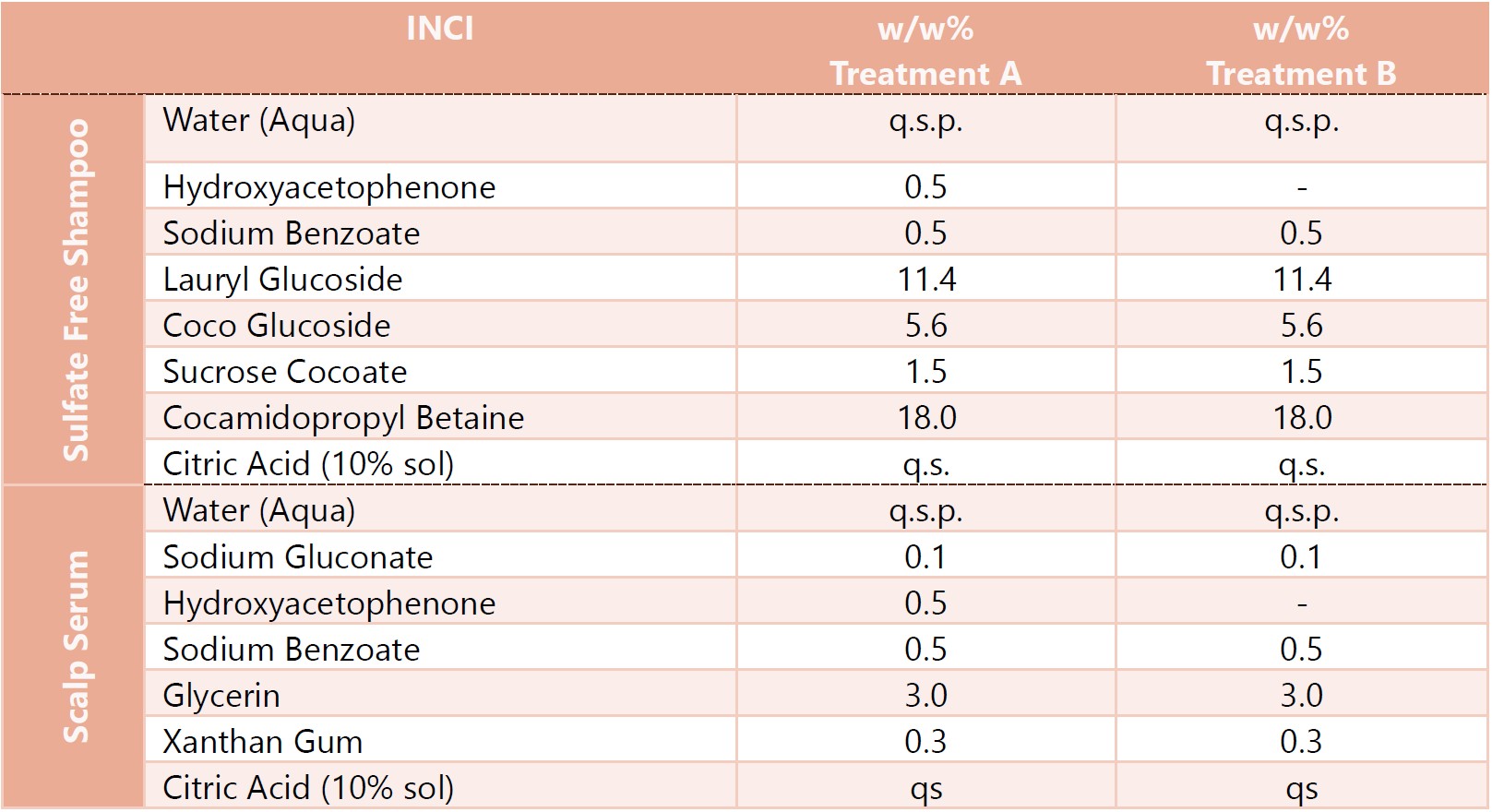
Table 4. Shampoo & serum formulations evaluated.
Results & Discussion
Scalp barrier improvement, dandruff control and itch reduction using the Piroctone Olamine blend
The data obtained for the three products showed a normal distribution (Shapiro–Wilk test, p>0.05); therefore, statistical significance was assessed using a paired Student’s t-test versus Day 0 (baseline).
Measurements of TEWL (Figure 1) showed that the shampoos containing 0.5% of the Piroctone Olamine blend or 0.5% Piroctone Olamine systematically reinforced the scalp barrier. At Day 28, subjects using the Piroctone Olamine blend experienced a significant 23% reduction in TEWL compared to baseline (Day 0) (p<0.01 vs. placebo).
At the end of the 2-week washout phase (day 42), the scalp barrier protective effect was sustained and demonstrated a smaller relapse compared to Piroctone Olamine with an 18% TEWL reduction compared to Day 0 (p<0.01 vs. placebo).
These results demonstrate that the Piroctone Olamine blend supports a healthier scalp by improving scalp barrier function and reducing its relapse.
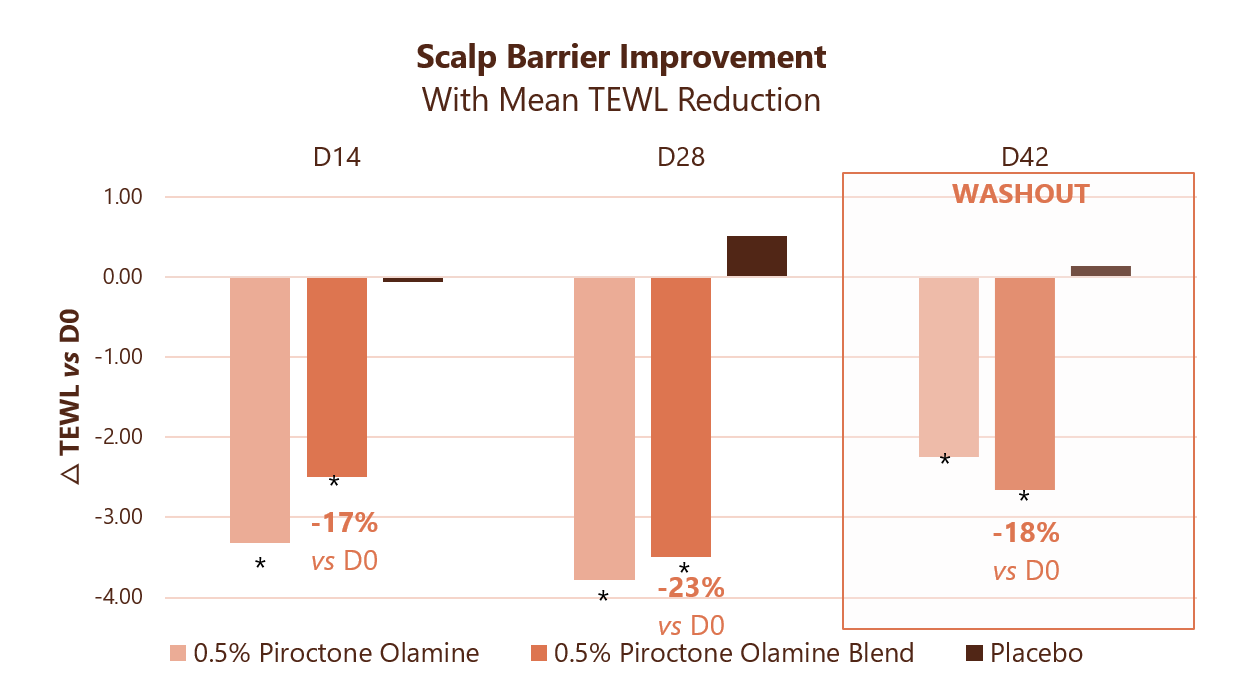
Figure 1. Mean TEWL reduction (Δ TEWL vs D0) at day 14, day 28, and after washout (day 42) fora shampoo with 0.5% Piroctone Olamine or 0.5% of the blend or Placebo. *significantly different than placebo (p<0.01).
The dandruff evaluation showed that the Piroctone Olamine blend formulation achieved a statistically significant reduction in dandruff compared to placebo peaking at -27.41% on Day 28. This reduction of dandruff was maintained after the washout with a reduction of -25.61% at Day 42 (p<0.01 vs. placebo). In comparison, the positive control group showed less reduction and a stronger relapse during the washout period (Figure 2).
This evaluation demonstrated that the Piroctone Olamine blend offers stronger and lasting protection against dandruff compared to the single ingredient.
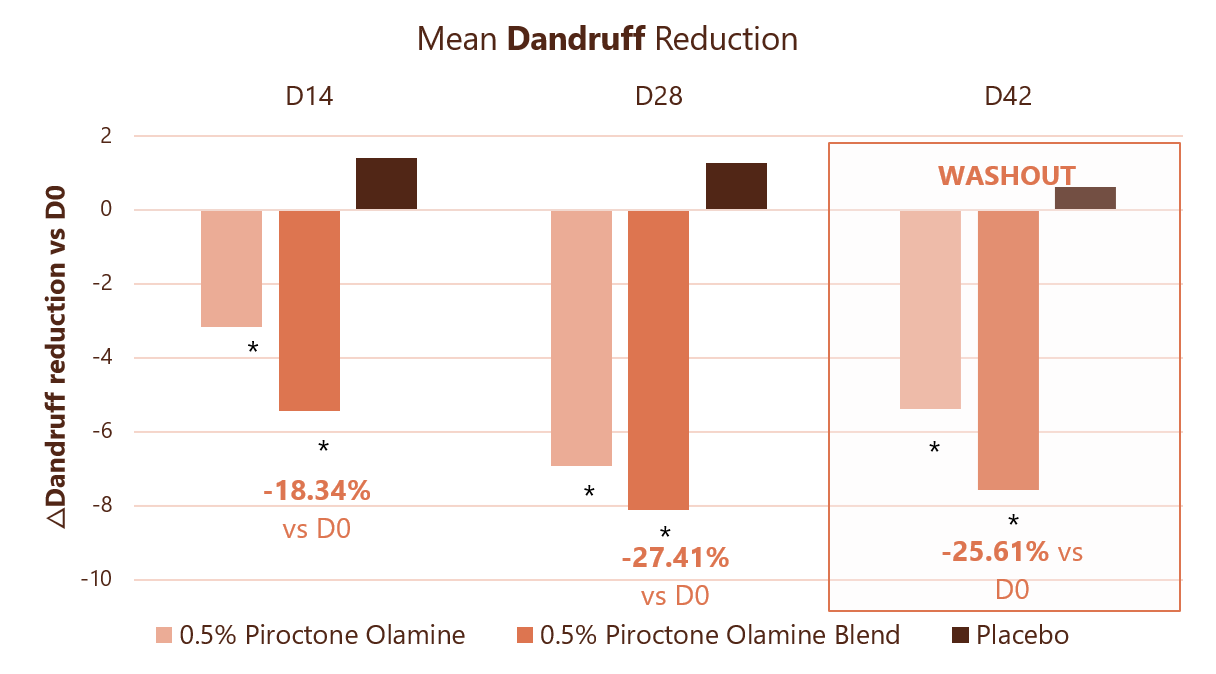
Figure 2. Mean Dandruff Reduction (Δ Dandruff vs D0) measured via C-Cube device at day 14, 28, and 42 (after a 2 weeks washout). *significantly different than placebo (p<0.01).
In addition, subject self-assessments in scalp itching (Figure 3) revealed that the shampoo containing the Piroctone Olamine blend achieved a 68% reduction in itching by Day 14, peaked at an 83% reduction at Day 28, and maintained a 73% reduction through the washout phase (Day 42), showing stronger reduction than the positive control.
These results showed that the Piroctone Olamine blend offers improved protection against itch.
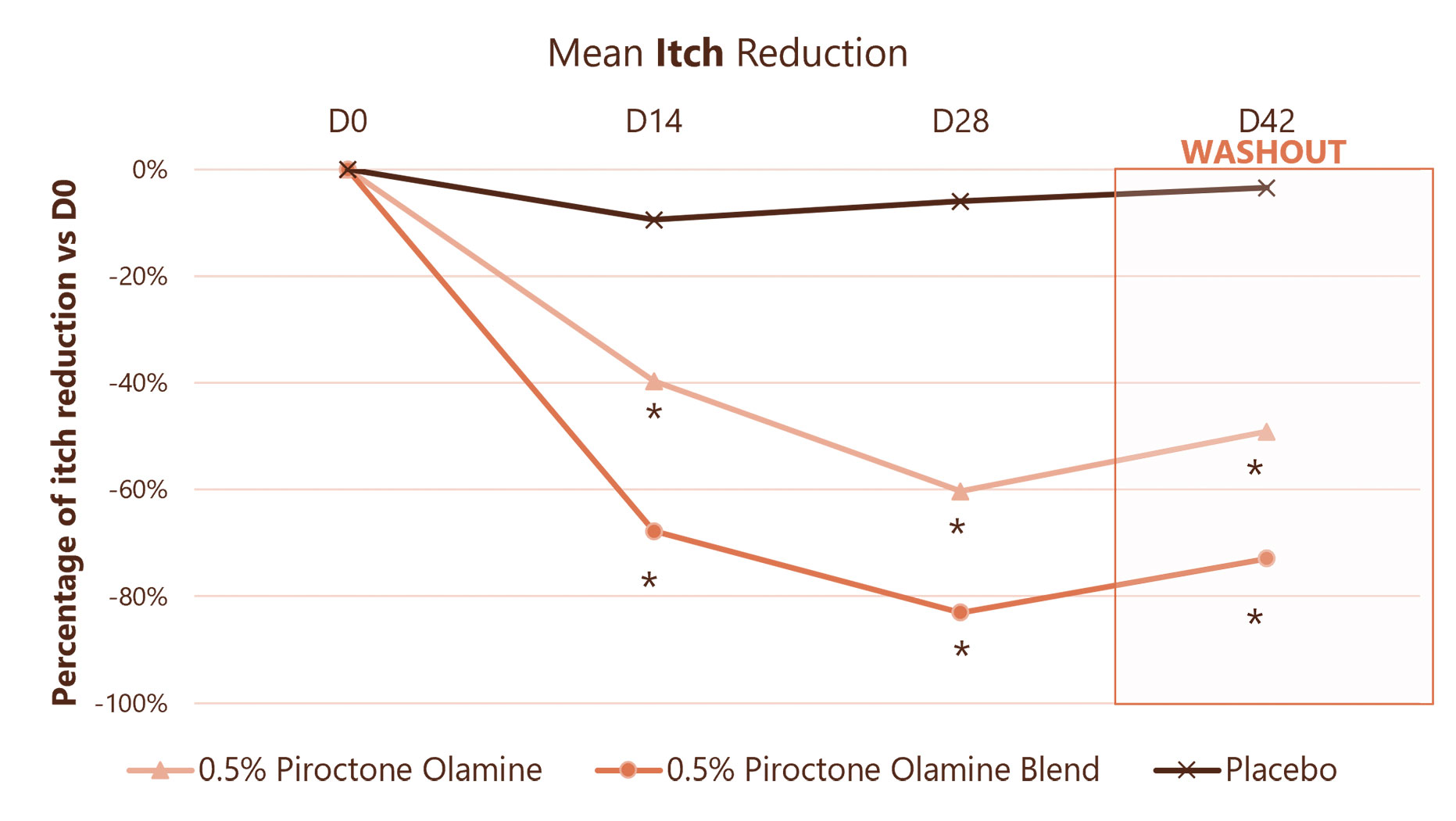
Figure 3. Mean Itch Reduction (% reduction vs D0) self-assessed through a questionnaire at day 14, 28, and 42 (after the 2 weeks washout). *significantly different than placebo (p<0.01).
By combining powerful dandruff control and lasting itch control with active barrier function improvement, the Piroctone Olamine blend supports a lasting healthier scalp, addressing the modern consumer expectation for high-performance cosmetic products supporting daily scalp comfort.
Scalp barrier integrity and product protection using the ester technology Propanediol Caprylate
Scalp Barrier Integrity on Dry Scalp (TEWL)
The data obtained showed a normal distribution (Shapiro–Wilk test, p>0.05); therefore, statistical significance was assessed using a paired Student’s t-test versus Day 0 (baseline).
Following a period of 42 days in which the product was used 3 times per week dd, volunteers who applied the shampoo containing 0.75% Piroctone Olamine alone exhibited a 7% increase in TEWL compared to baseline (Figure 4), indicating that high concentrations of traditional dandruff control actives can trigger sub-clinical barrier irritation on dry, sensitive scalps.
Subjects using the shampoo formulated with a combination of 0.5% Propanediol Caprylate and a lower dose of 0.25% Piroctone Olamine experienced a highly significant 12% reduction in TEWL. Demonstrating that the inclusion of Propanediol Caprylate actively counteracts barrier disruption.
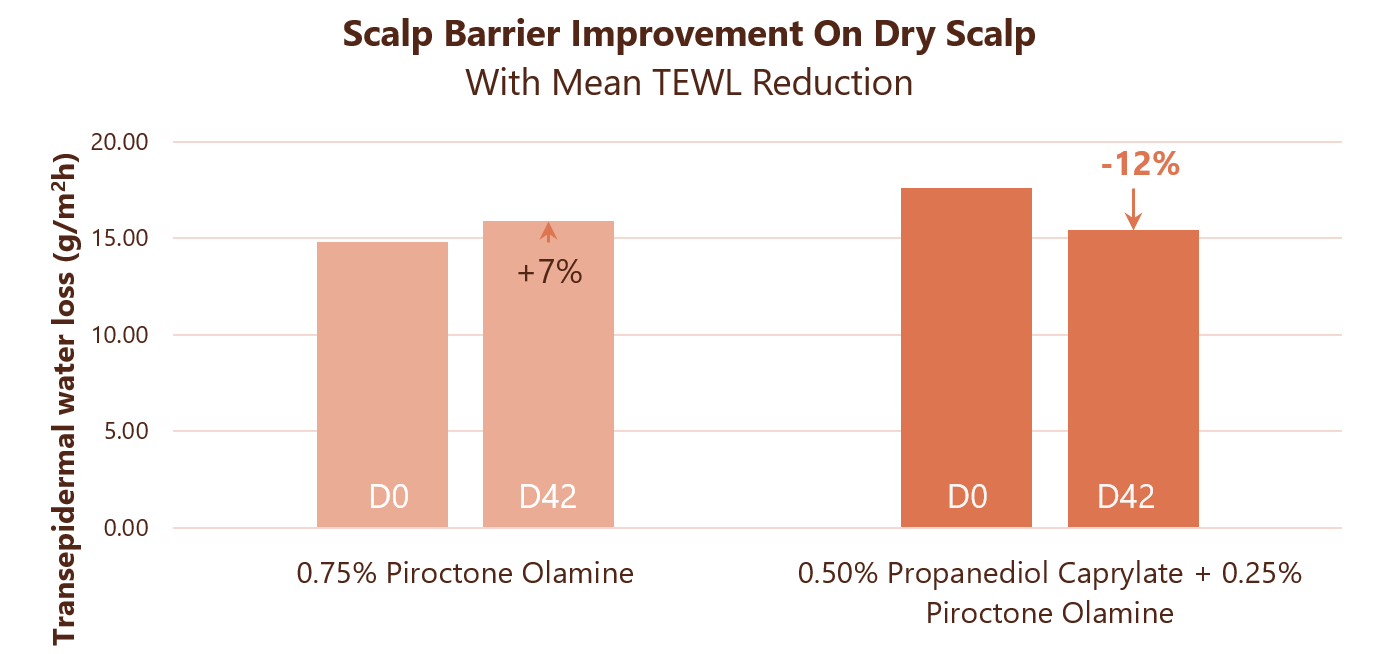
Figure 4. Transepidermal water loss (TEWL) measurements on dry scalp at Day 0 and Day 42 comparing 0.75% Piroctone Olamine alone vs. 0.50% Propanediol Caprylate + 0.25% Piroctone Olamine, no significant different p>0.05.
None of the products showed a statistical reduction of the trans-epidermal water loss, however there is a trend for the combination of Propanediol Caprylate and Piroctone Olamine for a reduction of the TEWL and therefore an improvement of scalp barrier function.
Scalp protection against oxidation and build-up with improvement of scalp barrier and hydration when using Hydroxyacetophenone
Antioxidant Protection of the Scalp
The data obtained for the measurement of the fluorescence showed no significant deviation from normality (W = 0.9453; p = 0.2141). Therefore, the assumptions for the use of ordinary one-way ANOVA were considered acceptable for this dataset.
The human scalp explant model successfully reproduced oxidative stress conditions, as exposure to the UV irradiation triggered a 170.37% increase in intracellular reactive oxygen species (ROS) relative to unexposed basal controls. Under these conditions, the Hydroxyacetophenone-containing regimen (Treatment A) demonstrated significant antioxidant efficacy, reducing ROS production by 64.28% relative to the UV-exposed control group (p < 0.001) (Figure 5).
Direct comparison demonstrated that Treatment A produced ROS levels 49.12% lower than the placebo regimen (Treatment B) (p = 0.002). These quantitative findings were confirmed by fluorescence microscopy (Figure 6), which showed markedly reduced green fluorescence in Hydroxyacetophenone-treated tissues, demonstrating reduced intracellular oxidative accumulation.
These findings confirm that Hydroxyacetophenone effectively protects scalp tissues from environmentally induced oxidative damage, addressing the modern consumer need for scalp well aging.
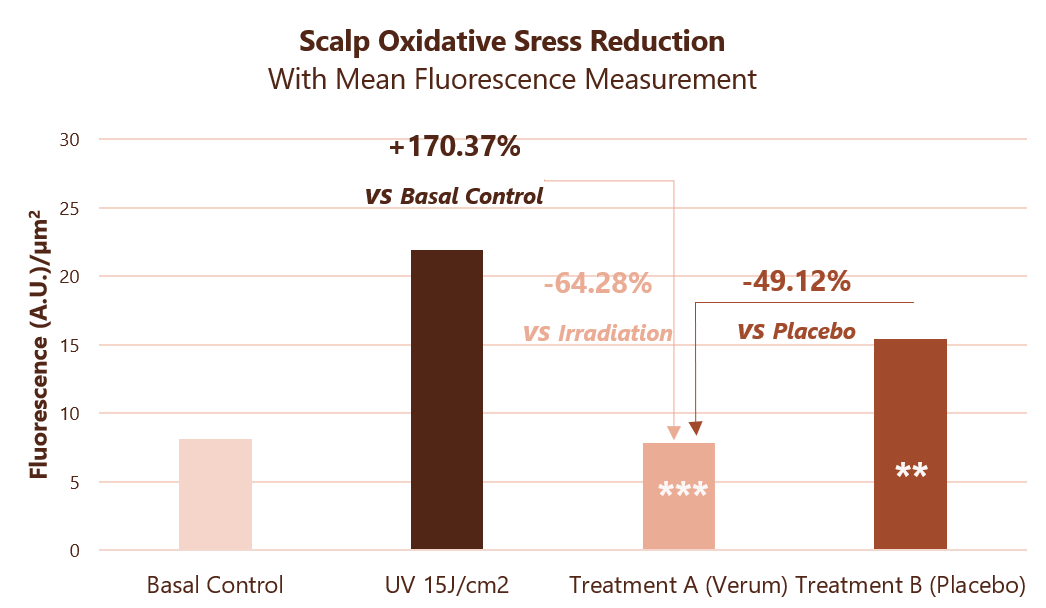
Figure 5. Mean fluorescence measurement of scalp oxidative stress 24 hours after UV exposure (irradiation). **Treatment B significantly different than basal control p<0.01 ***Treatment A significantly different than basal control p<0.001.
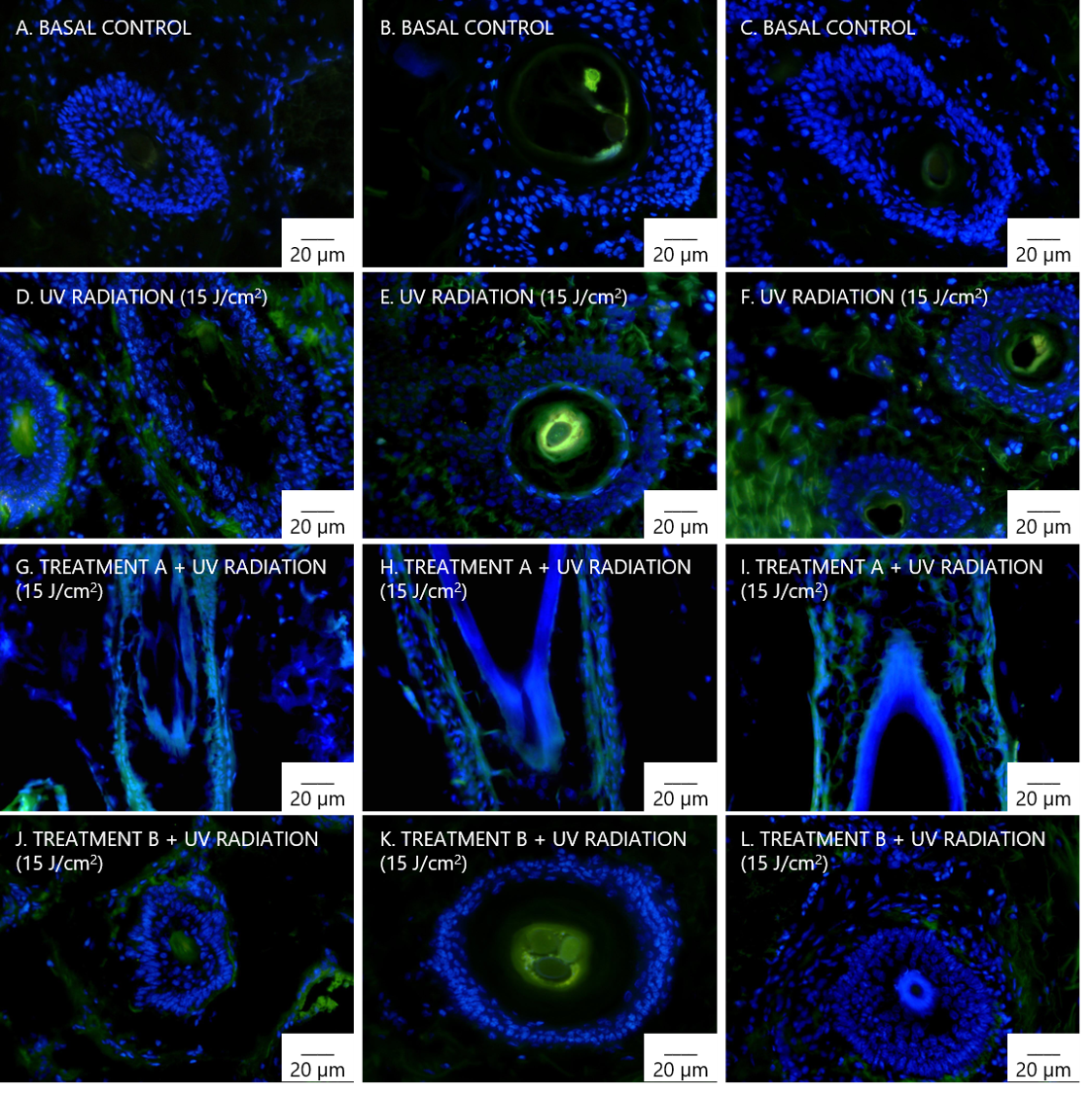
Figure 6. Fluorescence microscopy images. UV irradiation increases green fluorescence associated with ROS accumulation within scalp tissues. From top to bottom: base control, UV irradiation (15J/cm2), Treatment A (Verum), Treatment B (placebo).
Scalp Barrier Integrity (TEWL) on Dry Scalp
The data obtained for the two regimen showed a normal distribution (Shapiro–Wilk test, p>0.05); therefore, statistical significance was assessed using paired and unpaired Student’s t-tests.
The verum shampoo-serum regimen (Treatment A) induced a statistically significant reduction in TEWL as early as 2 hours after application (p = 0.0003), achieving a 4-fold greater reduction compared to the placebo (Figure 7).
The benefits persisted throughout the study. After 14 days of home use, Treatment A continued to significantly reduce TEWL compared with baseline (p < 0.0001; 6-fold greater reduction than placebo), corresponding to an overall 3.5% improvement in barrier integrity, confirming a lasting improvement in scalp barrier function.
Furthermore, 95% of participants exhibited improved barrier efficiency following use of the Hydroxyacetophenone regimen, compared with only 70% in the placebo group.
This clinical evaluation demonstrated that Hydroxyacetophenone supports rapid and lasting reinforcement of scalp barrier function.
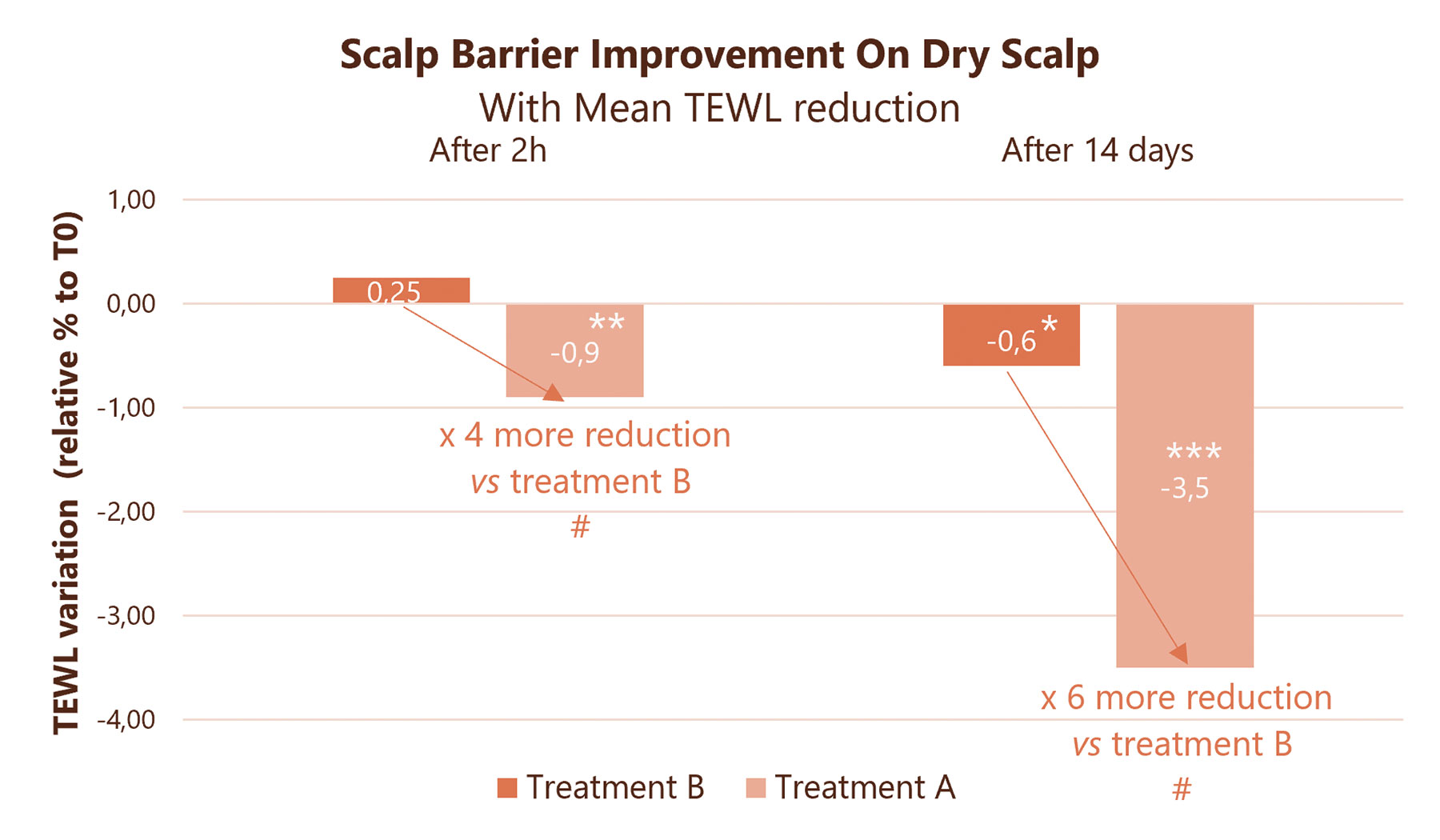
Figure 7. Mean TEWL variation (Δ TEWL vs T0) after 2h and after 14 days for use of treatment A (verum) or treatment B (placebo)#significant difference between treatment A and B (p<0.0001) *significant difference with baseline (p<0.05) **significant difference with baseline (p<0.001) ***significant difference with baseline (p<0.0001).
Scalp Hydration on Dry Scalp
A healthy scalp barrier is closely associated with optimal hydration levels, reducing tight sensations.
Homogeneity of variances was assessed using the Brown–Forsythe test, which showed no significant heterogeneity among the groups (F(3,20) = 1.345; p = 0.2881) ; therefore, statistical significance was assessed using paired and unpaired Student’s t-tests. Already after two hours, scalp hydration increased by 25.4% compared with baseline, demonstrating a rapid moisturizing effect (Figure 8). Notably, hydration remained elevated after 24 hours, with a 7.4% increase relative to baseline, suggesting sustained moisture retention.
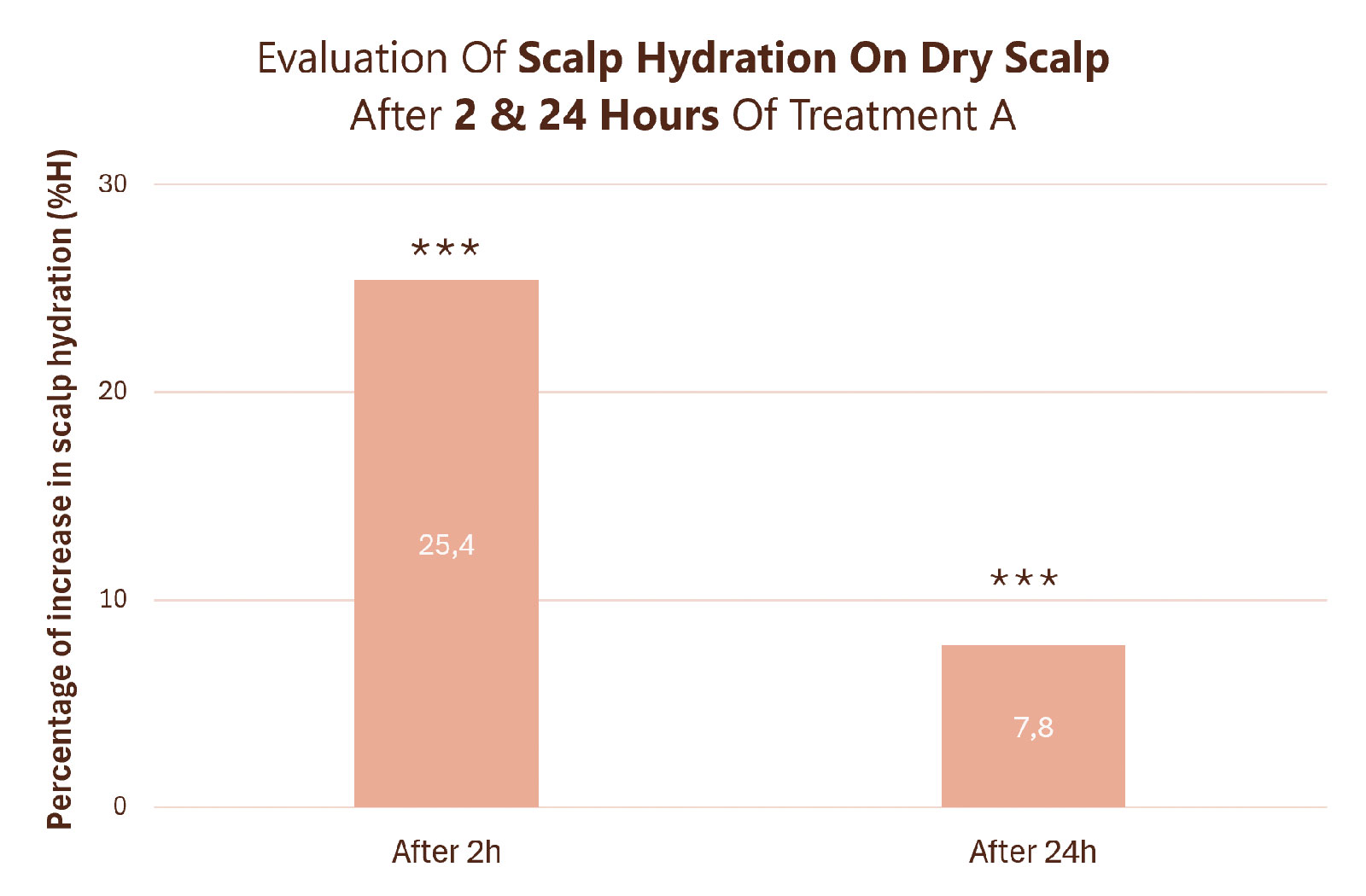
Figure 8. Percentage of increase in scalp hydration (compared to baseline) 2h and 24h after application of treatment A (verum) ***significant difference vs baseline (p<0.0001).
Longer-term use further enhanced these benefits. Following 14 days of treatment, scalp hydration increased from 7.8% to 9.3% relative to baseline values. Comparison with placebo revealed that participants using the Hydroxyacetophenone regimen achieved approximately 25% greater moisturization than those using placebo products (Figure 9).
Consistent with the scalp barrier integrity (TEWL) results, Hydroxyacetophenone also demonstrated significant moisturizing benefits.
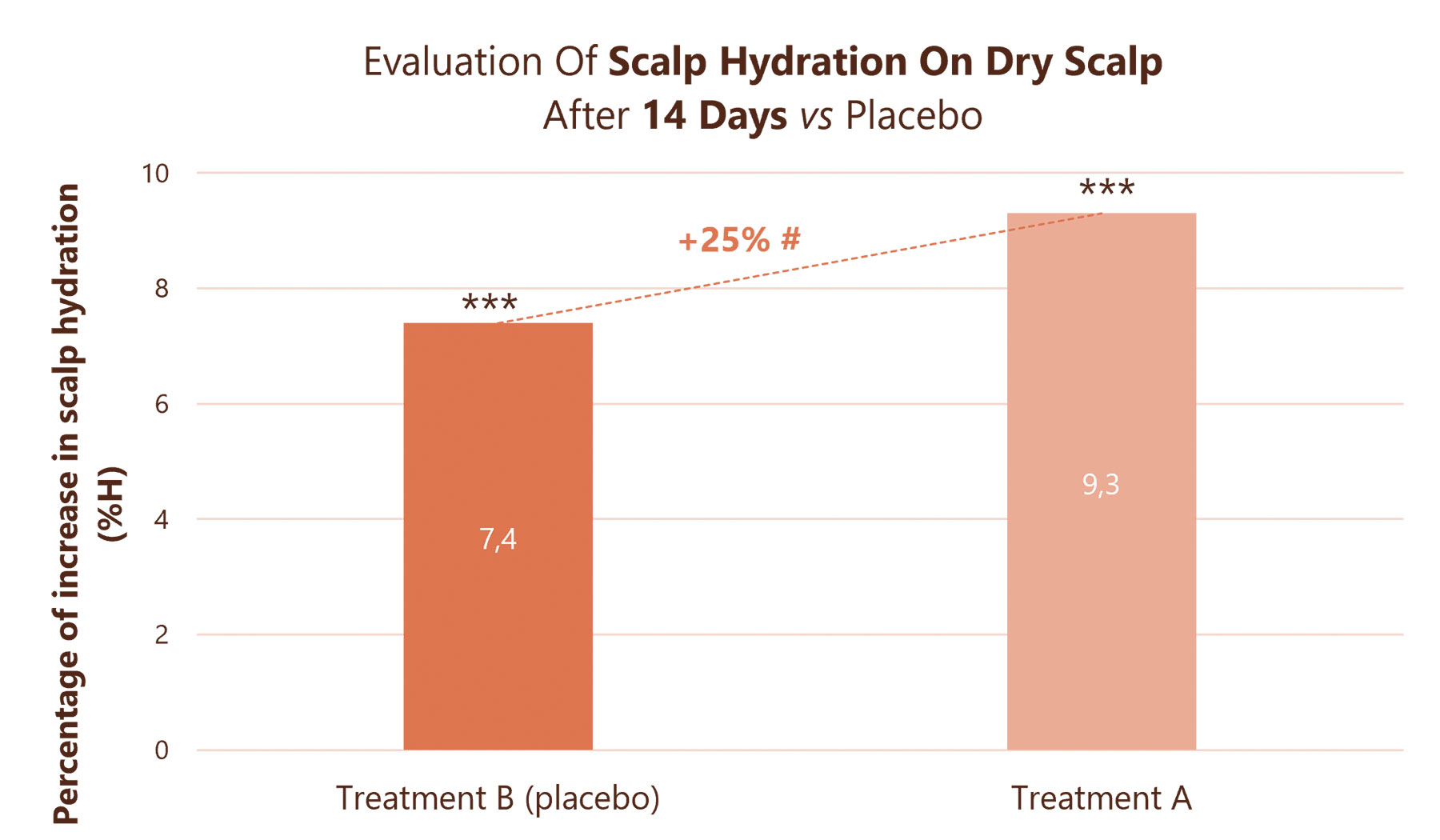
Figure 9. Percentage of increase in scalp hydration (compared to baseline) after 14 days using treatment A (verum) or treatment B (placebo) #significant difference between the products (p<0.02) ***significant difference vs baseline (p<0.0001).
Scalp Build-Up reduction
Excessive scalp build-up resulting from desquamation, sebum accumulation, environmental particles, and cosmetic residues is increasingly recognized as a trigger for scalp discomfort and aesthetic concerns.
A nonparametric test was used because the residuals from the comparison were not normally distributed, as determined by the Shapiro-Wilk test. After only 2 hours, Treatment A produced a 53.8% reduction in scalp build-up intensity (Figure 10). The reduction remained statistically significant (p = 0.0039).
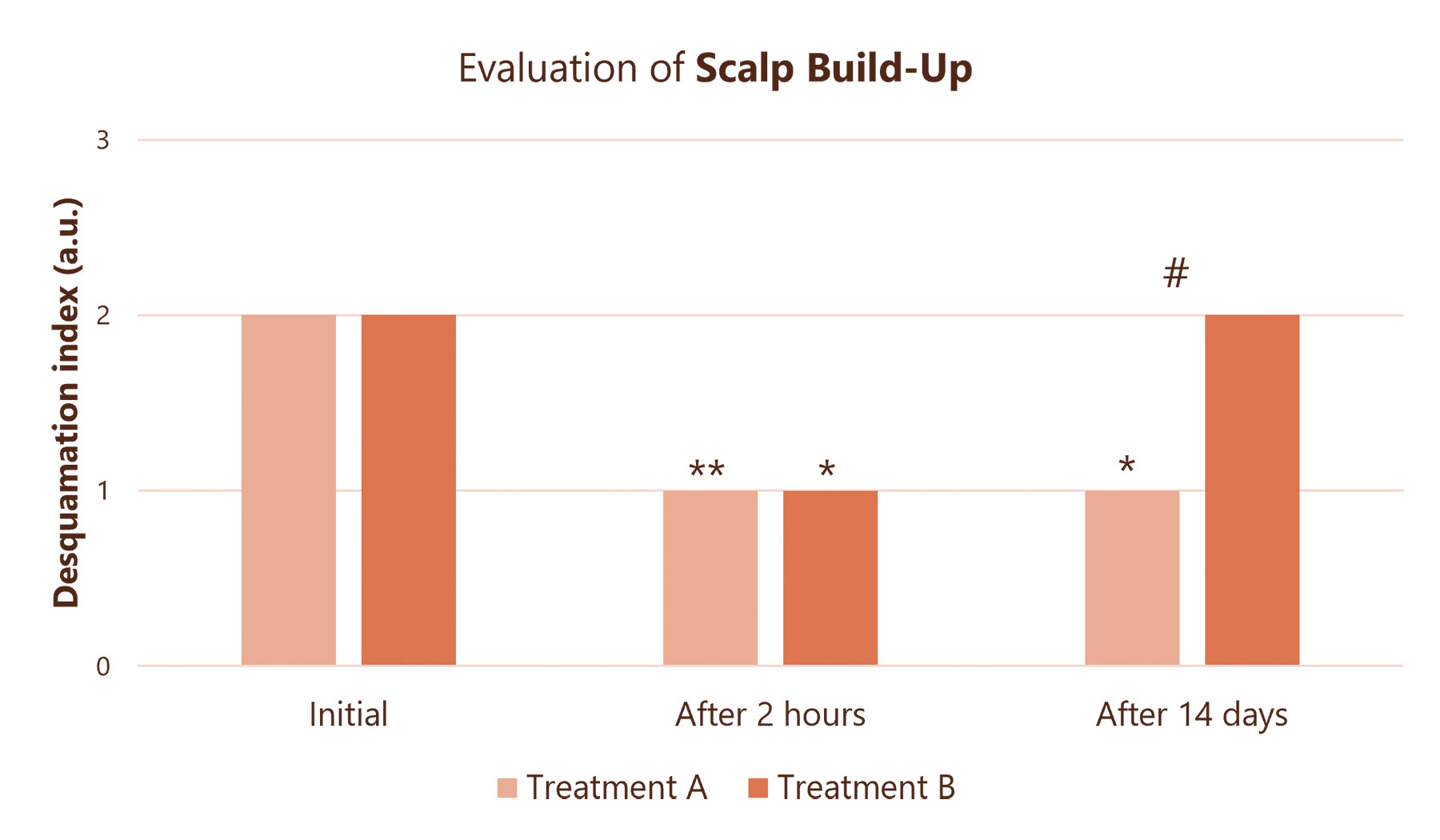
Figure 10. Mean desquamation before application (initial) after 2h and after 14 days when using treatment A (verum) or treatment B (placebo) #significant difference between treatment A and treatment B (p<0.05) *significant difference with baseline (p<0.05) **significant difference with baseline (p<0.01).
Following 14 days of home use, Treatment A maintained a statistically significant reduction in build-up intensity, achieving an average improvement of 41.7%.
Importantly, Treatment A demonstrated a significantly greater reduction in scalp build-up than Treatment B after 14 days (p = 0.0368).
These results are confirmed by microimaging (Figure 11).
This evaluation demonstrated that Hydroxyacetophenone improves scalp purification by significantly reducing visible scalp build-up.
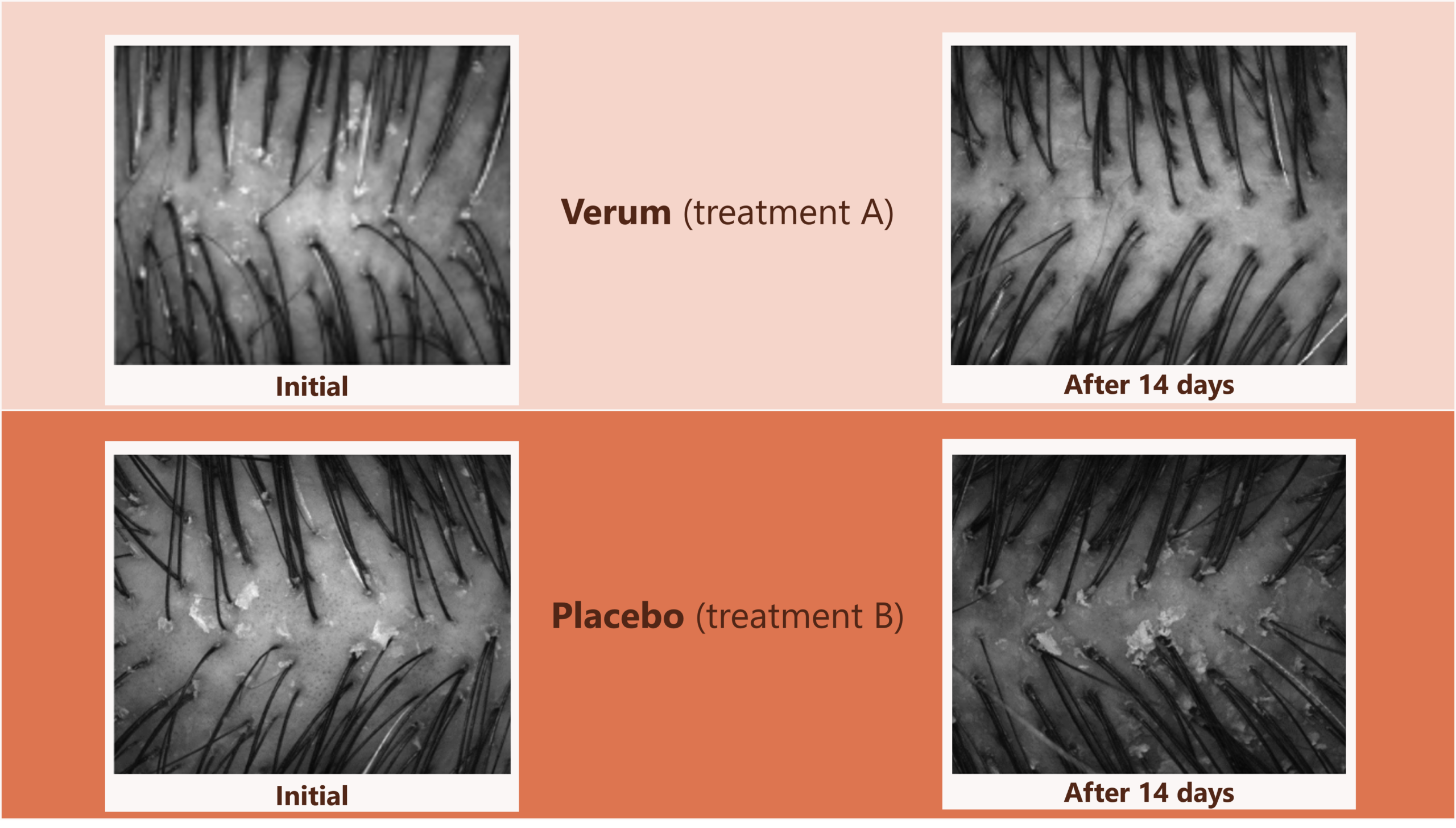
Figure 11. Illustrations of scalp build-up initial and after 14 days of using Treatment A or Treatment B.
By simultaneously addressing reduction of scalp oxidation, and residue accumulation but also improvement of barrier impairment, and scalp hydration, Hydroxyacetophenone contributes to restoring a healthier scalp ecosystem. Such multifunctionality aligns with the growing consumer demand for scalp care solutions that combine efficacy, scalp comfort, and long-term wellbeing.
Conclusions
Modern consumers increasingly demand hair care formulations that deliver visible cosmetic performance while safeguarding scalp barrier health. The in vivo, ex vivo, and in vitro data presented in this article demonstrate that formulators no longer need to compromise between dandruff control, build-up reduction, and skin comfort. By combining a synergistic Piroctone Olamine blend, a bio-based Propanediol Caprylate ester, and the multifunctional Hydroxyacetophenone, formulators can design balanced regimens that support a healthier scalp, reinforce stratum corneum barrier integrity, and shield against environmental oxidative stress. These multifunctional solutions provide a validated roadmap for creating high-efficacy, skin-inspired scalp care products that promote long-term scalp and hair vitality.
References and notes
- Oberoi Lall S. Skinification of Hair: Expert Insights and Everything You Need to Know. CK Birla Hospital. 2024. Website accessed on August 14, 2026 https://www.ckbhospital.com/blogs/skinification-of-hair-expert-insights-and-everything-you-need-to-know
- Jun Lee H. The Future of Haircare, Styling and Colour – Summary: 2025. Mintel GNPD. 2025. https://clients.mintel.com/content/trend/the-future-of-haircare-styling-and-colour-summary-2025
- Meunier L, Veronez R. A new era of skin health: the convergence of hygiene and protective beauty. HPC Today. 2026; 21 (4) https://tks-hpc.h5mag.com/hpc_today_4_2026/microbiome-a_new_era_of_skin_health_the_convergence_of_hygiene_and_protective_beauty
- Jun Lee H. Trending ingredients in haircare: 2024. Mintel GNPD. 2024. https://clients.mintel.com/content/insight/trending-ingredients-in-haircare-2024#workspace_SpacesStore_8f5a6366-b82f-473a-beca-ddabb5bfc04a
- Goodsitt L. The Future of HairCare: 2026. Mintel GNPD. 2026. https://clients.mintel.com/content/report/the-future-of-haircare-2026#workspace_SpacesStore_f31aa055-c42e-4ccc-9aa0-55c42edccc6a
- CICS 2025. 16 countries, 1000 respondents/country. Which of the following scalp issues are you often concerned by?
- Musiol-Kroll E, Meunier L, Genrich F, Nordzieke S, Minges H. Composition for use in the treatment of an excess of malassezia and/or staphylococcus on the skin. WO202608227A1. 2026. https://worldwide.espacenet.com/
- Crinipan PO Plus, Symrise’s new versatile hair and scalp care solution. Premium Beauty News. February 22, 2025. https://www.premiumbeautynews.com/en/crinipan-po-plus-symrise-s-new,25277
- Symrise (USA). Symrise 2024 Leaders & Newsmaker. Perfumer & Flavorist. July 1st, 2024. https://www.perfumerflavorist.com/fragrance/ingredients/article/22910516/symrise-symrise-2024-leaders-newsmakers
- Genrich F, Meunier L, Nordzieke S. The green future of dandruff control. Personal Care Global. 2022; 23(9), 64-66 https://www.personalcaremagazine.com/story/39956/the-green-future-of-dandruff-control
- Mayser P, Genrich F, Gebhardt S, Meunier L, Nordzieke S. Market Transformation in Dandruff Control: Recent Developments on Anti-Dandruff Active Ingredients. Cosmetics. 2026; 13(2):84 https://www.mdpi.com/2079-9284/13/2/84
- Symrise (USA). Smart Product Protection with SymSave®H. Global Cosmetic Industry. March 13, 2023. https://www.gcimagazine.com/ingredients/article/22766045/symrise-usa-smart-product-protection-with-symsave-h
- Koroskenyi B. A multifunctional ingredient with diverse benefits: Hydroxyacetophenone. HPC Today. 2025; 20 (6) https://www.hpc-today.com/articles/a-multifunctional-ingredient-with-diverse-benefits-hydroxyacetophenone/
- Symrise secures patent protection for SymSave®H technology in China. Euro Cosmetics. July 4, 2026. https://cms.eurocosmetics-mag.com/symrise-secures-patent-protection-for-symsave-h-technology-in-china/
- Rodenas F, Koroskenyi B. Heroes of Modern Product Protection: 8. Hydroxyacetophenone. SOFW Journal. 2026; 159
- Safety Assessment of Hydroxyacetophenone as Used in Cosmetics, Final Report. October 11, 2022. https://www.cir-safety.org
- Behnke S, et al. Hydroxyacetophenone: A Multifunctional Ingredient for Product Protection, Soothing and Antioxidant Benefits. SOFW Journal. 2018; 144, 18-24

Multifunctional Ingredients in Hair and Scalp Care: From Active Perfor...
PEER REVIEWED – Breaking the Cycle: Complementary Biological Pat...

The Skin Microbiome in 2026: From Modulation to Measurable Biology
Gale & Cosm and DKSH: Building New Opportunities for the Future o...
Beyond Compliance: Steering Cosmetic Packaging Innovation Towards 2030

What Cross-Platform Consumer Data Can Tell Us About the Ingredients Sh...
When Beauty Routines Become Sleep Rituals

From Trend to Proof: The Microbiome and the Next Evolution of K-Beauty