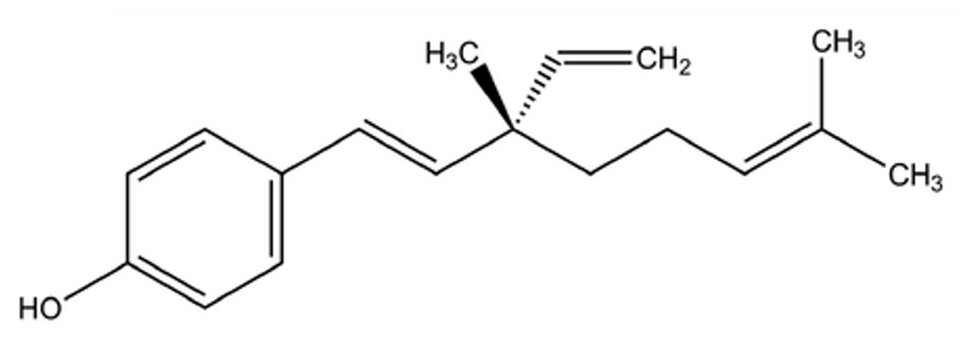
Similarly, Hong et al. supported these findings, emphasizing that bakuchiol’s efficacy is closely linked to its chemical composition, whether naturally derived or synthetically produced (1). Their evaluation of various formulations concluded that bakuchiol possesses a multifaceted therapeutic profile, particularly effective in reducing post-inflammatory hyperpigmentation (1).
Goldberg et al. further corroborated these results in their evaluation of a 3-in-1 serum-in-oil formulation containing bakuchiol (6). The product significantly enhanced skin hydration, firmness, and reduced the appearance of wrinkles and redness. Hydration benefits lasted from 30 minutes to 12 hours post-application, while transepidermal water loss decreased within four to six hours. Participant feedback indicated high tolerability across diverse skin types. The authors concluded that the formulation demonstrated substantial anti-aging potential, especially with once-daily use (6).
Hong et al. evaluated the antioxidant capacity of a natural bakuchiol complex containing 57.35% bakuchiol, with no more than 100 parts per million (ppm) of angelicin and psoralen (1). The compound’s efficacy was tested against various reactive oxygen species, including hydroxyl radicals, peroxynitrite, peroxyl radicals, singlet oxygen, and superoxide anions. The table below presents the antioxidant profile of the bakuchiol formulation based on these assays.
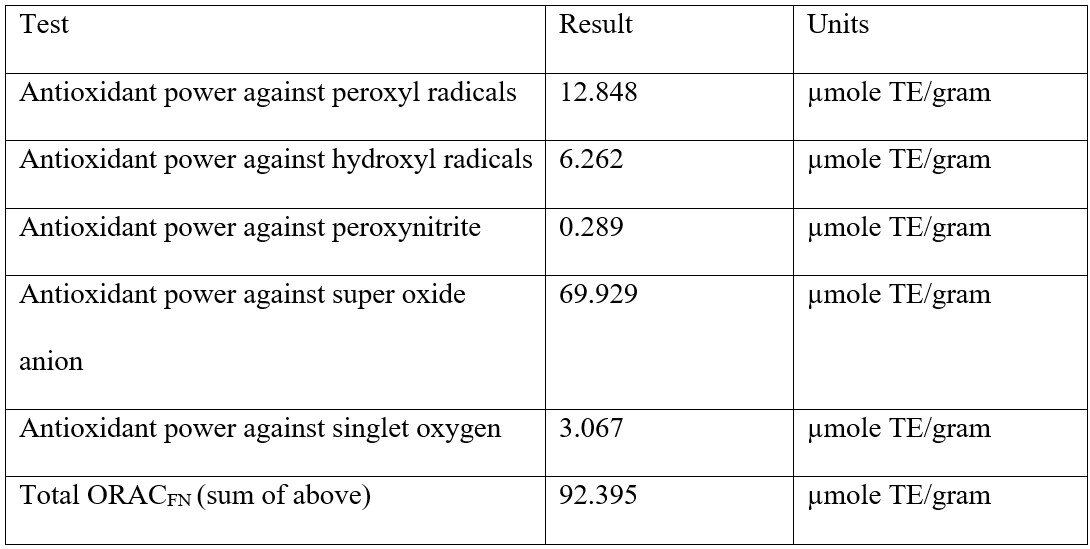
Notably, the acceptable precision for the ORAC assay was within 15% relative standard deviation. Furthermore, the total ORACFN value represented the highest overall antioxidant capacity of the bakuchiol formulation against the five primary reactive oxygen species.

Ma et al. synthesized bakuchiol salicylate by combining bakuchiol with salicylic acid (7). Gene expression analysis revealed a reduction in the expression of inflammation-related gene complexes. The compound desensitized keratinocytes to psoriatic cytokines, indicating a potential mechanism of action. These findings support recent research showing that bakuchiol modulates genes like DAF-16, which helps control inflammation, protect against stress, and repair cells (2). Compared to traditional retinoids, bakuchiol salicylate exhibited an enhanced transcription-normalizing profile without displaying a teratogenic retinoid gene signature. It also inhibited interleukin-8 (IL-8) expression and downregulated genes typically associated with psoriatic skin. Moreover, gene expression profiling showed a significant inverse correlation with markers commonly upregulated in psoriatic conditions. This bipartite compound, synthesized from two bioactive agents—bakuchiol and salicylic acid—offers a novel therapeutic strategy for managing inflammatory skin disorders with a reduced risk of adverse effects (7).
In support of these findings, Puyana et al. also discovered that bakuchiol works well for treating acne and dark spots after inflammation. Their analysis emphasizes its growing role in modern multifunctional skincare formulations. This reinforces bakuchiol’s clinical relevance and versatility (5).
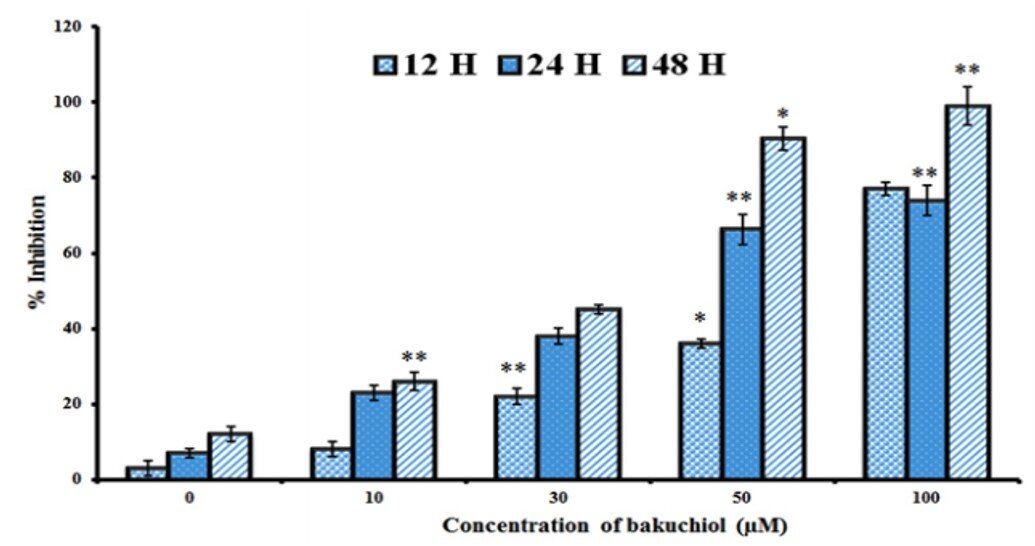
Yang et al. assessed the cytotoxic potential of bakuchiol using the MTT assay on SGC-7901 human gastric cancer cells (10). To further explore its cellular effects, phase-contrast microscopy and morphological analysis were conducted to evaluate changes in cell cycle distribution. The results revealed a potent, dose- and time-dependent inhibitory effect on cell proliferation. The half-maximal inhibitory concentration (IC₅₀) values were 42.3 µM at 12 hours, 58.4 µM at 24 hours, and 32.5 µM at 48 hours, indicating progressive cytotoxicity and enhanced efficacy over time (10).
- Hong MF, Jia Q, Brownell LA. Bakuchiol compositions for treatment of post-inflammatory hyperpigmentation. US Patent No. US20170348250A1. 2017. https://patents.google.com/patent/US20170348250A1/en
- Ranjan S, Khan S. Natural anti-aging innovations: Bakuchiol role in longevity and stress resilience through DAF-16 pathway activation. Biochem Biophys Res Commun. 2025;770:151932. https://doi.org/10.1016/j.bbrc.2025.151932
- Xin Z, Wu X, Ji T, Xu B, Han Y, Sun M, et al. Bakuchiol: A newly discovered warrior against organ damage. Pharmacol Res. 2019;141:208–13. https://doi.org/10.1016/j.phrs.2019.01.001
- Dhaliwal S, Rybak I, Ellis S, Notay M, Trivedi M, Burney W, et al. Prospective, randomized, double‐blind assessment of topical bakuchiol and retinol for facial photoageing. Br J Dermatol. 2019;180(2):289–96. https://doi.org/10.1111/bjd.16918
- Puyana C, Chandan N, Tsoukas M. Applications of bakuchiol in dermatology: Systematic review of the literature. J Cosmet Dermatol. 2022 Dec;21(12):6636–43. https://doi.org/10.1111/jocd.15420
- Goldberg DJ, Robinson DM, Granger C. Clinical evidence of the efficacy and safety of a new 3‐in‐1 anti‐aging topical night serum‐in‐oil containing melatonin, bakuchiol, and ascorbyl tetraisopalmitate: 103 females treated from 28 to 84 days. J Cosmet Dermatol. 2019;18(3):806–14. https://doi.org/10.1111/jocd.12896
- Ma S, Gobis K, Swindell WR, Chaudhuri R, Bojanowski R, Bojanowski K. Synthesis and activity of the salicylic acid ester of bakuchiol in psoriasis‐surrogate keratinocytes and skin substitutes. Clin Exp Dermatol. 2017;42(3):251–60. https://doi.org/10.1111/ced.13024
- Poláková K, Fauger A, Sayag M, Jourdan E. A dermocosmetic containing bakuchiol, Ginkgo biloba extract and mannitol improves the efficacy of adapalene in patients with acne vulgaris: Result from a controlled randomized trial. Clin Cosmet Investig Dermatol. 2015;8:187–94. https://doi.org/10.2147/CCID.S81691
- Husain FM, Ahmad I, Khan FI, Al-Shabib NA, Baig MH, Hussain A, et al. Seed extract of Psoralea corylifolia and its constituent bakuchiol impairs AHL-based quorum sensing and biofilm formation in food- and human-related pathogens. Front Cell Infect Microbiol. 2018;8:351. https://doi.org/10.3389/fcimb.2018.00351
- Yang L, Cui M, Zhang L, Song L. FOXM1 facilitates gastric cancer cell migration and invasion by inducing Cathepsin D. Oncotarget. 2017;8:68180–90. https://www.oncotarget.com/article/19254/text/
- Ornelas J, Routt E, Kallis P, Lev-Tov H. Use of the hCONSORT criteria as a reporting standard for herbal interventions for common dermatoses: A systematic review. Br J Dermatol. 2018;178:889–96. https://doi.org/10.1111/bjd.16256

More than anti-ageing: the retinol-alternative Chios mastic as a compr...
The Rise of Upcycled Ingredients in Cosmetics: A Sustainable Innovatio...

High Active Alpha Olefin Sulfonate
A word with Marine Pasquier – Seppic

The feel of foam: innovating sensory evaluation for solid shampoo form...
Retinol Alternatives

Now and Beyond: The Top Trends Shaping the Laundry and Cleaning Market