Clean beauty through the eyes of the consumer
Today’s consumer seeks more than just an effective cosmetic: they want products that are safe, transparent, planet-friendly, and aligned with their personal values. The clean label is commonly associated with:
- “Natural” or recognizable ingredients.
- Minimalist, controversy-free formulations.
- Ethical and environmental benefits: cruelty-free, recyclable packaging, lower carbon footprint.
- Trust: seals, independent testing, and verifiable claims.

However, the term has no universal legal definition. This creates a gap between perception and reality: what the consumer believes clean means may differ from what regulations allow or what science demonstrates.
The appeal of “waterless” for the consumer
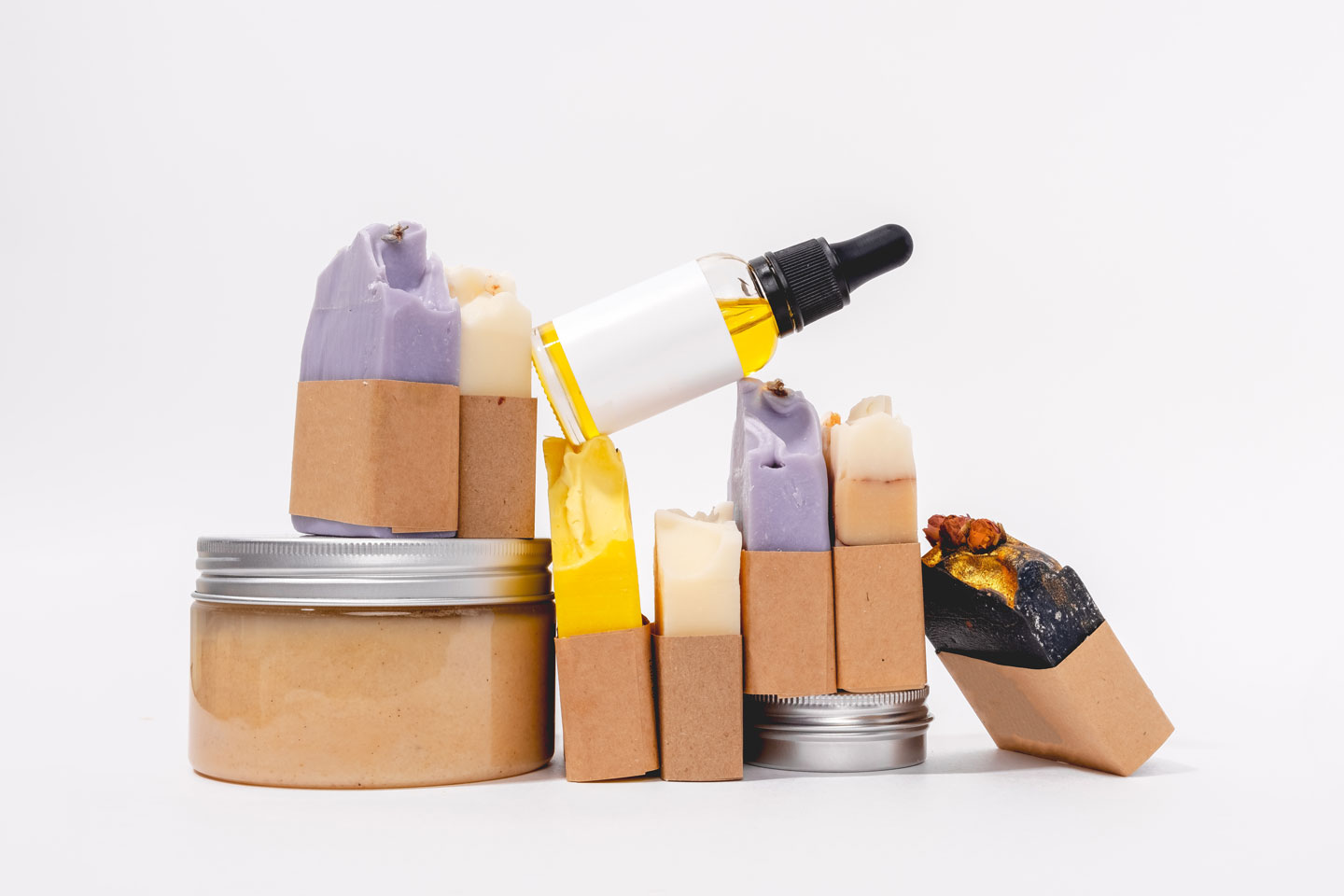
Waterless formulas immediately convey two powerful messages: sustainability (less water consumption, lighter transportation) and concentration (more actives per dose). For consumers, a solid shampoo or a powder product is not only practical but also a visible symbol of “green” innovation.Yet this promise must be backed by facts: a waterless product may require additional testing of stability, usability, and microbiological safety to avoid disappointment and strengthen consumer trust.
Sustainable packaging: when perception becomes experience
Packaging is the first thing consumers touch. Their perception of sustainability depends on:
- Simplicity and clarity: recyclable materials, clear disposal instructions.
- Visible innovation: refill systems, reusable containers, reduced plastic weight.
- Credibility: data or certifications that support the reduction of environmental impact.
Well-communicated sustainable design not only reduces environmental footprint but also enhances the brand experience: the user feels they are making a responsible choice.
Safety as a non-negotiable condition
For consumers, clean above all means safe. Even if they don’t express it in regulatory terms, they expect that the product has undergone testing to ensure:
- It does not cause irritation..
- It is microbiologically controlled.
- Its efficacy has been proven under real-use conditions.
The credibility of the clean beauty movement depends on brands being able to demonstrate, with data, that what is “natural” is also safe and effective.
What does the consumer look for in a “clean” seal?
- Transparency: clear labels, honest claims.
- Independent backing: clinical trials and laboratory tests.
- Sustainability narrative: not only “free from” but measurable in terms of impact.
- Positive experience: products that are convenient, pleasant, and deliver on their promise.
How can Zurko Research help?
This is where Zurko’s services bridge the gap between what consumers expect and what brands need to prove:
- In vivo safety testing: ensuring compliance with European and global standards.
- Efficacy studies: supporting claims (24-hour hydration, wrinkle reduction) that are increasingly vital for consumer trust.
- Microbiological and stability evaluation: crucial for waterless formulas or innovative packaging.
- Consumer use and perception tests: bringing the real user’s voice into innovation, validating not only safety but also acceptance.
Conclusion
The clean beauty movement was born out of consumer perception, but it can only consolidate with the support of science. Waterless formulas, sustainable packaging, and honest narratives are attractive trends, yet their true value lies in practice: products that are safe, effective, and verified.
Zurko Research positions itself as the partner that transforms perception into measurable reality, supporting brands from conception to market with studies that build trust, reduce regulatory risks, and objectively validate the clean promise.

Influences and Insights into Future Claims Technology and Testing

Gale & Cosm: Innovation in Made-In-Italy raw materials

Improving skin longevity by targeting biological aging causes

Longevity’s Groundbreaking AI Revolution: Reinventing Ingredient...

Active ingredients in beauty – top trends

Redefining How We Measure Skin Longevity

PCS360: setting the Global Standard for Excellence in Cosmetic Ingredi...

What are the main innovations driving the future of evaluation in the...