Despite the increasing utilization of Pyrus malus extracts in cosmetic formulations, comprehensive studies that correlate in vitro bioactivity with in vivo skin hydration effects remain limited. Therefore, this study aims to bridge this knowledge gap by integrating in vitro assays on human keratinocytes with in vivo clinical evaluations employing instrumental skin hydration measurements. The hypothesis is that the revitalizing cellular effects observed in vitro will correspond with enhanced skin hydration in vivo, thereby demonstrating a measurable and scientifically substantiated benefit for cosmetic application.
The study objectives were:
- To evaluate the metabolic and revitalising potential of PYRUS MALUS JUICE on human keratinocytes (HaCaT cells).
- To assess the short- and long-term moisturizing effects of a cosmetic formulation containing this extract, using validated biophysical tools in human volunteers.
- To establish a scientific bridge between in vitro mechanistic activity and in vivo cosmetic functionality.
Cell Line and Culture Conditions
Human immortalised keratinocytes (HaCaT) were selected as an established model for epidermal biology. Cells were cultured under standard conditions in Dulbecco’s Modified Eagle Medium (DMEM) supplemented with 10% foetal bovine serum (FBS), 1% penicillin-streptomycin, and 1% glutamine, maintained at 37°C in a 5% CO₂ humidified incubator.
For testing, cells were seeded into 96-well plates at a density of 1×10⁴ cells/well and allowed to adhere for 24 hours. Treatment involved exposing cells to serial dilutions of the active ingredient (PYRUS MALUS JUICE) at concentrations ranging from 0.01% to 1% v/v in serum-free medium. Glycerin (commonly used in cosmetic products as a standard hydrating agent) served as a positive control.
Tested substances:
- PYRUS MALUS JUICE, Glycerin, Sodium Benzoate, Potassium Sorbate
- Glycerin (positive control)
Viability and Metabolic Activity Assay
After 24 hours of incubation with the test substances, cellular metabolic activity was evaluated using the MTS assay (a colorimetric method for assessing mitochondrial function). Absorbance was measured at 490 nm, with values directly proportional to the number of viable, metabolically active cells.
Statistical Analysis
All experiments were conducted in triplicate. Statistical significance was assessed using unpaired two-tailed t-tests to compare treated samples to control (glycerin and untreated), with significance set at p < 0.05.
Part II: In Vivo Evaluation of Skin Hydration
Study Design and Ethics
The study tested a cosmetic formulation containing the active fruit-derived ingredient against a placebo (identical base formulation without the active). Applications were made to the volar forearms of each subject in a split-body design to eliminate inter-subject variability.
The study involved 10 healthy volunteers with an average age of 47.8 years. Informed consent was obtained from all participants in accordance with the Declaration of Helsinki. The study was designed as a controlled, comparative, randomized trial with double-arm treatment (active vs placebo on opposite forearms).
Formulation details for the in vivo efficacy test:
- Active product: Aqua, Pyrus Malus Juice, Glycerin, Carbomer, Sodium Hydroxide, Sodium Ethylparaben, Sodium Propylparaben
- Placebo product: Aqua, Carbomer, Sodium Hydroxide, Sodium Ethylparaben, Sodium Propylparaben
Inclusion and Exclusion Criteria
Inclusion Criteria:
- Caucasian subjects of either sex, aged 18–70.
- General good health and ability to comply with study procedures.
- Avoidance of UV exposure and tanning beds during the study.
Exclusion Criteria:
- Pregnancy, breastfeeding, known skin sensitivities.
- Ongoing treatment with systemic or topical agents affecting skin.
- Dermatological disorders (e.g., eczema, psoriasis).
- Participation in similar trials within the last 30 days.
Treatment and Application Protocol
A 3×3 cm area on each forearm was marked for treatment. A fixed amount of 2 mg/cm² of either the active product or placebo was applied post-baseline measurement. Applications were performed twice daily (morning and evening) for 30 days.
Instrumental Assessment
Surface Skin Hydration
Measured with Corneometer® CM 825 (Courage & Khazaka): Measures superficial stratum corneum hydration by quantifying electrical capacitance (expressed in arbitrary units from 0 to 120).
Deep Skin Hydration
Measured with MoistureMeterEpiD (Delfin Technologies): Non-invasive dielectric resonance-based probe that evaluates deep tissue hydration (up to 1mm) by converting the dielectric constant into percentage water content.
Conditions for Measurement Time Points
All measurements were performed in a climate-controlled room (24 ± 2°C; 50 ± 10% RH). Volunteers refrained from washing forearms for 2 hours and from applying any skincare product for at least 12 hours before testing.
- T0: Baseline (before application)
- T1: 30 minutes post-application (single dose)
- T2: Day 30 (after twice-daily application for one month)
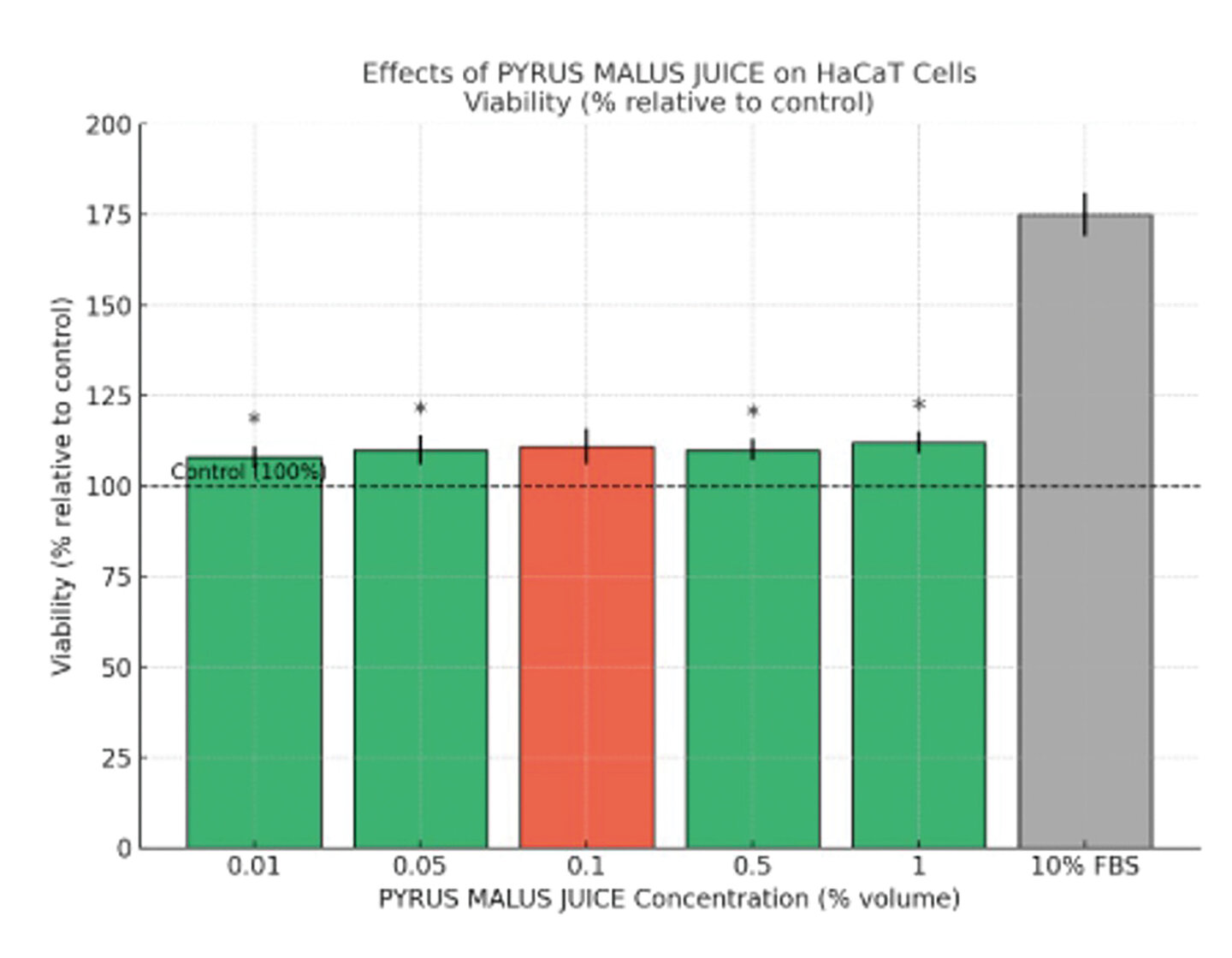
All tested concentrations of PYRUS MALUS JUICE induced a dose-dependent increase in cell metabolic activity compared to both untreated and glycerin-treated controls.
- At 0.01%, viability increased to ~105.6% vs. ~102.9% for glycerin (p = 0.0198)
- At 0.05%, viability reached ~106.8% vs. ~103.7% (p = 0.0029)
- At 0.1%, although an upward trend was observed (~107.5%), the difference from glycerin (~104.6%) was not statistically significant (p = 0.126)
- At 0.5% and 1%, viability increased further (~107.9% and ~109.8%, respectively), with both comparisons showing statistical significance compared to glycerin (p = 0.0344 and p = 0.0374, respectively)
These results confirm that PYRUS MALUS JUICE significantly enhances mitochondrial activity, indicating improved cellular vitality and potential regenerative support.
Notably, the study was conducted in serum-free conditions, emphasising the intrinsic bioactivity of the test substance without interference from external growth factors. The use of glycerin as a comparator enabled us to distinguish the specific contribution of the apple-derived bioactives from the solvent vehicle, strengthening the conclusion that PYRUS MALUS JUICE displays biological activity.
The dose-response relationship observed further supports the hypothesis of receptor-mediated or concentration-dependent uptake mechanisms, potentially involving phytohormones or secondary metabolites known to interact with mammalian cells.
In Vivo Hydration Measurements (7), (8), (9), (10), (11), (12), (13)
Superficial Hydration (Corneometer)
T1 (30 min post-application):
-
-
-
-
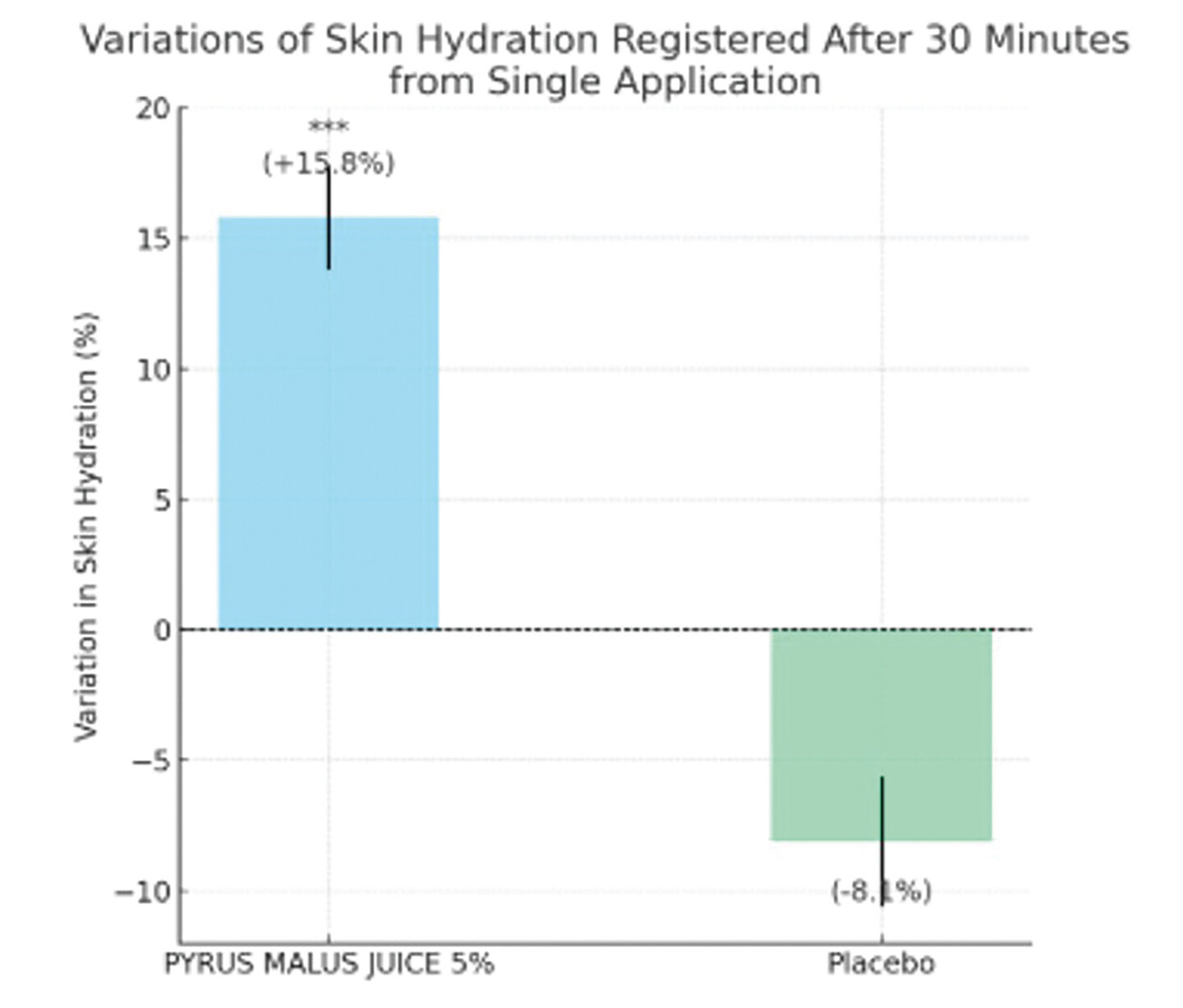
- Active Product: Increased from 43.7 CU to 50.6 CU (+15.8%), p < 0.05.
- Placebo: Decreased from 43.2 CU to 39.7 CU (−8.1%), p < 0.05.
- Comparison: Significant difference between active and placebo groups (p = 0.001).
-
-
-
A statistically significant increase (improvement) in the basal values of skin hydration was evidenced after 30 minutes from the single application of the PYRUS MALUS JUICE 5% product.
A statistically significant decrease (worsening) was registered in the area treated with the placebo
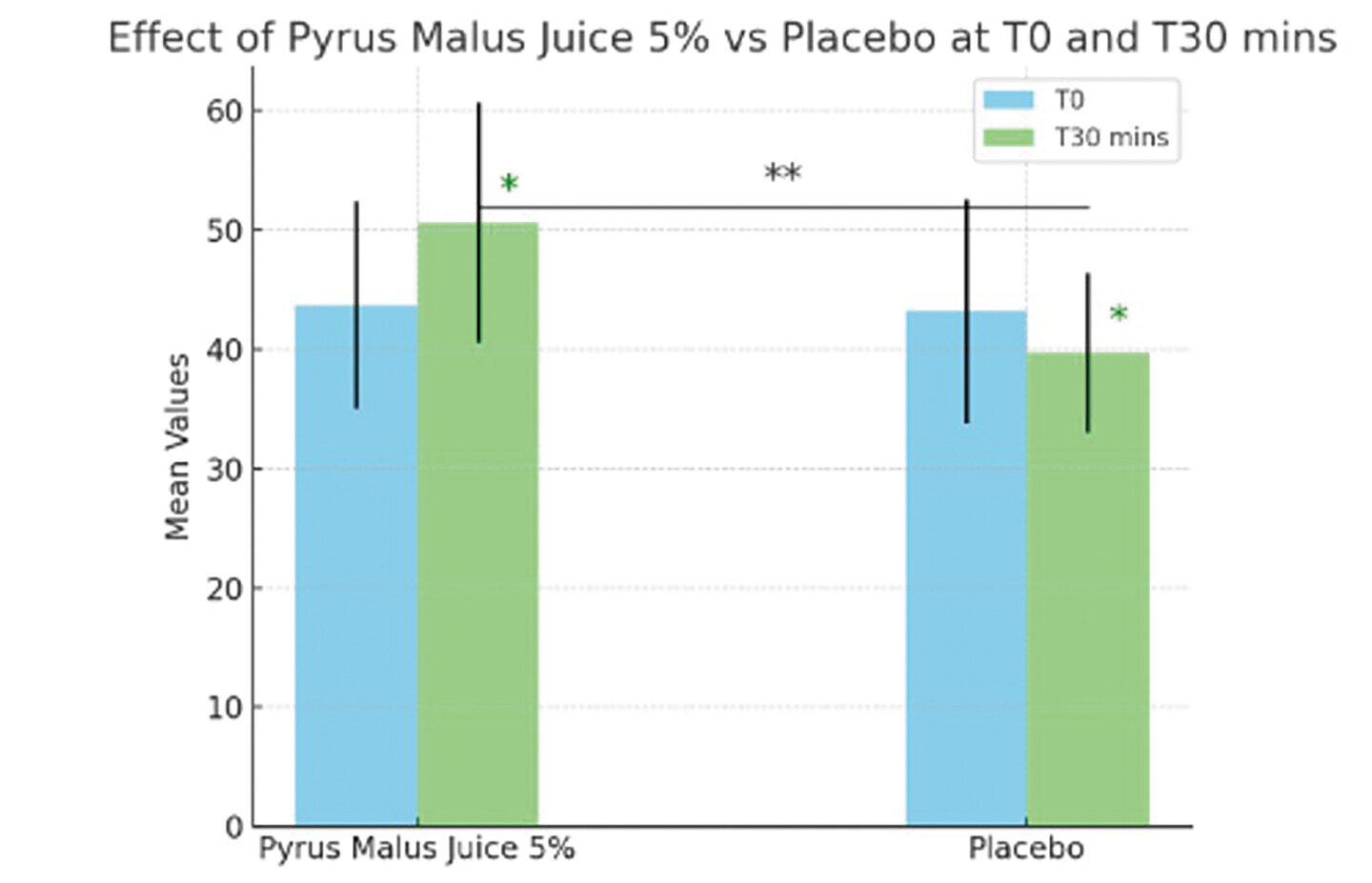
* for p < 0.05 within each group (T0 vs T30 mins).
** for p = 0.001 in the comparison between groups (difference between variations).
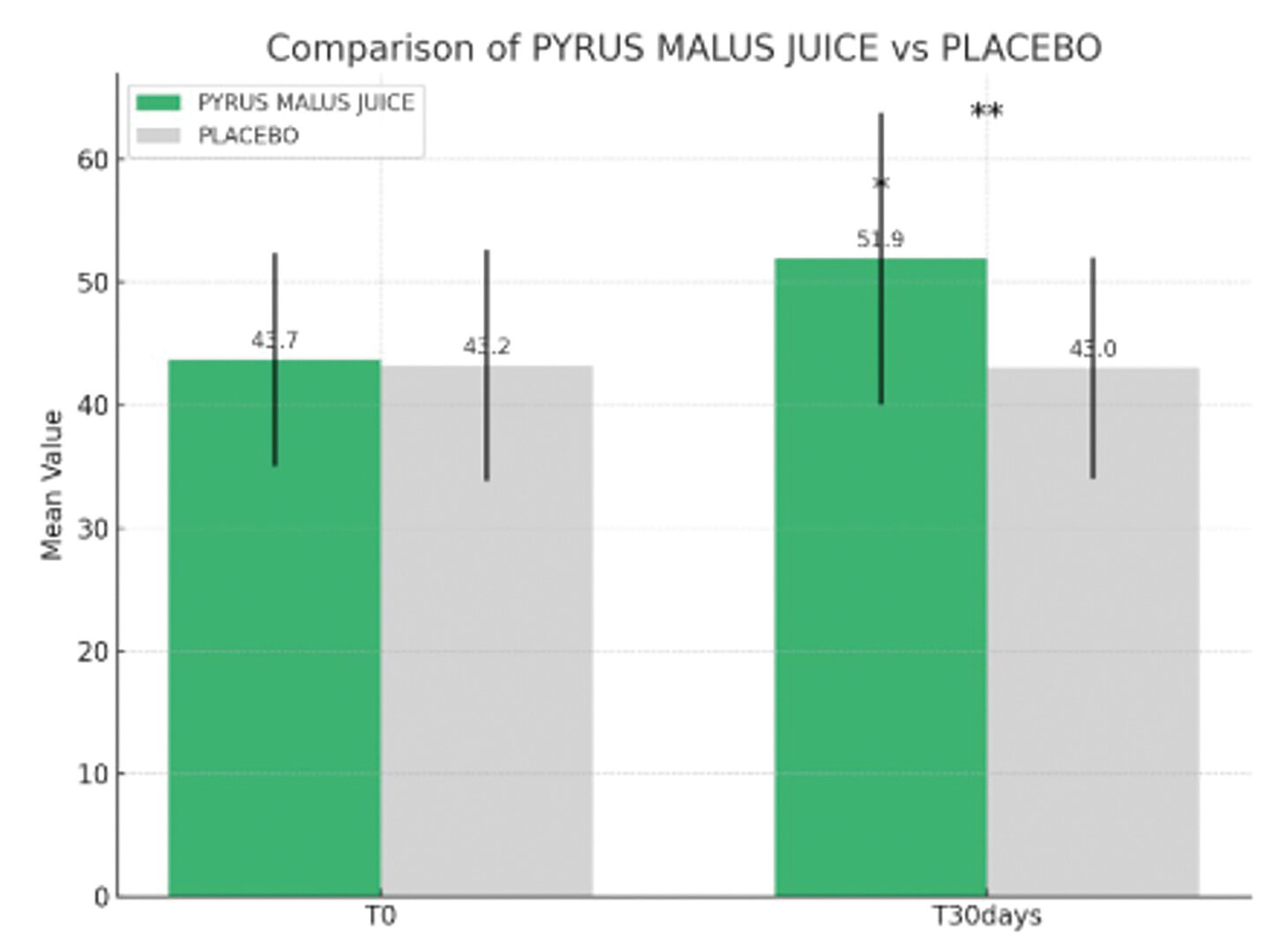
- Active Product: Increased from 43.7 CU to 51.9 CU (+18.8%), p < 0.05.
- Placebo: Slight decrease from 43.2 CU to 43.0 CU (−0.5%), p > 0.05.
- Comparison: Statistically significant difference (p < 0.01).
This suggests a rapid and sustained hydration effect by the active formulation.
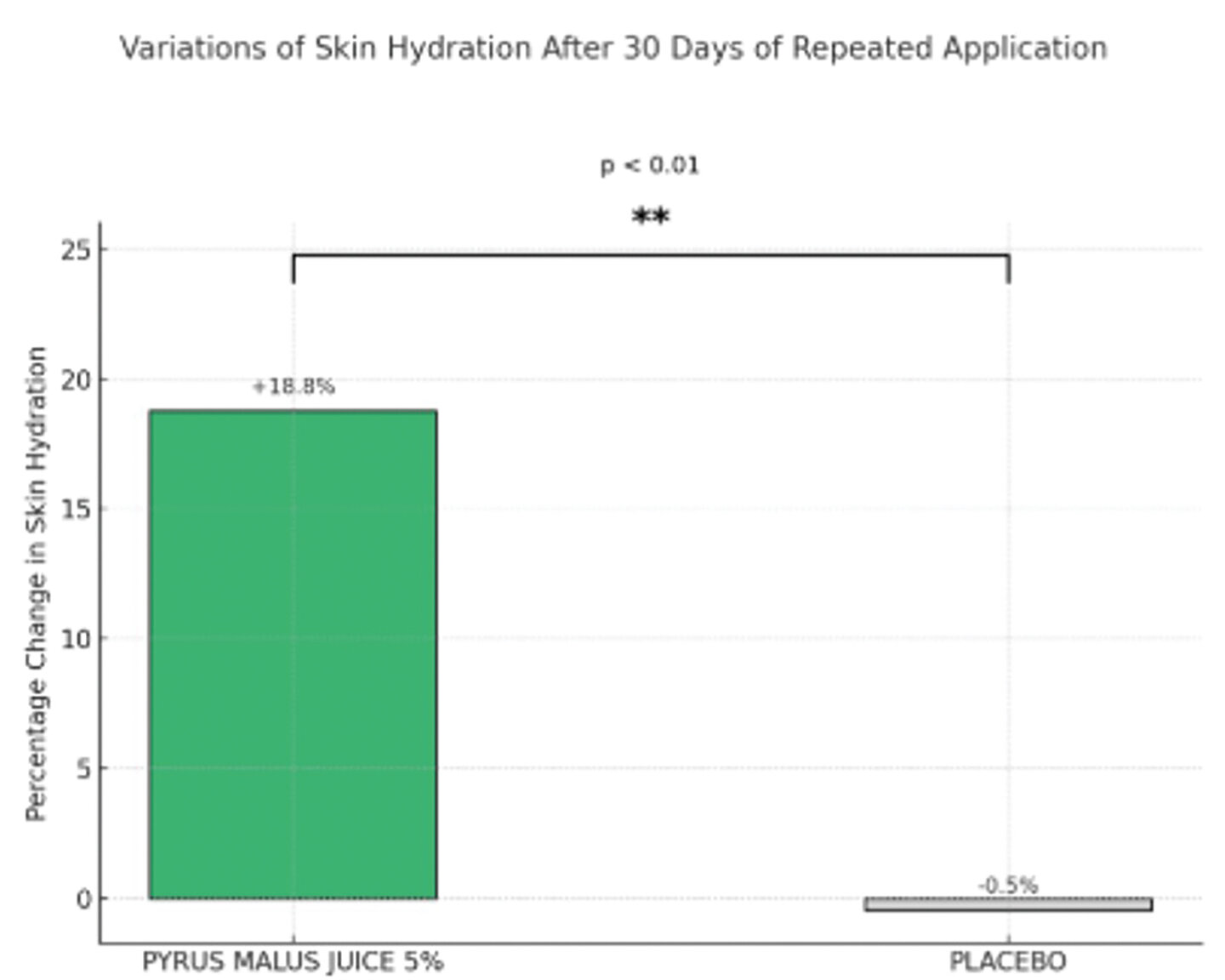
Skin hydration was measured at baseline and after 30 days.
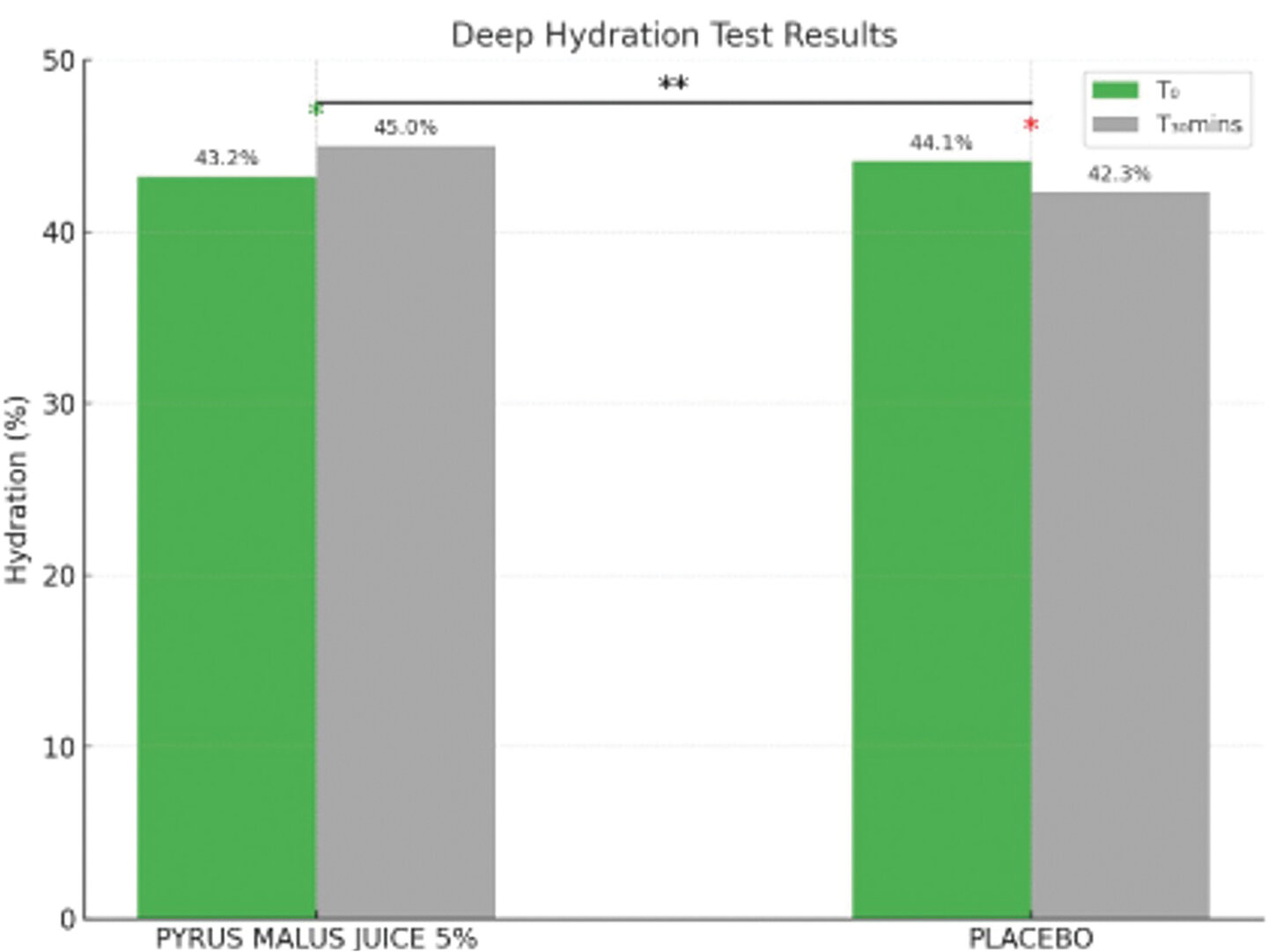
After Single Application (30 Minutes)
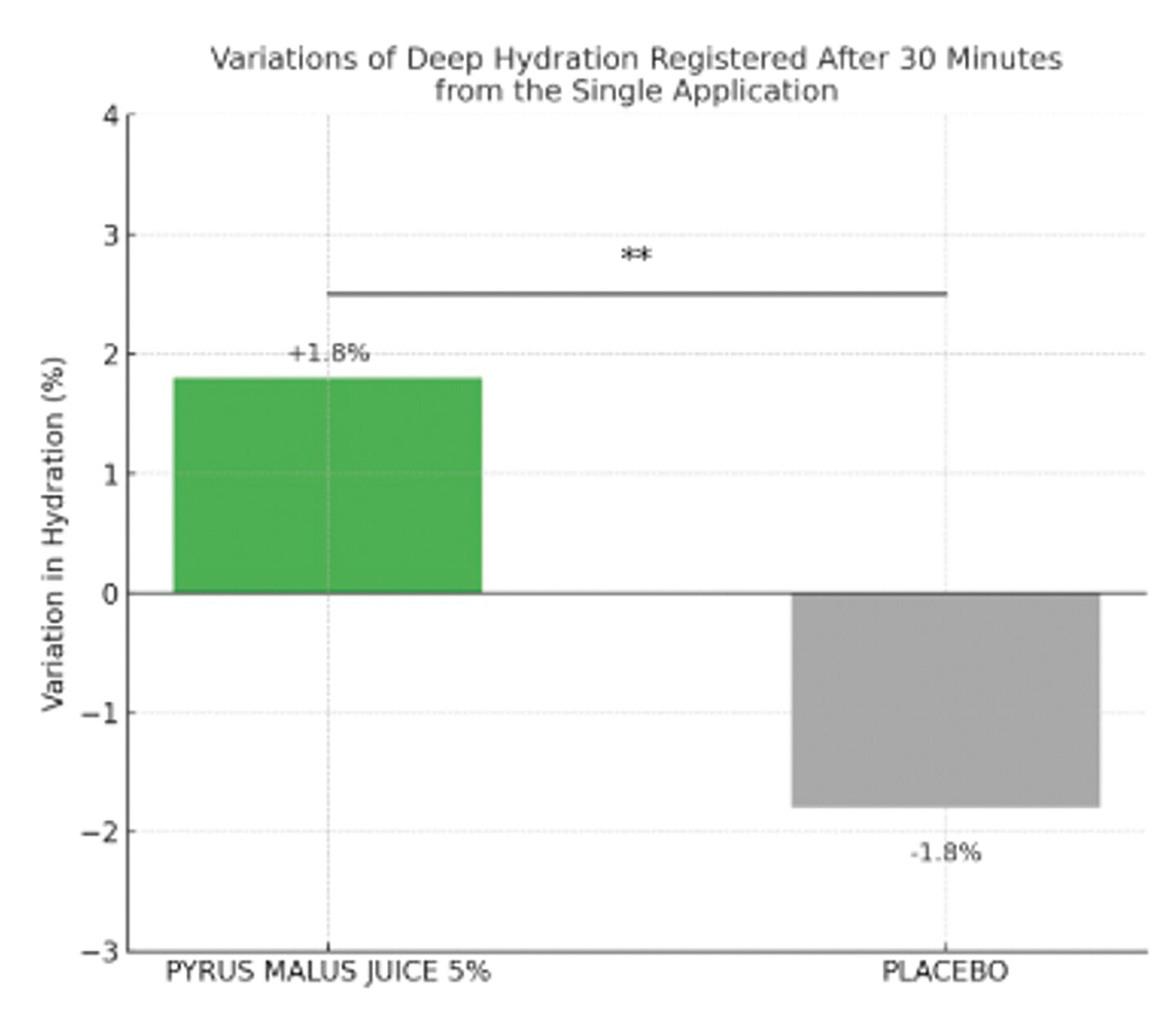
- Active Product: Increased from 43.2% to 45.0% (+1.8%), p < 0.05.
- Placebo: Decreased from 44.1% to 42.3% (−1.8%), p < 0.05.
- Comparison: Statistically significant (p < 0.01).
The statistical comparison between the variations recorded at 30 minutes from the single application evidenced a statistically significant difference between the product PYRUS MALUS JUICE 5% and the placebo.
- Active Product: Increased from 43.2% to 50.9% (+7.7%), p < 0.01.
- Placebo: Increased modestly from 44.1% to 46.9% (+2.8%), p > 0.05.
- Comparison: Statistically significant (p = 0.01).
A statistically significant increase (improvement) in the basal values of skin deep hydration was evidenced after 30 days of repeated application of the PYRUS MALUS JUICE 5% product.
No significant variation was registered in the area treated with the placebo
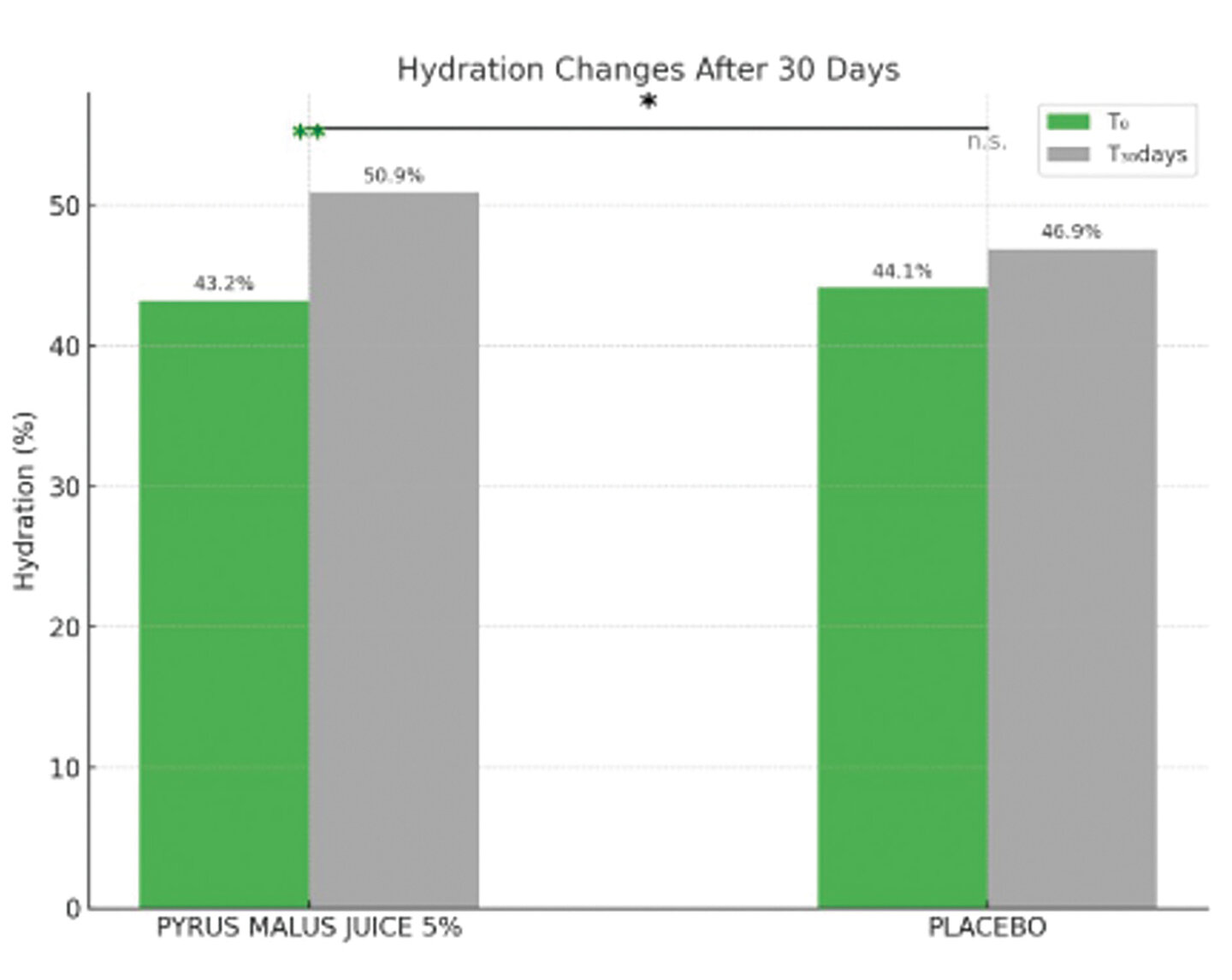
Figure 8. Bar chart showing mean skin hydration values at baseline (T₀) and after 30 days (T₃₀days) of treatment with PYRUS MALUS JUICE 5% versus Placebo.
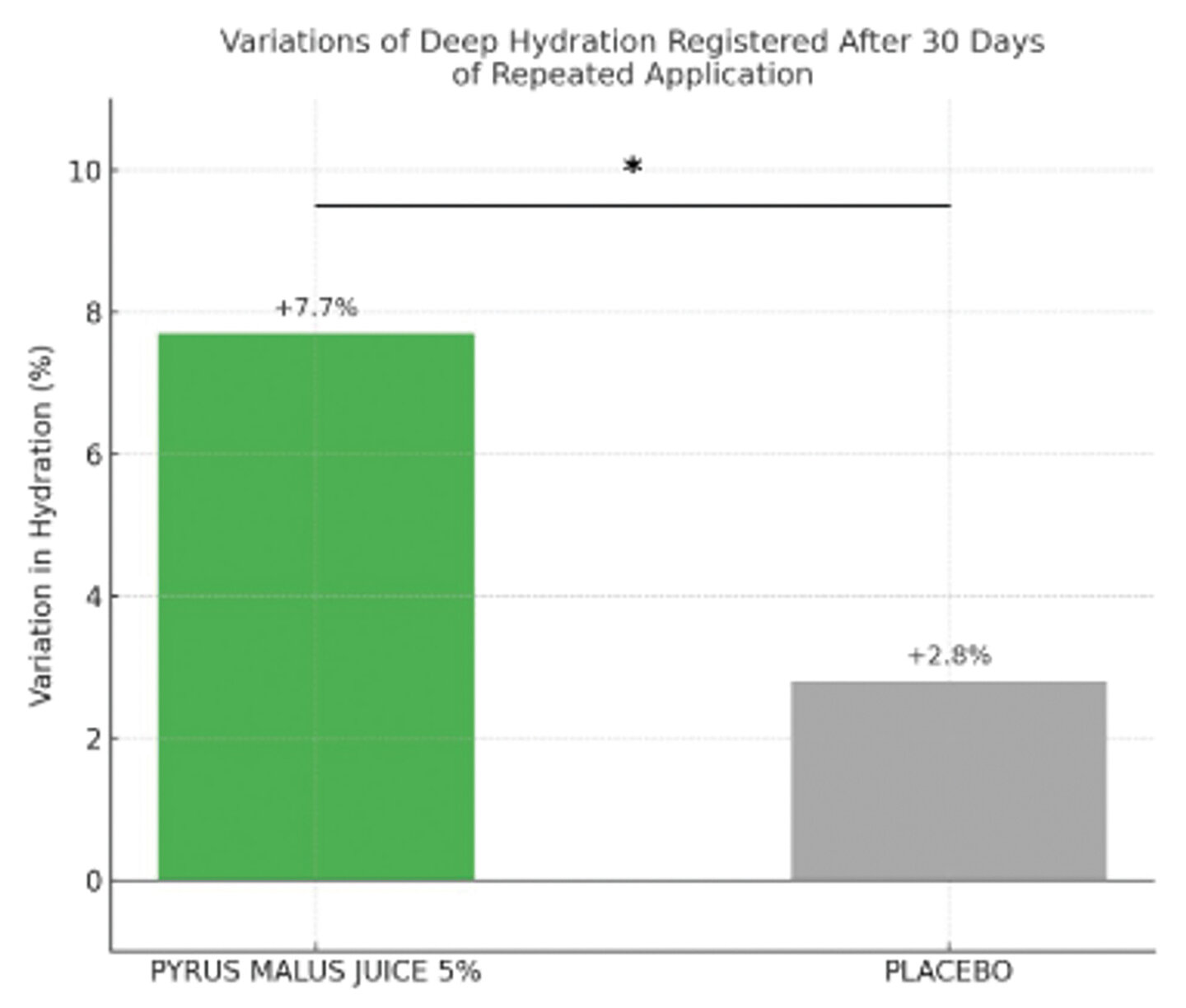
Figure 9. Deep hydration variation after 30 days of repeated application
The in vivo findings corroborate these mechanistic insights. Skin hydration, a critical marker of barrier function and cosmetic appeal, improved significantly with use of the active formulation. Both surface and deep hydration metrics confirmed that the formulation provides immediate and lasting effects, with clear advantages over the placebo.
Of particular interest is the alignment between in vitro and in vivo outcomes. The mitochondrial stimulation observed in HaCaT cells reflects enhanced biological vitality, which in the clinical setting manifests as improved skin hydration and potentially improved barrier repair.
Furthermore, these results are consistent with literature supporting the dermatological benefits of fruit extracts. Apple polyphenols have been shown to exhibit antioxidative, anti-inflammatory, and barrier-strengthening properties. Their inclusion in topical formulations aligns well with consumer demands for clean, effective skincare products backed by science.
The outcomes of this investigation contribute meaningfully to the expanding corpus of scientific knowledge that advocates for the incorporation of plant-derived, biologically active compounds within the field of dermatology and cosmetology. The use of fruit-based actives, such as Pyrus malus juice, represents a convergence between contemporary consumer preferences—particularly the increasing demand for ‘clean’, sustainable, and naturally sourced skincare solutions—and the rigorous scientific evaluation of product efficacy and safety. This alignment is critical for the future development of cosmetic formulations that are not only environmentally and ethically responsible but also supported by empirical data.
Looking forward, future research efforts should aim to explore additional dimensions of these ingredients’ effects, including their long-term impact on skin barrier homeostasis, their influence on biochemical and structural markers of cutaneous aging, and their capacity to act synergistically when combined with other well-characterized bioactive molecules. Such investigations will be instrumental in optimizing formulation strategies and in advancing the scientific understanding of how naturally derived compounds can be harnessed to enhance skin health and appearance in a safe, effective, and sustainable manner.
- Johnson W. Jr.,et al. Safety Assessment of Apple-Derived Ingredients as Used in Cosmetics. J. Cosmet. Sci. 2023; 74(1 Suppl): 36S–56S. Available at: https://pubmed.ncbi.nlm.nih.gov/36809230
- Nešić I, et al. Standardized wild apple fruit extract as a bioactive agent in dermocosmetic products for efficacy skin hydration – In vitro and in vivo evaluation. Int J Cosmet Sci. 2019;41(3):300‑310. Available from: https://pubmed.ncbi.nlm.nih.gov/35048513/
- Vandorou, M., et al. (2024). A review on apple pomace bioactives for natural functional food and cosmetic products with therapeutic health-promoting properties. International Journal of Molecular Sciences, 25(19), 10856. Available from: https://doi.org/10.3390/ijms251910856
- Brglez Mojzer E, et al. Polyphenols: Extraction methods, antioxidative action, bioavailability and anticarcinogenic effects. Molecules. 2016;21(7):901. Available from: https://pubmed.ncbi.nlm.nih.gov/27409600/
- Interdonato, L., et al. Targeting Nrf2 and NF-κB Signaling Pathways in Inflammatory Pain: The Role of Polyphenols from Thinned Apples. Molecules 2023, 28, 5376. Available from: https://doi.org/10.3390/molecules28145376
- Internal Report CH-0810-2022 – ChemService. Revitalizing Effect of Hormo Fruit: In Vitro Study with HaCaT Cells on Hormo Fruit Apple and Strawberry
- Internal Report 203/22/01-02 rev1 – Instrumental Evaluation of the Moisturizing Efficacy after Single and Repeated Application (Active vs Placebo).
- Berardesca E, Loden M, Serup J, Masson P, Rodrigues LM. The revised EEMCO guidance for the in vivo measurement of water in the skin. Skin Res Technol. 2018;24(3):351–358.) Available from: https://pubmed.ncbi.nlm.nih.gov/29923639/
- COLIPA (European Cosmetics Association). Guidelines for the evaluation of the efficacy of cosmetic products. Brussels: COLIPA; May 2008. Available from: https://www.scribd.com/document/500097976/Guidelines-for-the-Evaluation-of-the-Efficacy-of-Cosmetic-Products-2008
- Seidenari S. Diagnostica non invasiva in dermatologia. Milano: EDRA; 1998.
- Serup J, Jemec GBE. Handbook of non‑invasive methods and the skin. Boca Raton, FL: CRC Press; 1995.
- August S, Granier S, Tighe MP, Tbaily LW, Chowdhury S, Ahlbom H. A clinical investigation of the performance and safety of Epaderm®, an emollient cream. Clin Cosmet Investig Dermatol. 2021;14:909–920. Available from: https://doi.org/10.2147/CCID.S316794
- Mayrovitz HN, Wong J, Fasen M. Age and hydration dependence of jowl and forearm skin firmness in young and mature women. J Cosmet Dermatol. 2017;17(6):1262–1270. Available from: https://doi.org/10.1111/jocd.12477

The role of plant peptidomics and protemics in advanced skin and hair...
The Rise of Upcycled Ingredients in Cosmetics: A Sustainable Innovatio...

High Active Alpha Olefin Sulfonate

More than anti-ageing: the retinol-alternative Chios mastic as a compr...

Bakuchiol: A Comprehensive Review of Its Anti-Aging, Antioxidant, and...
A word with Marine Pasquier – Seppic

The feel of foam: innovating sensory evaluation for solid shampoo form...
Retinol Alternatives