Lessons from History: Perfume as a Sacred Connector
Perfume has always been more than fragrance. In Ancient Egypt, it was considered “the soul of flowers” and a medium for reconnecting with the divine (1). In Greece, fragrances brought mortals closer to the gods, while in Rome, they perfumed banquets, wines, and social gatherings. Across the Middle East, perfumery accompanied trade, diplomacy, and religious ritual, even contributing to peacebuilding along trade routes (2).This historical perspective reminds us that perfume has always been part of human life, not only as luxury, but also as healing, ritual, and connection (3).
Health, Awareness, and the Rediscovery of Scent
The Covid-19 pandemic changed consumer perceptions of health and wellness worldwide. Roughly 20–40% of Covid patients experienced anosmia (loss of smell) (4), which underscored the importance of the olfactory sense in daily life. Historically, smell has been marginalized in Western science—considered too “primitive” compared to vision and hearing (3). Yet studies show that up to 80–85% of taste depends on olfaction, and the loss of smell is linked to depression, insecurity, and reduced quality of life, especially in older adults (5).Consumers also became more aware that their favorite perfumes no longer smelled as before. Changes in European Union regulations on allergens and restricted natural ingredients forced many brands to reformulate, often disappointing loyal customers (6). As a result, demand for natural and transparent alternatives increased (7).
Transparency, Trust, and the Rise of Natural Perfumery
Today’s consumers are informed and demanding: 70% of global consumers say transparency in product labelling influences their purchasing decisions (7, 8). They want to know what’s inside their perfumes, and they want direct access to the perfumer.
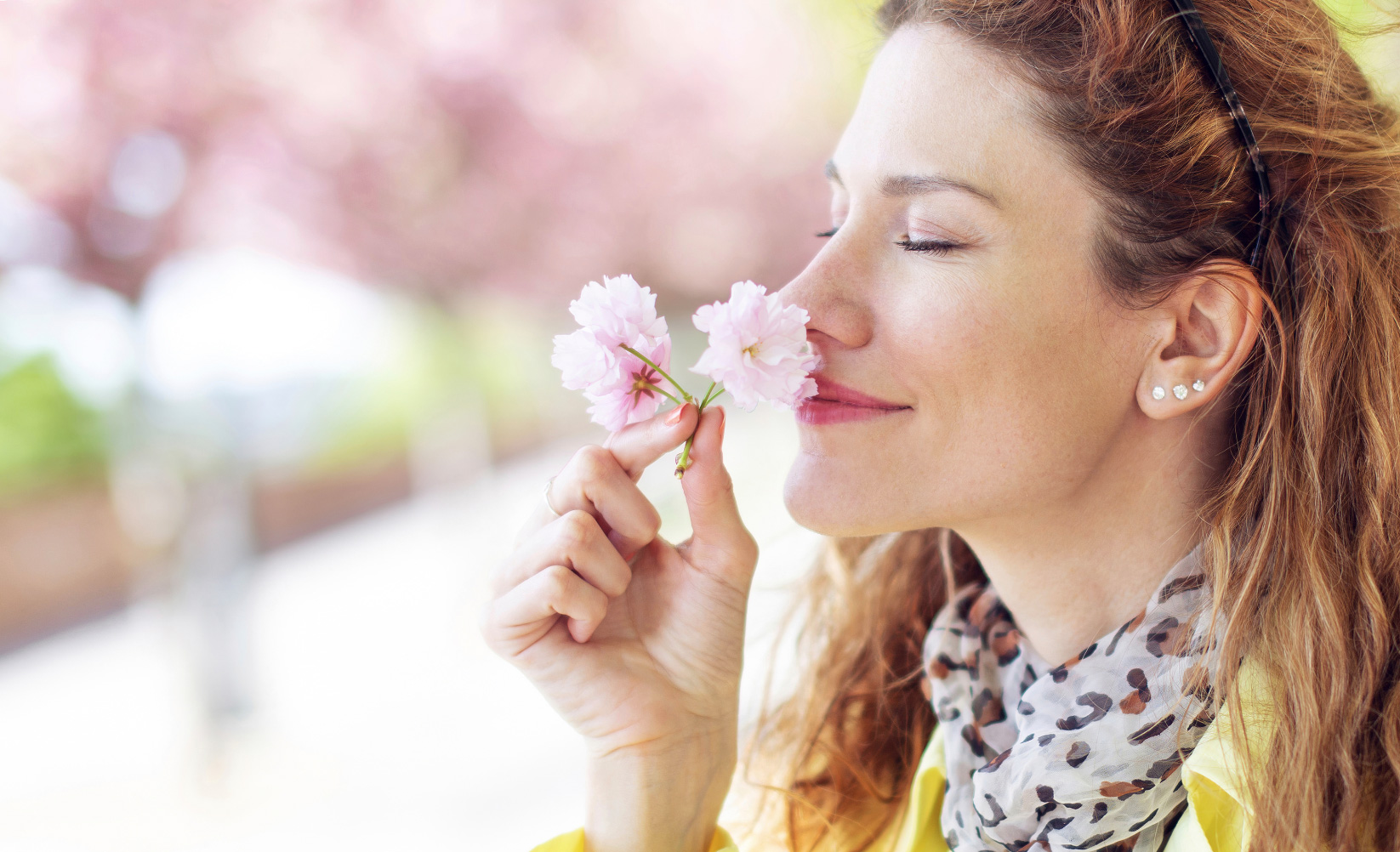
Natural Perfumery reconnects us with the authentic origins of fragrance, when perfumes were crafted exclusively from flowers, plants, and natural materials (1, 9). These perfumes are derived from nature and express its richness, harmony, and restorative qualities. Modern consumers are increasingly drawn to fragrances that promote personal well-being — perfumes they wear for themselves, not merely to be noticed by others (10).
Large luxury brands, which rely on celebrity endorsements and glossy marketing campaigns, struggle to offer this authenticity.
Independent perfumers, on the other hand, have thrived. Many choose small-batch production, ensuring quality while personally engaging with clients (11). The Natural Perfumery Teacher’s Academy has trained hundreds of perfumers worldwide since 2020, many of whom changed careers during the pandemic to pursue natural perfumery (11).
This intimacy between perfumer and consumer builds trust, loyalty, and long-term relationships—qualities increasingly valued in the luxury and wellness markets (8, 10).
The Benefits of Natural Perfumery
The benefits of natural perfumery lie in its authenticity, integrity, and transparency. Unlike most famous brands, which often remain distant and secretive about their formulas, natural perfumers are approachable and open. This personal connection fosters trust and allows customers to appreciate not only the fragrance itself but also the philosophy and craftsmanship behind it (11).Natural Perfumers have also learned to respect the olfactory culture of each country, avoiding the imposition of global trends in scent notes or ingredients, and instead embracing local preferences — for example, understanding that while Chinese audiences often prefer delicate and subtle fragrances, the Middle Eastern world cherishes rich, powerful scents such as oud and buddha oils (2, 12, 13).
Thanks to Natural Perfumery, we are giving work back to many people around the world. In the past, fields were alive with growers, harvesters, and distillers who cultivated precious flowers and plants, but with the rise of synthetic perfumes, many of these traditions disappeared. Today, Natural Perfumery brings a beautiful renewal — restoring ancestral know-how, supporting rural communities, and even helping to protect biodiversity by encouraging the return of aromatic crops that facilitate the vital work of bees (14, 9, 15).
The Global Landscape of Natural Perfumery
While Europe continues to impose restrictions on natural raw materials (6), other regions are embracing them (18):
- United States: The largest natural perfumery market, home to brands such as Cade Black, Scents of the Texas Hills, Pomare’s Stolen Perfume, La Fleur by Livvy, and Therapeutate Parfums or Isis Essentials, a Canadian brand. The U.S. also has extensive lavender cultivation, supporting both perfumery and aromatherapy (16).
- India and Southeast Asia: The world’s primary growers of raw materials, with perfumery interwoven into daily life through Ayurveda, yoga, and traditional healing. India remains a “land of perfume”, home to the brand XILA (9).
- Australia: A land where Wild Oud Oils captures the essence of the Australian outback, a land where precious woods like white and blue cypress, sandalwood or buddha wood are participating to the future of perfumery as they are intense and powerful scents. In Australia, AES Création Naturel and Nihru are leading the natural perfumery market.
- China: After decades of dominance by Western pharmaceuticals, China is re-integrating its ancestral medicine traditions, shifting consumer demand toward natural and healing products rather than luxury branding (12). The brands Phyt’s and Smellosophy were amongst the first to understand this change.
- Taiwan: An avant-garde leader in applying natural perfumes across industries—from offices and hospitals to cafés and even cuisine.
Taiwan is the first country certifying Natural Scented Spaces (17).
Kristin Chen general manager of Tanshamei International is the leading natural perfumer in the country.
A Return to Nature
The direction is clear: perfumery is returning to its roots. Consumers are no longer satisfied with synthetic illusions; they seek genuine connection—through nature, through health, and through the artistry of perfumers who work with transparency, authenticity and integrity (10, 13).The future of perfumery may not be about constant innovation but about honouring the wisdom of the past. As the world reclaims the natural, perfume once again becomes what it always was: a source of healing, beauty, and profound human connection (1, 3).
- Manniche, L. (1999). Sacred Luxuries: Fragrance, Aromatherapy, and Cosmetics in Ancient Egypt. Cornell University Press. https://archive.org/details/sacredluxuriesfr0000mann
- Rouhi, A. (2018). Perfume and Power in the Middle East. Journal of Cultural History. (Access via academic databases ProQuest.)
- Classen, C., Howes, D., & Synnott, A. (1994). Aroma: The Cultural History of Smell. Routledge. https://www.taylorfrancis.com/books/mono/10.4324/9780203428887/aroma-constance-classen-david-howes-anthony-synnott
- Parma, V., et al. (2020). More than smell—COVID-19 is associated with severe impairment of smell, taste, and chemesthesis. Chemical Senses 45(7), 609–622. https://pmc.ncbi.nlm.nih.gov/articles/PMC7337664/
- Croy, I., et al. (2014). Olfactory disorders and quality of life—an updated review. Chemical Senses, 39(3), 185–194. https://academic.oup.com/chemse/article/39/3/185/502849
- European Commission. (2021). Cosmetics Regulation (EC) No 1223/2009 on allergen restrictions. https://eur-lex.europa.eu/legal-content/EN/ALL/?uri=celex%3A32009R1223
- Nielsen IQ. (2022). Transparency and Consumer Trust Report. https://nielseniq.com/global/en/insights/analysis/2022/the-2022-state-of-consumers/
- Deloitte Insights. (2023). Global Consumer Trust and Transparency Report. https://www.deloitte.com/ce/en/related-content/bg-transparency-report.html
- Dhavan, P. (2019). The Cultural History of Fragrance in India. Journal of South Asian Studies. (IPF Library)
- IFRA (International Fragrance Association). (2024). Consumer Trends in Fragrance and Wellness. https://ifrafragrance.org/publications/reports/annual-report-2024
- Natural Perfumery Teacher’s Academy. (2020–2024). Internal records.
- Xu, J. (2021). Traditional Chinese Medicine and the Return to Natural Products. Asian Journal of Integrative Medicine. https://pmc.ncbi.nlm.nih.gov/articles/PMC6273146/
- Al-Taher, S. (2020). Cultural Preferences in Global Perfumery. Fragrance & Society Journal.
- Penn State Extension. Lavender Production Statistics. https://extension.psu.edu/agritourism-diversification-lavender-production
- FAO (Food and Agriculture Organization). (2023). Pollinators and Biodiversity: Aromatic Plants and Bee Habitats. https://www.fao.org/newsroom/detail/world-bee-day-2023–bees-and-pollinators-need-responsible-agriculture-that-supports-their-role-in-nature/en
- Stoddart, D. M. (1990). The Scented Ape: The Biology and Culture of Human Odour. Cambridge University Press. https://www.cambridge.org/tw/universitypress/subjects/life-sciences/biological-anthropology-and-primatology/scented-ape-biology-and-culture-human-odour?format=PB&isbn=9780521395618
- IPF Taiwan. (2025). Internal report.
- Creezy Courtoy (2025) Natural Perfumery, The Return of Flowers in Perfumes.

Influences and Insights into Future Claims Technology and Testing

Gale & Cosm: Innovation in Made-In-Italy raw materials

Improving skin longevity by targeting biological aging causes

Longevity’s Groundbreaking AI Revolution: Reinventing Ingredient...

Clean Beauty: From Consumer Perception to Scientific Validation

Active ingredients in beauty – top trends

Redefining How We Measure Skin Longevity

PCS360: setting the Global Standard for Excellence in Cosmetic Ingredi...