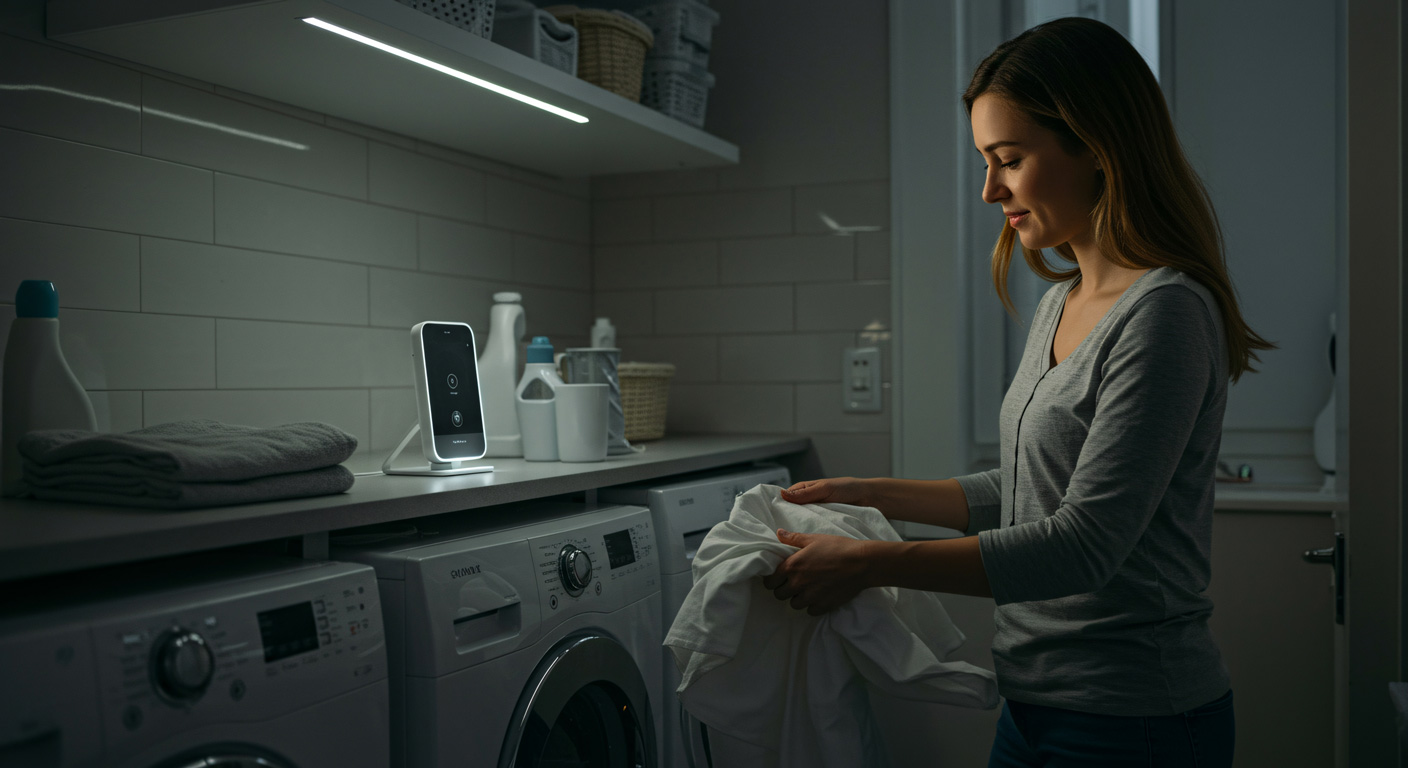
Cleaning solutions that utilise AI, robotics and automation. Personalised, sensor- driven cleaning requires highly efficient, concentrated products, and connected appliances and robotic cleaners are changing how consumers engage with brands in this industry.
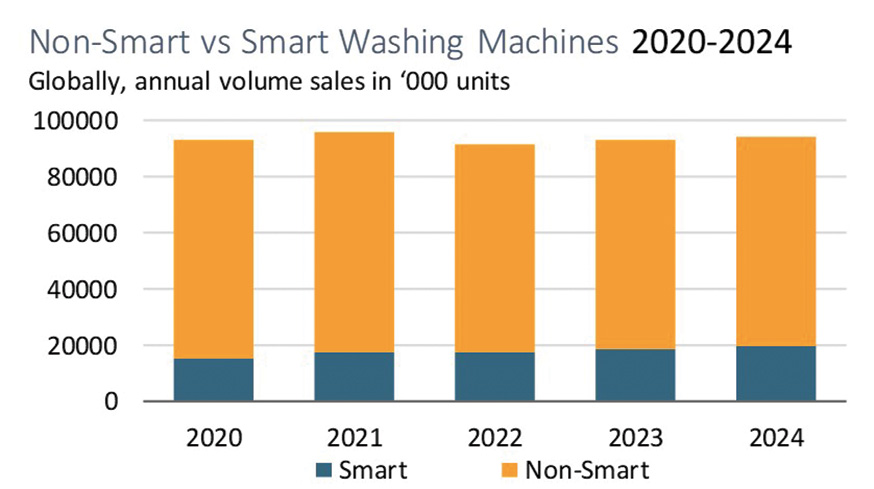
Beyond laundry, the robotic floor cleaning market is experiencing significant growth and is currently still predominantly attracting younger consumers. Making this technology more appealing to the over-65s, who will account for 9% of the global population by 2030 (a considerably higher proportion in most developed countries), represents a significant opportunity. Driven by innovation in smart navigation and AI, homes will evolve to accommodate robotic companions that integrate seamlessly into daily life (1).
Legislation in regions such as the EU is also playing a role by mandating energy-efficient appliance features, including eco-cycles that often operate at lower temperatures. Consumers are increasingly recognising that cold and quick washes can save energy — and therefore money — while being gentler on clothes and helping them last longer.
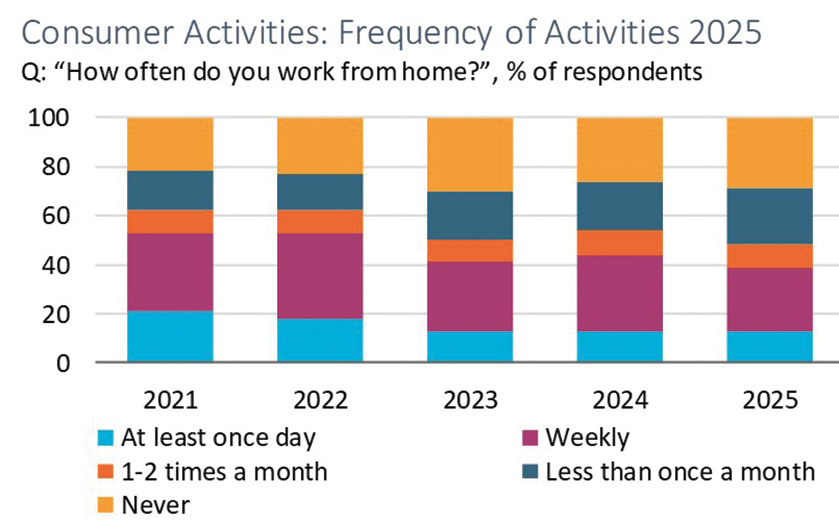
The preference for short cycles has been heightened by the post-pandemic return to the office, which has reduced the time available for chores. This shift in lifestyles has led to a preference for shorter and often colder wash cycles, as consumers again prioritise immediacy. However, this growing preference for quick/cold washing has exacerbated hygiene concerns, particularly with regard to odours. This is due to a combination of factors, including rapid, low-temperature washes, the increased use of liquid detergents, and the popularity of polyester fabrics, which often result in dissatisfaction with laundry performance.
The reduction in temperature and time means that the chemical and mechanical components of the laundry process must do most of the work. Today, many consumers use short cycles for purposes other than refreshing lightly soiled garments, highlighting the need for further consumer education.
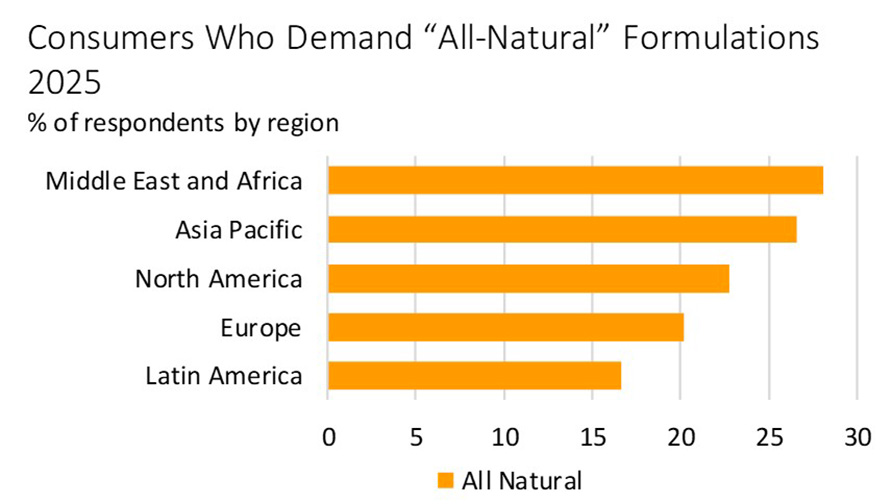
There is a growing preference for natural ingredients, and increased interest in hormone health and its links to lifestyle and wellbeing. This creates significant opportunities for brands to innovate and market home care solutions that actively promote health and wellbeing, either by excluding harmful ingredients or by introducing beneficial ones, such as air fresheners with calming aromatherapy benefits or cleaning products with soothing scents.
Neglecting this evolving consumer priority could cause the industry to lose relevance and market share to competitors who successfully integrate wellbeing into their home care offerings. This signifies that acknowledging and catering to the home’s role as a sanctuary is increasingly crucial for sustained growth.
- https://www.euromonitor.com/store/explore-reports/consumer-appliances
- https://www.euromonitor.com/store/explore-reports/home-care

Stain Removal Predictions via AI Driven Models

From Stains to Sustainability: a new era for fabric care?
The Rise of Upcycled Ingredients in Cosmetics: A Sustainable Innovatio...

High Active Alpha Olefin Sulfonate

More than anti-ageing: the retinol-alternative Chios mastic as a compr...

Bakuchiol: A Comprehensive Review of Its Anti-Aging, Antioxidant, and...
A word with Marine Pasquier – Seppic